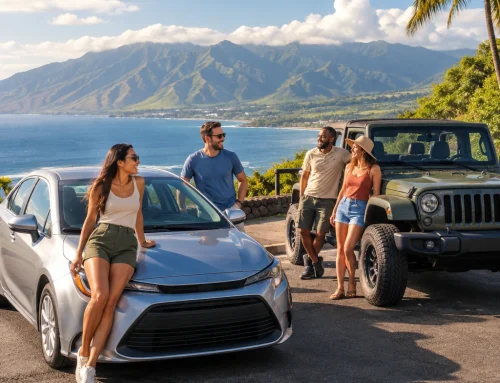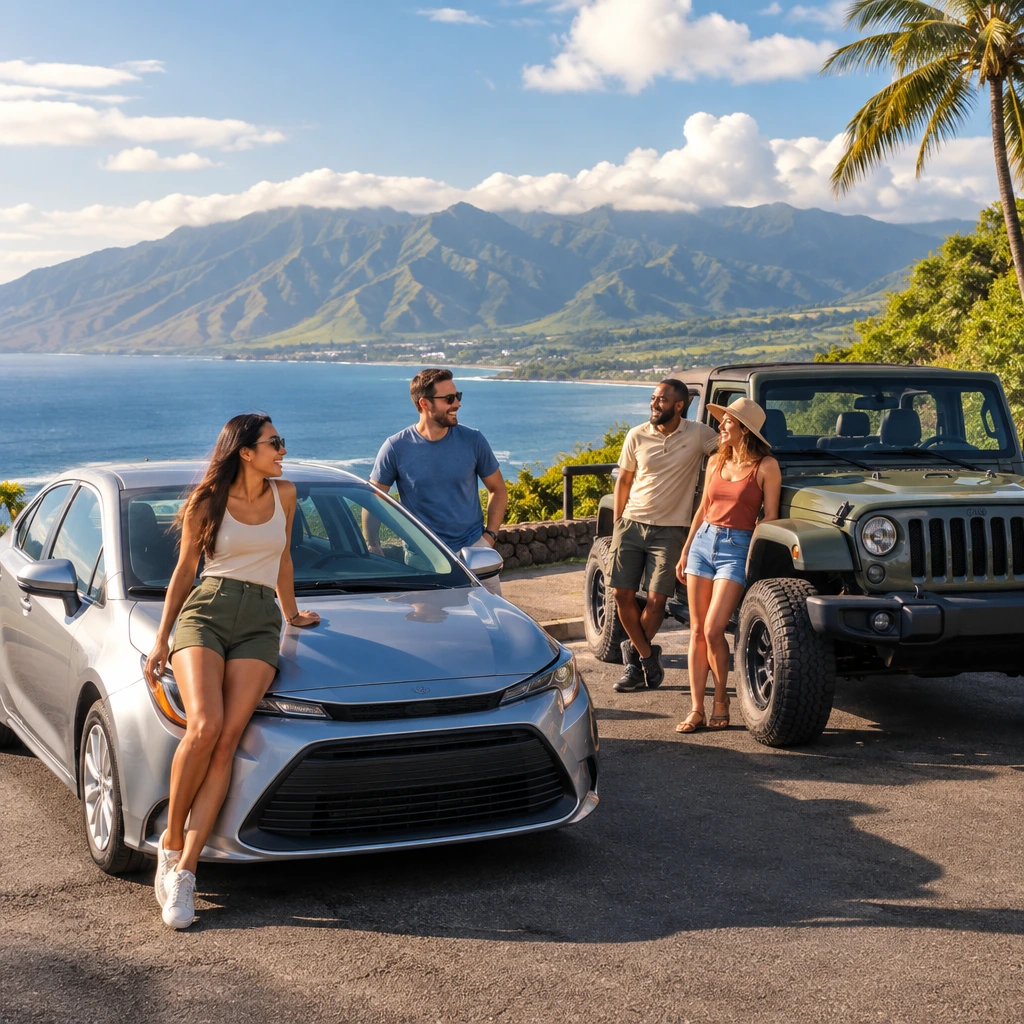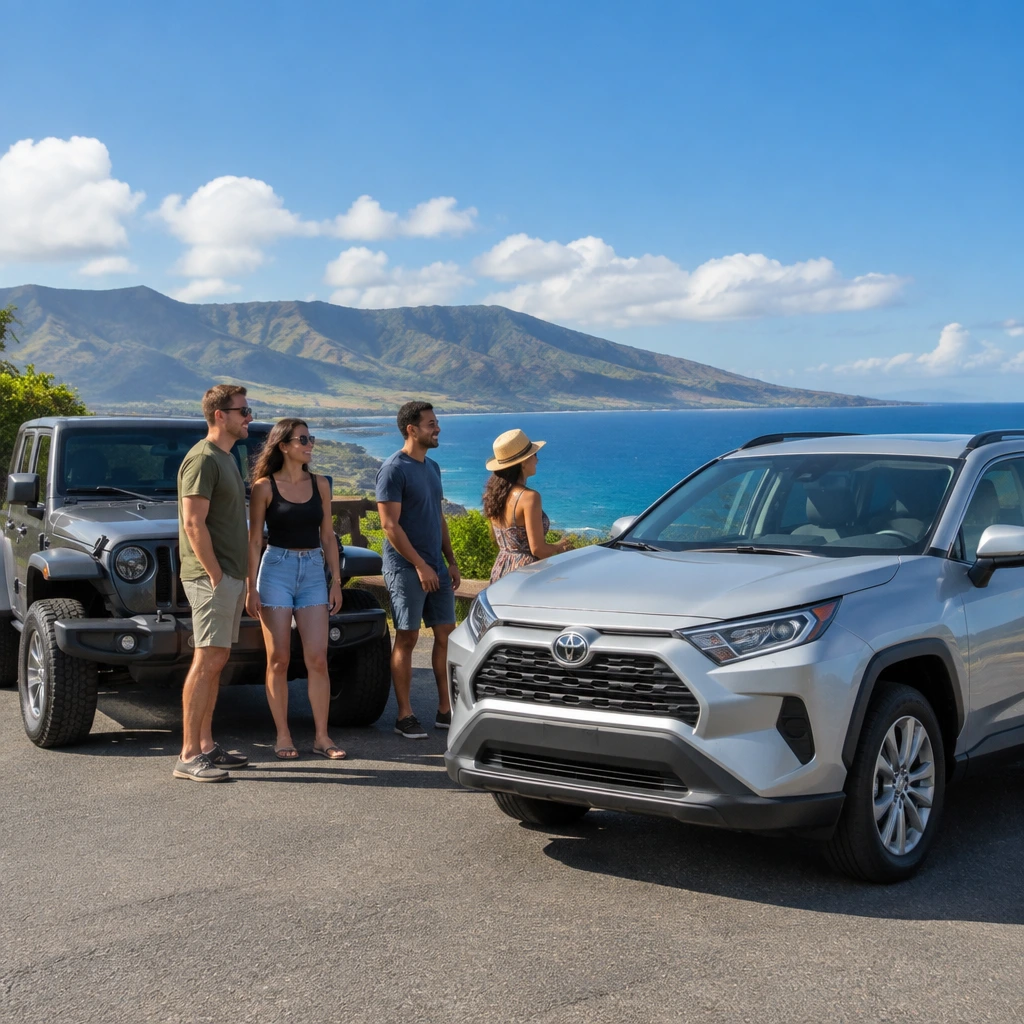
Jeep Wranglers in Maui just dropped 32% in price — from $409 to $277 per week. That sounds like an incredible deal, right? Not so fast. While the sticker price may look tempting, savvy travelers are increasingly choosing fuel-efficient Toyotas over discounted Jeeps, and the math explains why. In this article, we’ll break down the real cost of renting a Jeep in Maui, compare it against the total cost of renting a Toyota Corolla or Camry, and show you why fuel-efficient Toyotas deliver better value, comfort, and peace of mind for your island vacation. By the end, you’ll have a clear picture of what truly matters when choosing a rental car in Maui — and how to keep more money in your pocket for the experiences that count.
Why Fuel-Efficient Toyotas Beat the Discounted Jeep Deal
Recent Maui car rental pricing data shows Jeep Wranglers dropped to just $277 per week from $409 the previous week — a 32% plunge that caught many travelers’ attention. This dramatic shift deserves explanation. The rental market doesn’t typically see such sharp swings without reason, and understanding what’s behind the drop is the first step toward making a smarter choice.
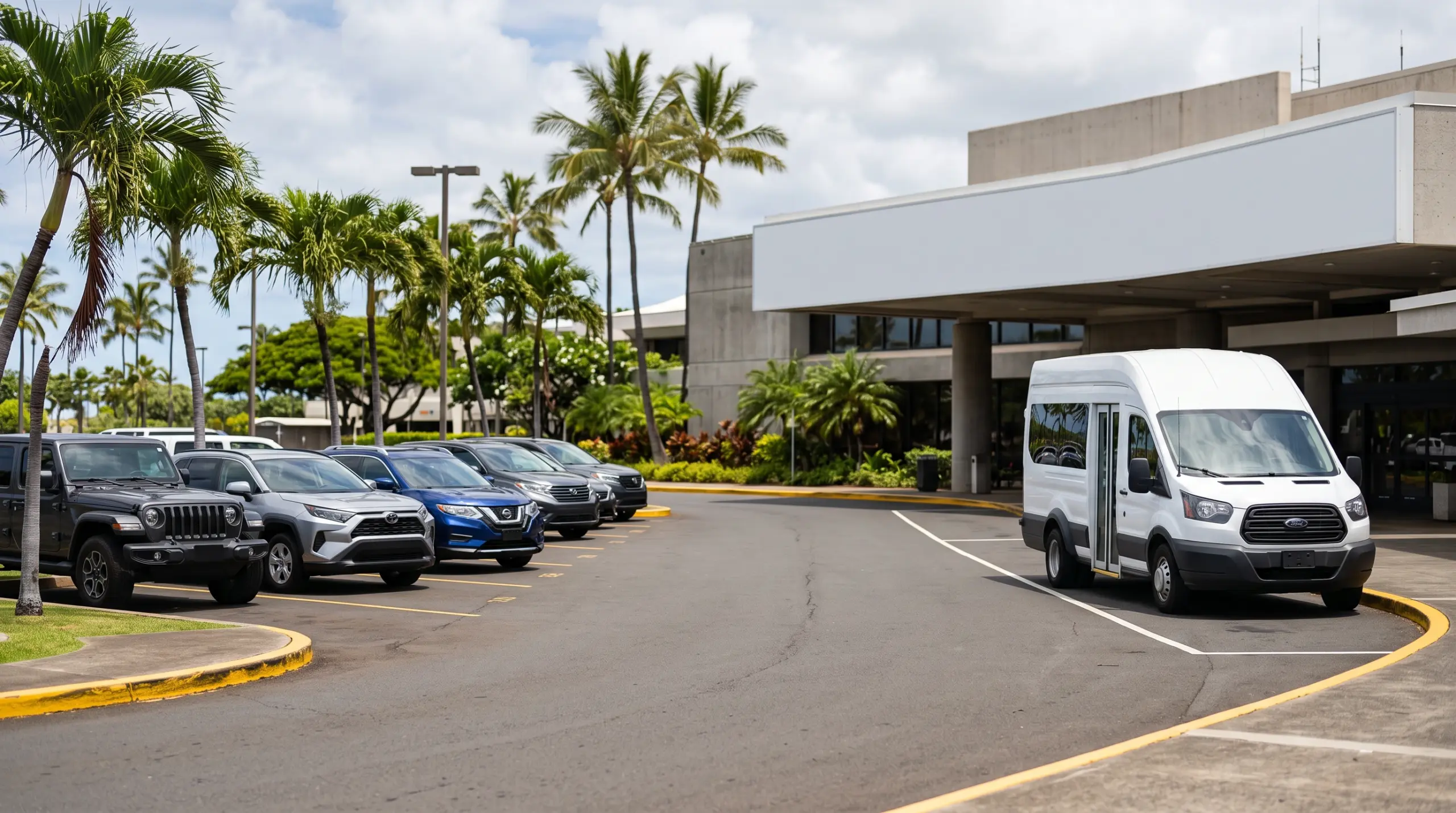
Several factors are driving this price collapse. First, we’re in Maui’s low season. September traditionally brings fewer tourists, and rental companies adjust inventory and pricing accordingly. Second, Hurricane Lowell was approaching the islands, which typically softens demand and pushes prices down even further. Third, fleet management plays a role — rental companies rotate vehicles on and off the island based on maintenance schedules and replacement cycles. A Jeep that’s been driven hard all summer may be priced to move simply because the company wants it off the lot.
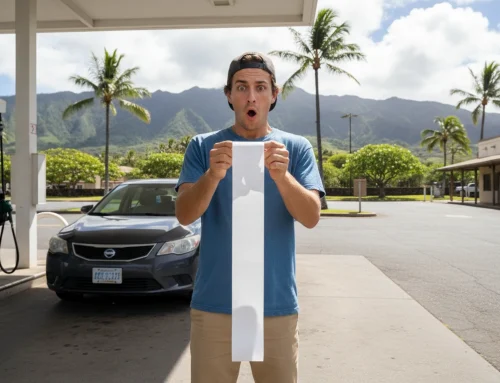
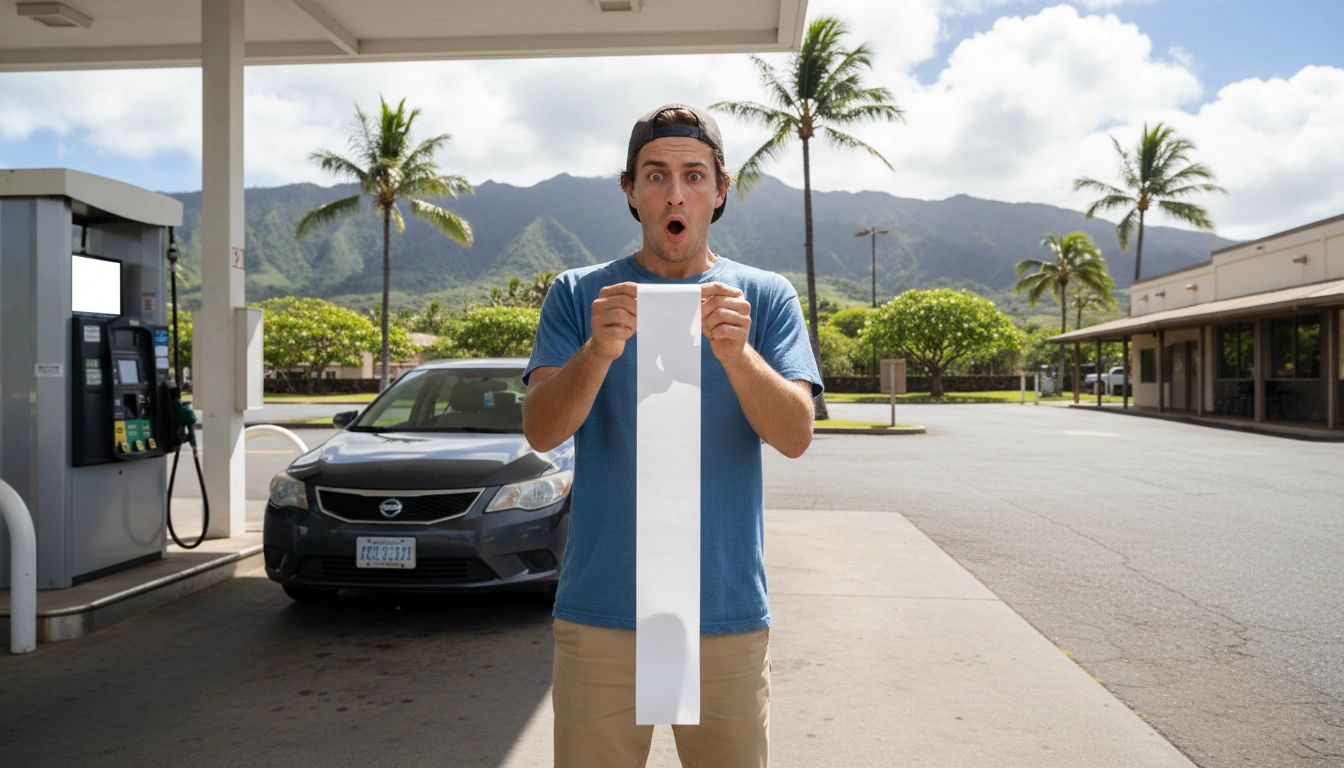
But here’s the key insight: a discounted rental rate is not the same as a good deal. When you rent a soft-top Jeep, you’re not just paying the weekly rate. Fuel economy is dramatically worse than standard vehicles. Jeeps typically deliver poor mileage, especially on highway drives — and Maui’s gas prices in 2026 are steep. You’ll be visiting the pump frequently