Learning how to drive the Road to Hana is less about rushing toward one destination and more about planning a safe, respectful Maui road trip. The legendary Hāna Highway follows Maui’s northeastern coast through rainforest, waterfalls, sea cliffs, small communities, roadside food stands, and historic landscapes. It is also a demanding drive, with 620 curves and 59 bridges, according to GoHawaii. ([gohawaii.com](https://www.gohawaii.com/islands/maui/regions/east-maui/Hana?utm_source=openai))
For first-time visitors, the biggest mistakes are usually leaving too late, underestimating the drive time, stopping illegally, skipping weather and road-condition checks, or arriving at Waiʻānapanapa State Park without the required reservation. This complete Road to Hana driving guide explains what to expect, which route to take, how to choose a practical rental car, where to stop, and how to enjoy the journey without turning it into a stressful race.
How to Drive the Road to Hana: What First-Timers Should Know
The Road to Hana begins near Kahului and follows Highway 36 before continuing along Highway 360, commonly called the Hāna Highway. Hāna is only about 52 miles from Kahului, but the drive can take approximately two to four hours one way because of narrow bridges, hairpin turns, frequent viewpoints, and traffic. ([gohawaii.com](https://www.gohawaii.com/islands/maui/regions/east-maui/Hana?utm_source=openai))
That estimate does not include time for swimming, hiking, eating, taking photographs, waiting at one-lane bridges, or exploring roadside attractions. A complete round trip from West or South Maui can easily become a 10- to 12-hour day. For that reason, start early and decide in advance whether you want to reach Hāna, continue to the Kīpahulu area of Haleakalā National Park, or simply enjoy a shorter section of the highway.
The drive is about the journey
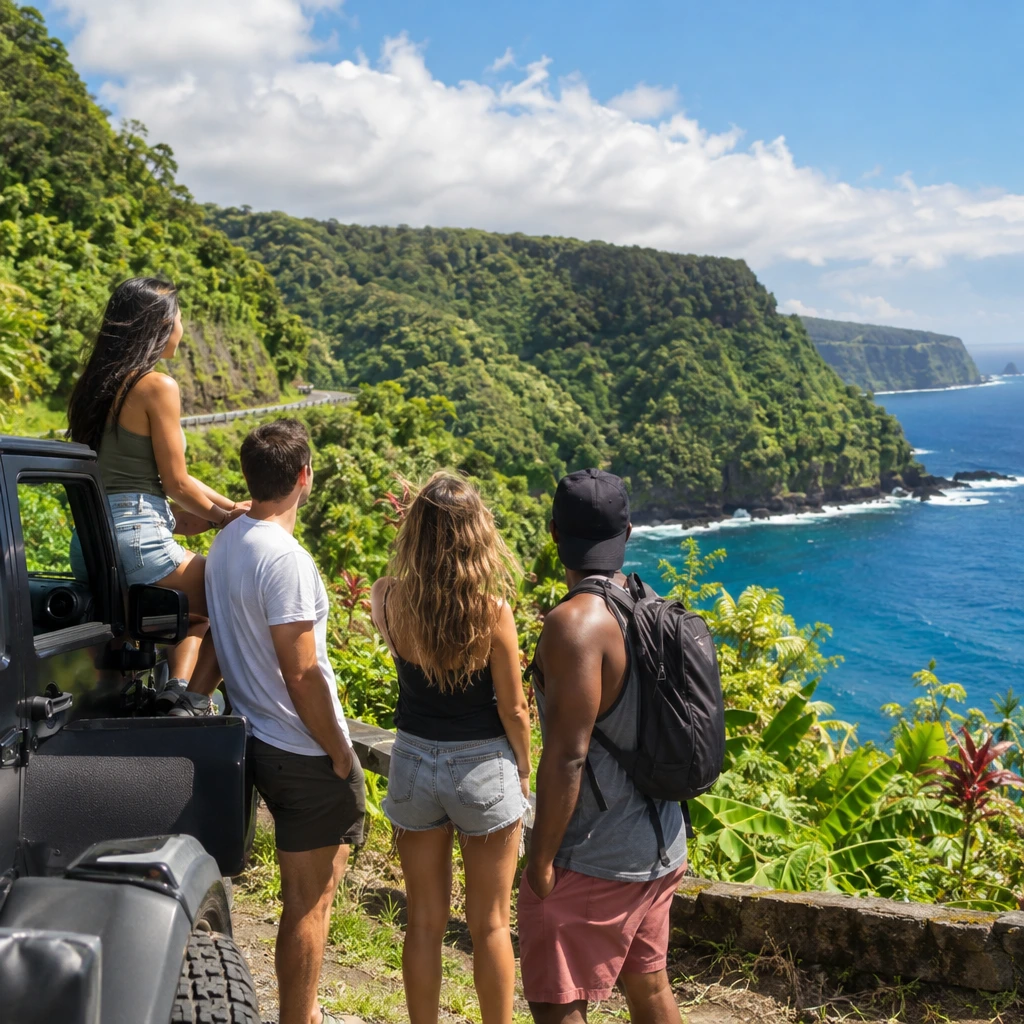
Many travelers focus on reaching the town of Hāna, but the scenery and experiences begin long before you arrive. You may encounter bamboo forests, tropical gardens, ocean overlooks, waterfalls, black-sand coastline, banana bread stands, and small local businesses along the way. You will have a better day if you select a few priority stops instead of trying to visit every attraction listed online.
Use official pullouts and designated parking areas whenever possible. Hawaiʻi’s official visitor guidance says vehicles protruding onto the highway may be towed and advises visitors to avoid private property or locations without welcoming signage. ([gohawaii.com](https://www.gohawaii.com/islands/maui/regions/east-maui/Hana?utm_source=openai))
Expect narrow roads and one-lane bridges
Drive slowly, stay alert, and be prepared to yield at one-lane bridges according to posted signs and local traffic patterns. If several vehicles are behind you, use a safe pullout to let them pass. Do not stop in the middle of the road for photographs, and never assume that a dramatic viewpoint is a legal parking area.
Although the highway is paved in most commonly visited sections, it is not a freeway or a typical mainland road trip. Curves may be sharp, rain can reduce visibility, and wet pavement can make stopping distances longer. Keep both hands available for steering, limit distractions, and let your passenger handle navigation and photography.
Plan Your Road to Hana Route and Timing
The best Road to Hana tips begin before you leave your accommodation. Download maps for offline use, check the weather, fill the fuel tank, and confirm which parks or attractions require reservations. Cell service can be inconsistent, and many roadside stops are small or cash-oriented, so bring drinking water, snacks, and a small amount of cash.
A practical one-day itinerary
There is no single perfect itinerary, but this general structure works well for first-timers:
- Early morning: Leave South or West Maui early enough to reach the highway before the busiest part of the day.
- Morning: Choose a few stops near Paʻia, Twin Falls, Keʻanae, or another section that matches your interests.
- Midday: Visit Hāna or Waiʻānapanapa State Park if you have a confirmed reservation.
- Afternoon: Continue only if you have enough daylight and energy for the return drive.
- Late afternoon or evening: Begin heading back before darkness, especially if you are unfamiliar with the road.
Trying to combine every waterfall, beach, hike, and food stand into a single day usually creates a rushed experience. If you want to hike the Pīpīwai Trail in the Kīpahulu area, allow extra time and check current conditions at Haleakalā National Park before setting out. The Kīpahulu district is geographically separate from the summit area, so do not assume you can comfortably combine a Haleakalā sunrise with the Road to Hana on the same day.
Check conditions before leaving
Road conditions and park operations can change after heavy rain, flooding, erosion, construction, or storms. The Hawaiʻi Department of Transportation publishes Maui roadwork and lane-closure information, while its website directs motorists to GoAkamai for current highway conditions. ([hidot.hawaii.gov](https://hidot.hawaii.gov/hdot-lane-closure-map/?utm_source=openai))
Also check official park notices and weather forecasts on the morning of your drive. Heavy rain can create slippery roads, falling debris, poor visibility, and flash-flood hazards. GoHawaii specifically advises visitors not to enter streams during heavy rain or flash-flood conditions. ([gohawaii.com](https://www.gohawaii.com/islands/maui/regions/east-maui/Hana?utm_source=openai))
Waiʻānapanapa State Park Reservations and Other Important Rules
Waiʻānapanapa State Park, known for its striking black-sand beach and volcanic coastline, is one of the most popular stops on the Road to Hana. However, nonresident visitors need both an entrance reservation and a parking reservation. The Hawaiʻi Department of Land and Natural Resources says this requirement has been in place since April 19, 2021, with official reservations available through its state parks reservation partner. ([dlnr.hawaii.gov](https://dlnr.hawaii.gov/dsp/parks/maui/waianapanapa-state-park/waianapanapa-information-frequently-asked-questions/?utm_source=openai))
Do not simply drive down the access road and hope to enter. Hawaiʻi Tourism Authority guidance warns that travelers without reservations may be required to turn around, and the access road is narrow and residential. ([hawaiitourismauthority.org](https://www.hawaiitourismauthority.org/media/7546/tips-to-mitigate-road-to-hana_updated-07162021.pdf?utm_source=openai))
Reserve before your driving day
Confirm the reservation window, arrival time, vehicle details, entrance requirements, and cancellation policy before your trip. Save the confirmation on your phone and, if possible, keep a screenshot available in case mobile service is weak. Build your day around the reservation rather than treating it as an optional stop.
If you cannot secure a reservation, choose another legal and respectful stop instead of parking along the access road. The Road to Hana offers many memorable experiences beyond one park, and avoiding congestion helps protect local residents and the surrounding environment.
Respect the land and local communities
Road to Hana etiquette is part of safe driving. Stay on marked paths, use public restrooms, pack out trash, and avoid entering private land. Do not pick plants, trespass through residential areas, or block driveways. Support legitimate local vendors when you stop for fruit, banana bread, coffee, or prepared food.
Remember that people live and work along this route. Drive with patience, allow local traffic to pass, and avoid treating residential areas as scenic parking lots. A slower, more considerate approach makes the experience better for everyone.
Choosing the Best Car for the Road to Hana
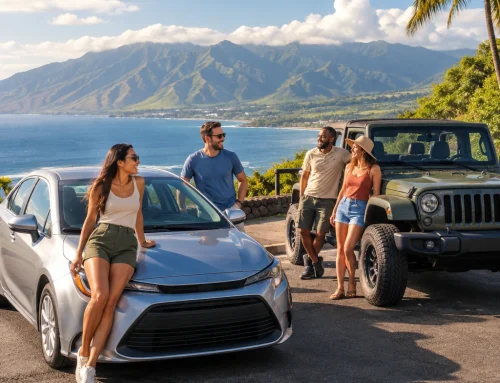
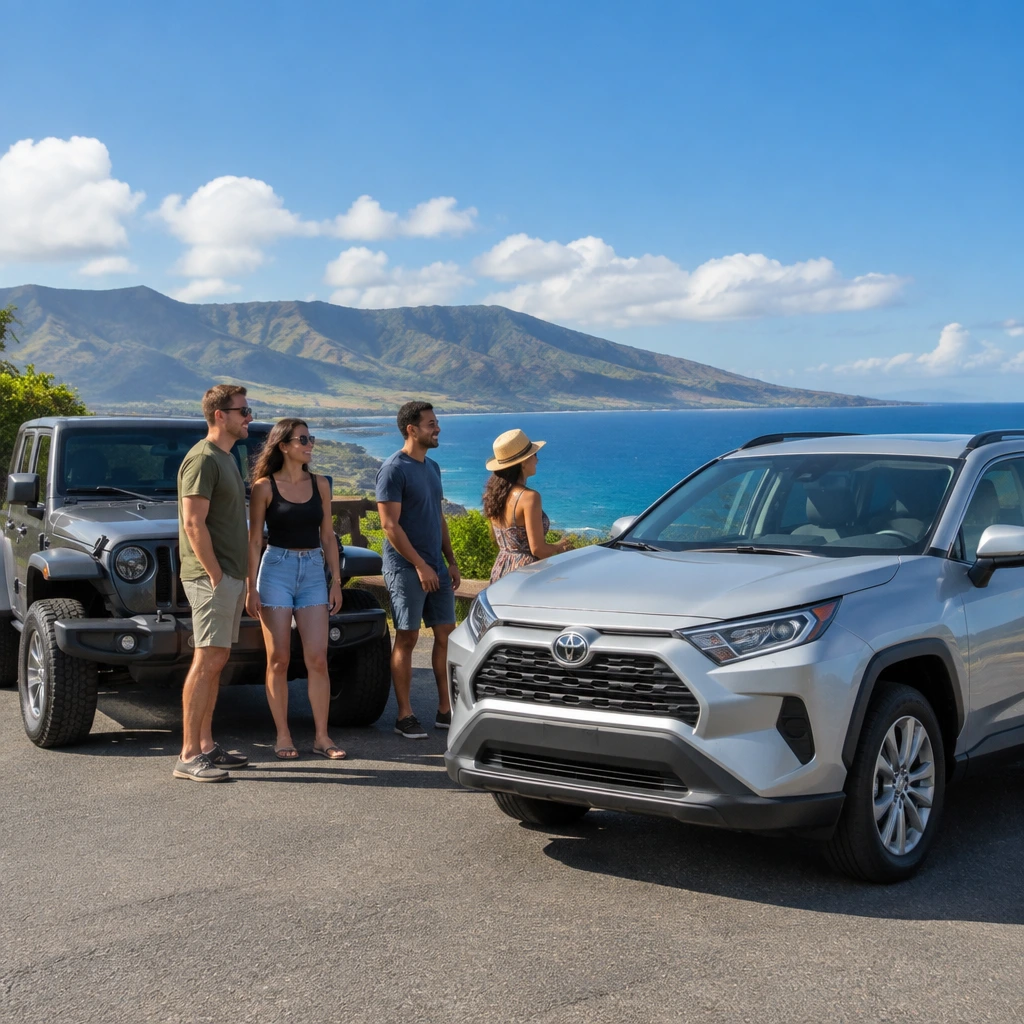
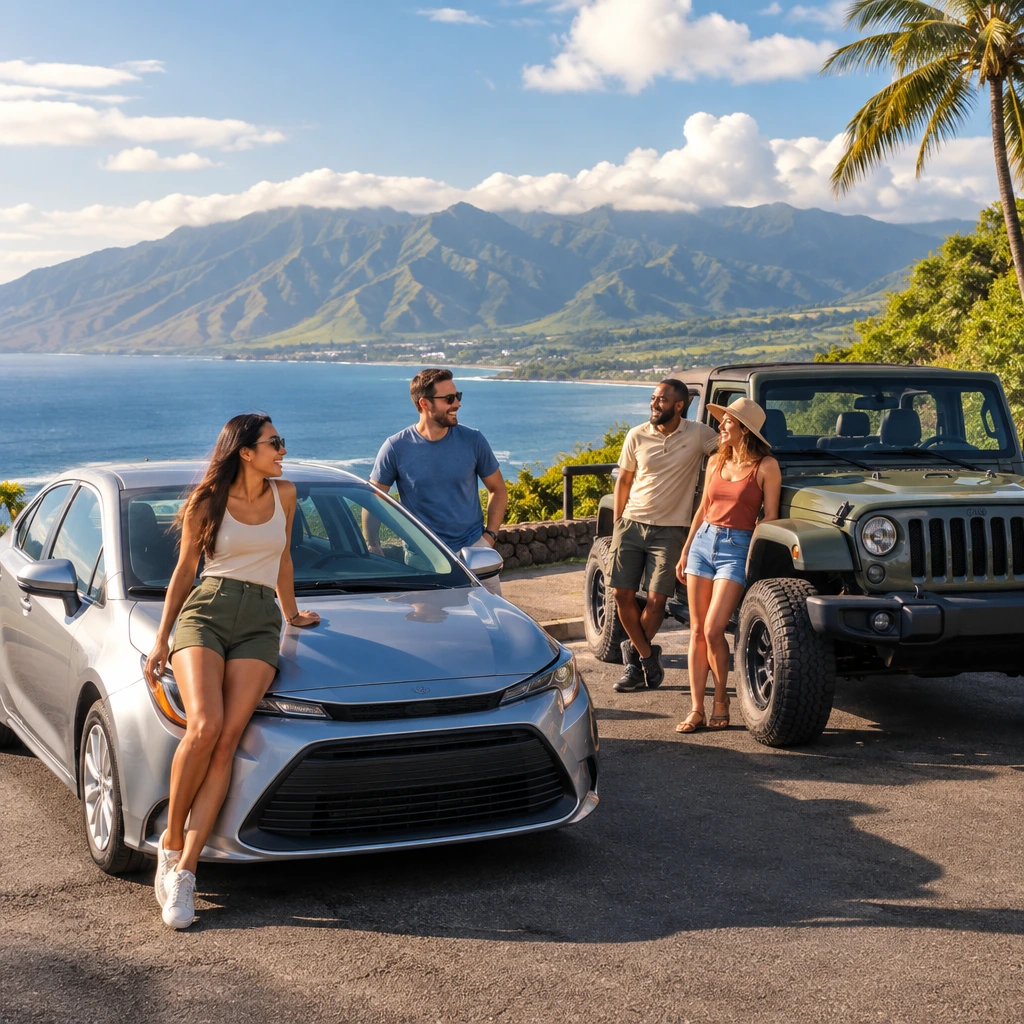
The best car for the Road to Hana is not necessarily the largest, most rugged-looking, or most expensive vehicle. For most visitors, a reliable economy or mid-size rental is more practical. A Toyota Corolla or Toyota Camry provides good fuel economy and easy handling, while a Honda CR-V or Toyota RAV4 offers additional cargo space and a higher seating position.
These vehicles are especially useful for a Maui road trip because they are easier to park, generally more fuel-efficient than oversized vehicles, and less expensive to rent than specialty models. Lower rental rates and better fuel economy can make a meaningful difference when you are already budgeting for accommodations, meals, activities, and gas.
You do not need a Jeep, luxury vehicle, or convertible to enjoy the highway. An open-top vehicle may sound appealing, but tropical rain, strong sun, road debris, and limited security can make it less convenient. A practical car lets you focus on the scenery rather than paying a novelty premium.
What to look for in a rental car
- Good fuel economy: Fuel up before starting the drive, especially if your itinerary continues beyond Hāna.
- Comfortable seating: You may spend most of the day in the vehicle.
- Useful cargo space: Bring water, towels, food, light jackets, and hiking shoes without overloading the cabin.
- Easy maneuverability: A compact or mid-size car is more comfortable on narrow roads and in small parking areas.
- Clean, dependable transportation: Reliability matters more than appearance on a long island drive.
If you are looking for a cheap car rental in Maui, compare the complete rental cost rather than only the advertised daily rate. Ask about taxes, fees, mileage policies, fuel arrangements, and the rental company’s rules for specific roads. Maui Cruisers focuses on affordable, long-term car rentals with practical vehicles such as the Corolla, Camry, CR-V, and RAV4.
Road to Hana Driving Tips for a Safer, Better Day
Even experienced drivers should treat the Road to Hana with patience. The route rewards travelers who slow down and plan around conditions rather than trying to maintain a schedule designed for a flat, straight highway.
- Leave early. An early start gives you more daylight, more parking options, and flexibility when a stop takes longer than expected.
- Fuel up first. Do not depend on finding a convenient gas station along the route.
- Bring food and water. Local stands are part of the experience, but hours and availability can vary.
- Wear practical clothing. Pack reef-safe swimming essentials, walking shoes, sun protection, and a light rain layer.
- Watch the weather. Rain can arrive quickly on the windward side of Maui.
- Use legal pullouts only. Never park on a blind curve, bridge, shoulder, or private driveway.
- Secure valuables. Lock the vehicle and keep belongings out of sight when you leave it.
- Start the return trip before dark. Night driving is more difficult when you are unfamiliar with the curves and bridge crossings.
If anyone in your group is prone to motion sickness, prepare before departure. Eat lightly, sit where you can see the road, take breaks, and consider whether a shorter section of the route would be more enjoyable. The trip should be memorable for the rainforest and coastline—not for feeling unwell all day.
Conclusion: Enjoy the Road to Hana at Your Own Pace
Driving the Road to Hana for the first time is an unforgettable Maui experience when you plan realistically. Start early, choose a few meaningful stops, check official road and weather updates, reserve Waiʻānapanapa State Park in advance, and leave enough time for the return journey. Most importantly, drive with aloha: be patient at one-lane bridges, pull over safely for faster traffic, respect private property, and protect the places you came to see.
A practical car can make the day more comfortable and affordable. Whether you choose a Toyota Corolla, Camry, Honda CR-V, or Toyota RAV4, reliable transportation and sensible planning matter more than an attention-grabbing vehicle. For travelers comparing an affordable Maui car rental or a long-term car rental in Maui, Maui Cruisers offers straightforward access to cars designed for everyday island driving and memorable road trips.