Finding a parking space in Maui can be surprisingly simple—or frustratingly expensive—depending on where you go, when you arrive, and whether you understand the local rules. Popular beaches, resort areas, historic towns, and trailheads often have limited spaces, while hotel and commercial parking policies can vary from one property to the next. This Maui parking guide explains how to find free and paid parking, what to know about parking in Lahaina and Kihei, and how to avoid common mistakes that can lead to tickets or towing. You will also learn how hotel parking works, how early to arrive at busy attractions, and why choosing a practical rental car can make island driving easier. With a little planning, you can spend less time circling for a space and more time enjoying Maui’s beaches, scenic roads, restaurants, and outdoor activities.
Maui Parking Guide: What Visitors Should Know Before Driving
Maui is not a large urban destination with abundant parking garages and wide, empty streets. Many popular areas were developed around small communities, resort properties, and narrow coastal roads. As a result, parking availability changes throughout the day. A beach that feels easy to access early in the morning may be crowded by late morning, particularly on weekends and during school holidays.
Before leaving, check the destination’s official website, posted signs, and recent hotel or visitor information. Parking rules can change because of construction, special events, beach closures, restoration work, or community access requirements. Never assume that an empty roadside area is legal simply because another vehicle is parked there.
Basic parking rules for visitors
- Read every sign before leaving your vehicle, including signs farther along the curb or at the entrance.
- Do not block driveways, gates, fire lanes, intersections, sidewalks, or emergency access roads.
- Use designated spaces instead of parking on shoulders, landscaped areas, or private property.
- Keep valuables out of sight and lock the vehicle, even when stopping briefly.
- Take photos of the parking area and note the space number when using a paid lot.
- Follow beach, trailhead, and county rules about hours, permits, payment, and overnight parking.
It is also smart to download or bookmark directions before driving into areas with inconsistent cell service. If you plan to visit multiple stops, build extra time into your itinerary for parking. On Maui, a five-minute walk from a legal space is usually better than risking a ticket, tow, or blocked roadway.
Free Parking in Maui: Where to Look and How to Plan
Free parking in Maui is available, but it is often limited and competitive. Public beach parks, neighborhood shopping areas, roadside viewpoints, and some trail access points may have free spaces. However, “free” does not always mean unlimited. Time restrictions, daytime-only rules, resident permits, and closure hours may still apply.
Maui beach parking
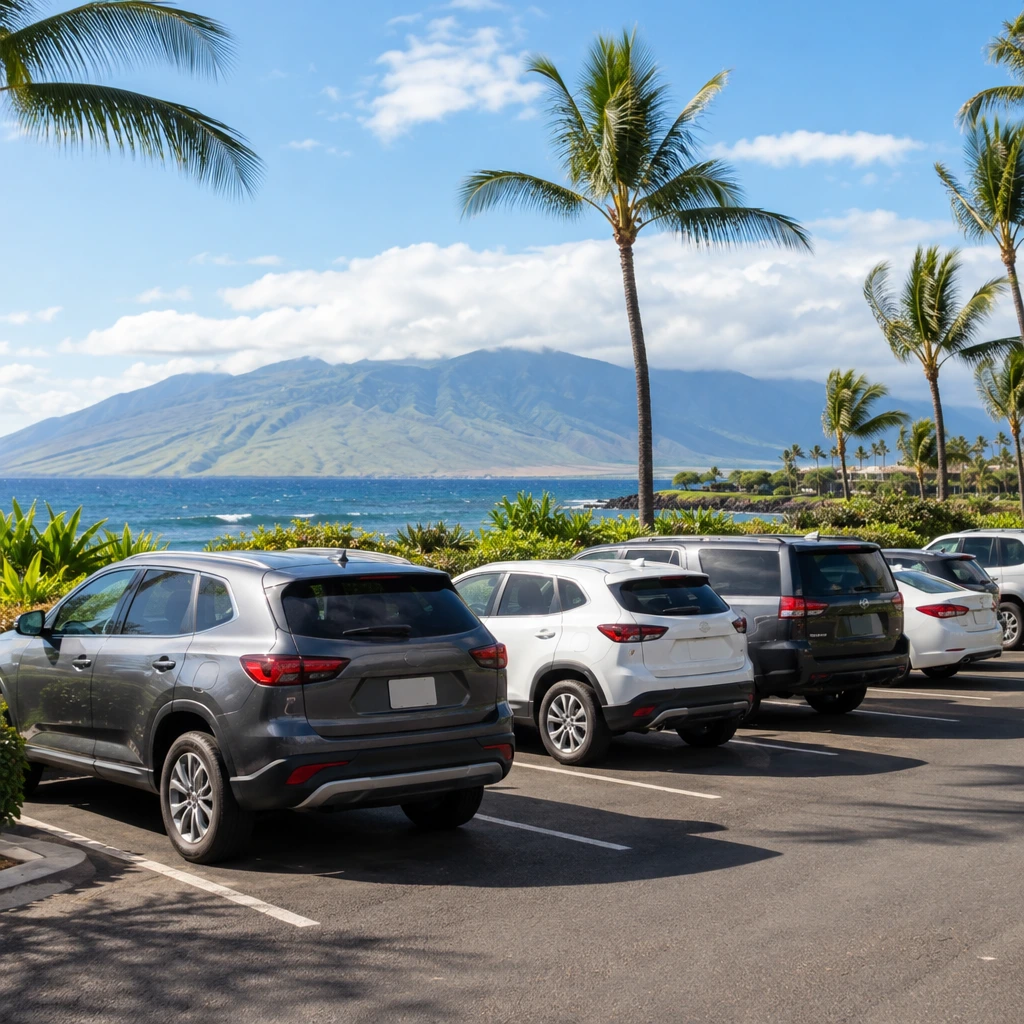
Many beaches have public parking areas, but capacity can be small. Arriving early is one of the most reliable ways to find a space, especially at popular beaches in South Maui, West Maui, and near resort corridors. If a lot is full, continue to a legal alternative rather than parking on a narrow shoulder or blocking another vehicle.
Some beach parks close at night or have gates that are locked after posted hours. Do not leave a rental car overnight unless signs clearly allow it. Also, avoid leaving luggage, cameras, electronics, or shopping bags visible through the windows. A low-cost parking stop can become expensive if property is stolen or the vehicle is damaged.
Free parking near restaurants and shopping
Shopping centers and local commercial districts may offer complimentary parking for customers. These spaces are generally intended for people visiting the businesses on the property, not for leaving a car all day while exploring elsewhere. Look for validation requirements, time limits, towing notices, and designated customer areas.
Public parking can be especially useful when combining errands with a meal. For example, a practical mid-size rental such as a Toyota Corolla or Toyota Camry is easy to maneuver into standard spaces and typically costs less to fuel than a larger, less efficient vehicle. If you need additional room for beach equipment or luggage, a Honda CR-V or Toyota RAV4 offers useful cargo space without a novelty vehicle premium.
When searching for free parking, use common sense and patience. Park only where you are certain the space is legal, and remember that a short walk may be part of the experience. Maui’s busiest locations are easier to enjoy when your schedule is flexible enough to wait for an appropriate space.
Paid Parking in Maui and Parking in Lahaina
Paid parking is common at hotels, commercial properties, airports, and some public or privately operated lots. Rates and payment methods vary, so check the posted information when you arrive. Some lots use pay stations, mobile payment apps, attendants, or license-plate registration. Keep your receipt or payment confirmation until you leave.
Do not rely on old travel posts for current parking details. Maui communities continue to change, and construction or recovery work can affect access. This is particularly important when planning parking in Lahaina.
What to know about Lahaina parking
Lahaina has undergone major changes since the 2023 wildfires. Access, business operations, road closures, and parking availability may vary by area and may change as recovery progresses. Visitors should respect restricted zones, barriers, local instructions, and private property. Do not enter closed areas to look for a parking space or use spaces reserved for residents, workers, emergency services, or recovery operations.
Before visiting, confirm which parts of Lahaina are open to the public and where visitors are permitted to park. Follow official Maui County guidance and signs at the time of your trip. If a business is open, ask whether it has customer parking or validation rather than assuming nearby spaces are available.
Parking payment and safety tips
Paid parking may still be the most affordable choice when it prevents you from wasting fuel while circling busy blocks. Keep a card and some cash available, since payment options are not identical at every location. If using an app, complete registration before walking away from the vehicle and confirm that the correct license plate is entered.
Park in a well-used, clearly designated area and avoid displaying rental documents or bags. A standard economy or mid-size rental can be less conspicuous and easier to place in a regular stall than an oversized vehicle. Whether you are exploring Lahaina, stopping for lunch, or visiting another West Maui destination, legal parking and respectful access should come first.
Parking in Kihei, Wailea, and Resort Areas
Parking in Kihei is often more casual than parking in a large resort complex, but that does not mean every open space is available to visitors. Kihei has public beach parks, residential streets, shopping centers, and condominium properties. Rules can differ from one block to the next, so always read signs and watch for posted restrictions.
At beach parks, arrive earlier if you want the best chance of finding a nearby space. During busy afternoons, you may need to park farther away and walk. Keep driveways, hydrants, access lanes, and entrances clear. Even when no sign is visible, avoid parking in a way that inconveniences residents or blocks a narrow road.
Resort and hotel parking
Wailea and other resort areas commonly use hotel-controlled parking systems. Options may include self-parking, valet parking, guest-only lots, paid visitor parking, or complimentary parking with validation from a restaurant or shop. Policies can change, and a hotel’s parking privileges may not extend to non-registered visitors.
If you are visiting a resort for dinner, a spa appointment, or a beach access point, call ahead and ask:
- Whether non-hotel guests may park on the property
- Whether self-parking or valet service is available
- Whether validation is offered and what purchase is required
- How long validated parking lasts
- Whether overnight parking is allowed
Do not use a hotel lot as an all-day base for exploring the surrounding area unless management explicitly permits it. Unauthorized vehicles may be ticketed or towed. For a day of beach hopping, plan around public parking areas and be willing to relocate the car between destinations rather than leaving it in one restricted lot.
Choosing a rental car for easier parking
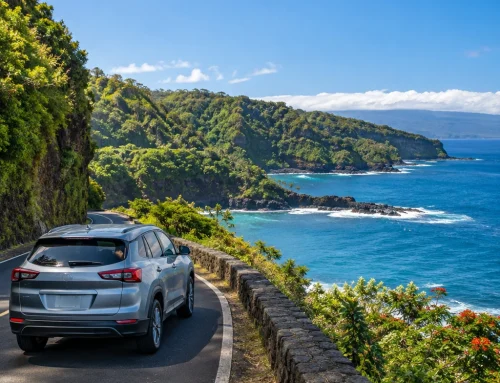
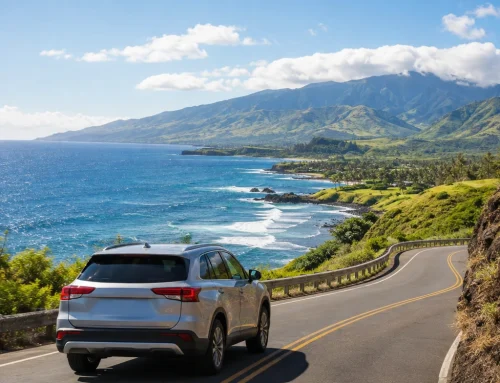
A compact or mid-size vehicle is usually a practical fit for Maui. A Toyota Corolla is easy to park and economical for everyday driving, while a Toyota Camry adds cabin space for couples or small families. The Honda CR-V and Toyota RAV4 provide more cargo room while remaining manageable in standard parking spaces.
Although visitors sometimes consider specialty vehicles for an island trip, open-top or oversized options are not automatically more useful. They can cost more, use more fuel, and attract unnecessary attention when parked. An affordable Maui car rental focused on reliable transportation can leave more of your travel budget available for accommodations, meals, and activities.
Hotel Parking, Airport Parking, and Rental Car Planning
Hotel parking can represent a significant part of a Maui travel budget, particularly at full-service resorts. Ask about the complete daily cost before booking, including self-parking, valet fees, taxes, resort charges, and in-and-out privileges. A lower room rate may not be the best value if parking charges are substantial.
If you are staying in a vacation rental, confirm whether the property includes an assigned stall, permits, or guest parking. Some condominium communities enforce parking rules closely. Ask the host where to park, what identification is required, and whether street parking is permitted. Never assume that a driveway, loading area, or neighboring stall is available.
Parking at Kahului Airport
Kahului Airport, also known as OGG, has designated rental car return areas and airport parking facilities. If you are picking up a rental car, follow airport signs and the instructions provided by the rental company. Allow extra time at departure because return procedures, shuttle transportation, luggage unloading, and traffic can take longer than expected.
For visitors meeting someone at the airport, use designated short-term or public parking areas and follow the airport’s current rules. Avoid waiting on terminal curbs longer than permitted. Airport policies and rates can change, so verify details through official airport information before traveling.
Save money by planning your driving days
Parking costs are easier to control when you group destinations by area. For example, plan South Maui activities together and West Maui activities together instead of crossing the island repeatedly. This reduces fuel use, driving time, and the temptation to pay for several separate parking locations.
Longer stays can also benefit from comparing weekly or extended rental rates. A long-term car rental in Maui may be more convenient than arranging multiple short bookings, particularly when your itinerary includes beaches, grocery runs, scenic drives, and restaurants outside your hotel area. Ask the rental provider about mileage, extension policies, insurance, and total pricing before booking.
How to Avoid Maui Parking Tickets and Towing
The simplest way to avoid parking trouble is to treat every sign as important. Restrictions may apply only during certain hours, on specific days, or to particular types of vehicles. A legal space in the morning may have different rules later in the day. If signs are unclear, choose another location or ask a nearby business or official rather than guessing.
Common parking mistakes include leaving a car in a no-parking zone for a quick photo, blocking a beach access road, parking in an accessible space without a valid permit, and using private hotel or condominium parking without authorization. These actions can inconvenience local residents and may result in citations or towing charges.
Before walking away, check that:
- The vehicle is fully inside the marked space.
- No part of the car blocks a sidewalk, driveway, lane, or access point.
- Payment or validation has been completed when required.
- The area allows parking during your planned return time.
- Doors are locked and personal items are hidden from view.
Finally, remember that Maui is home to people who use these roads and parking areas every day. Parking courteously—without blocking residents, ignoring closures, or taking spaces reserved for community access—helps protect the visitor experience and supports respectful travel.
Conclusion: Make Maui Parking Easier
A successful Maui driving day starts with realistic expectations. Free parking exists, but popular beaches and resort areas fill quickly. Paid parking can be worthwhile when it saves time and provides a clearly legal space. In Lahaina, Kihei, and other communities, current signs and official updates matter more than outdated online advice.
Plan your route by area, arrive early for busy beaches, confirm hotel policies, and never park where access is restricted. A fuel-efficient, practical rental such as a Corolla, Camry, CR-V, or RAV4 also makes it easier to navigate standard stalls and control transportation costs.
For an affordable Maui car rental, contact Maui Cruisers. Our team offers practical vehicles for island travel, including economy and mid-size options, with online and phone booking. You communicate with real people by phone or text—not an automated agent—so you can ask questions about your rental plans and get personal assistance before your trip.