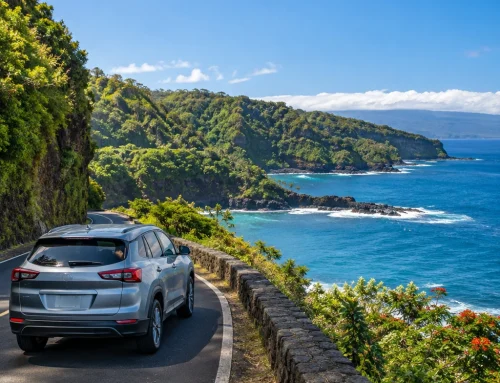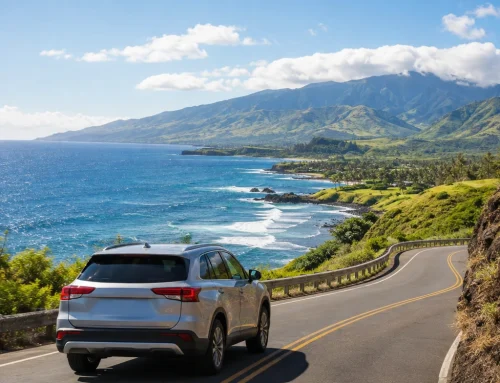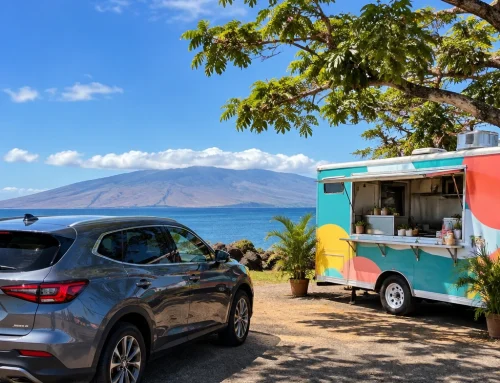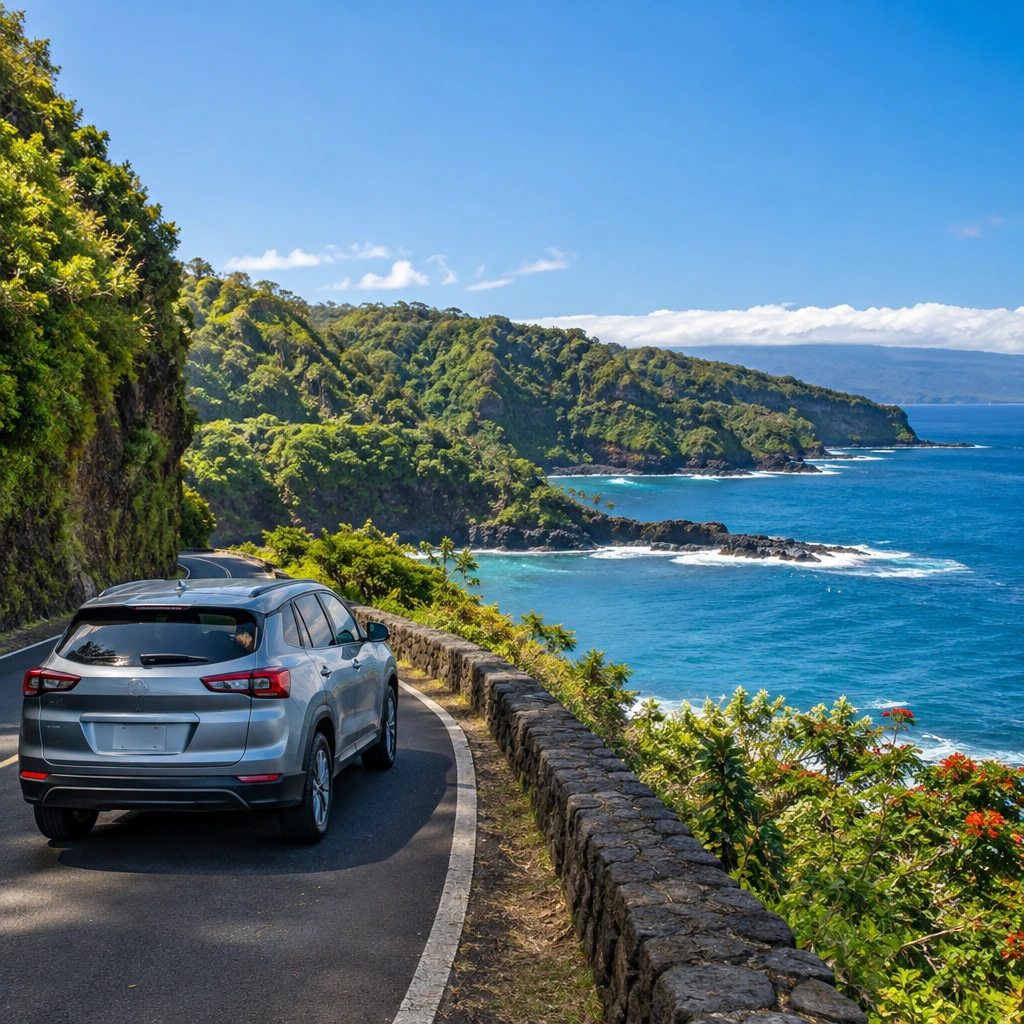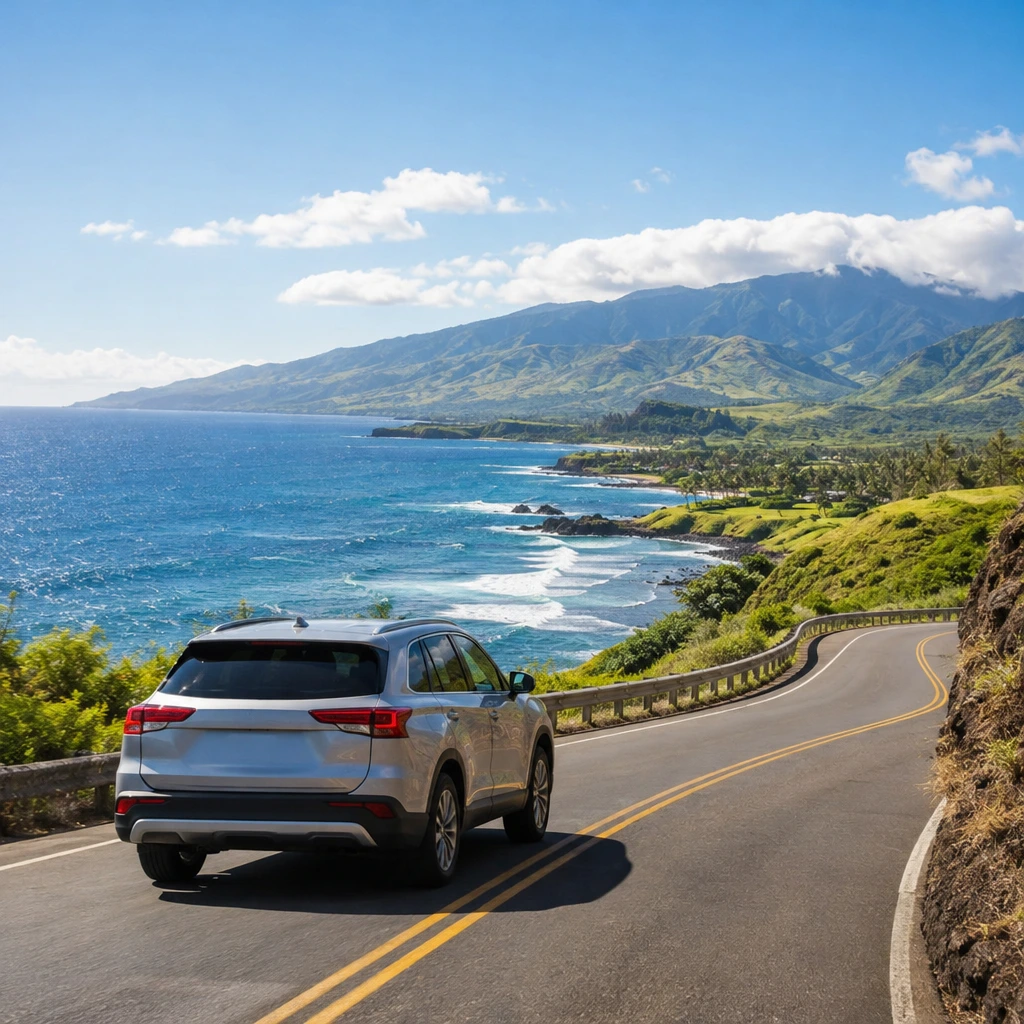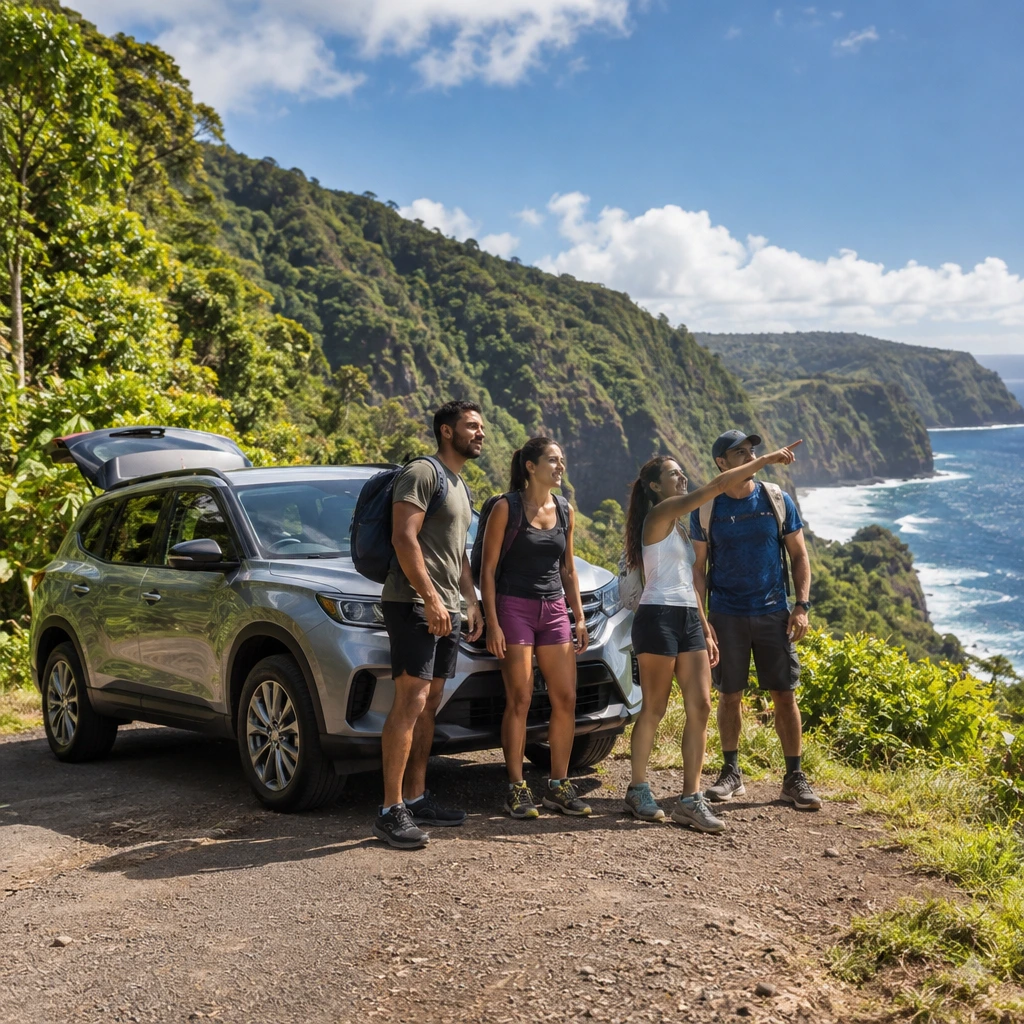
Choosing the best rental car for Road to Hana trips is less about finding the biggest or most eye-catching vehicle and more about selecting transportation that is comfortable, reliable, fuel-efficient, and easy to manage on Maui’s winding roads. The Road to Hana includes narrow sections, one-lane bridges, frequent curves, steep grades, and numerous stops where parking space can be limited. A practical vehicle can make the drive more enjoyable while helping you control fuel and rental costs.
In this guide, you’ll learn which vehicle size works best for different Road to Hana plans, what features actually matter, how to compare rental costs, and how to prepare for a full day of driving. Whether you need a road to Hana rental car for one day or a long-term car rental Maui visitors can use throughout their stay, the right choice is usually a dependable economy or midsize vehicle—not an expensive novelty upgrade.
How to Choose the Best Rental Car for Road to Hana Trips
The best rental car for Road to Hana trips should be small enough to navigate tight areas, comfortable enough for several hours on the road, and dependable enough for a remote route where service options are limited. For many travelers, an economy sedan or compact SUV provides the most sensible combination of comfort, handling, fuel economy, and price.
Match the vehicle to your group
If you are traveling as a couple or with a small amount of luggage, a Toyota Corolla is often an excellent choice. Its compact dimensions make it easier to position on narrow roads and find parking near popular stops. It also offers strong fuel economy, which matters when island gas prices are higher than many visitors expect.
A Toyota Camry adds extra passenger and trunk space while remaining straightforward to drive. It can be a good fit for couples who want a little more legroom or families carrying backpacks, beach supplies, and a cooler. The Camry is still a practical sedan rather than an oversized vehicle, so it remains manageable for everyday Maui driving.
For travelers who prefer a higher seating position or need additional cargo flexibility, the Honda CR-V and Toyota RAV4 are useful options. These compact SUVs provide more room for passengers and gear without the size, fuel demands, or higher rental rates associated with larger specialty vehicles.
Why practical vehicles work well
Road to Hana scenery is the main attraction—not the vehicle itself. A reliable Corolla, Camry, CR-V, or RAV4 gives you what matters: predictable handling, air conditioning, storage, and comfortable transportation between stops. You also avoid paying a novelty premium for features that do not improve the actual driving experience.
Before booking, confirm that the rental company permits travel on the routes you intend to use. Conditions and rental policies can vary, especially if your itinerary includes remote or unpaved sections beyond the main Hana route. When in doubt, ask directly rather than assuming every road is covered by your agreement.
Compare Vehicle Size, Comfort, and Fuel Economy
A common mistake is choosing a vehicle based only on passenger capacity. Road to Hana driving involves more than fitting everyone inside. You should also consider how easily the vehicle handles curves, how much fuel it uses, and whether it leaves enough room for luggage without blocking visibility.
Economy sedans: efficient and easy to handle
The Toyota Corolla is a particularly strong choice for budget-conscious visitors. Its smaller footprint can make narrow road sections feel less stressful, and its fuel efficiency helps reduce the cost of exploring Maui. For two people or a small group with light luggage, it may be all the vehicle you need.
Economy vehicles are also convenient outside the Road to Hana. They are easier to park in busy areas, practical for restaurant trips and errands, and generally less expensive to rent than larger or specialized vehicles. If your trip includes several days of sightseeing, those daily savings can add up quickly.
Midsize sedans and compact SUVs: extra room without excess
The Toyota Camry provides a little more interior space while maintaining a familiar sedan driving experience. It can be a comfortable choice for a couple who plans to spend long days on the road or for a small family that needs additional trunk capacity.
The Honda CR-V and Toyota RAV4 offer flexible cargo areas and a higher seating position. That can be helpful when loading coolers, towels, daypacks, and rain layers. However, additional space should not be confused with a need for a large vehicle. Compact SUVs are generally easier to manage on Maui than oversized options and still support everyday activities such as beach visits, grocery runs, and airport travel.
When comparing options, ask yourself:
- How many people will be in the vehicle?
- How much luggage and day-trip gear will you carry?
- Will you drive the car for several days beyond the Hana excursion?
- Do you prioritize maximum fuel economy or extra cargo space?
- Will the vehicle be comfortable for a full day of stops and sightseeing?
These questions usually lead travelers toward an economy or compact SUV rental rather than an unnecessarily large upgrade.
Think About Road Conditions and Driving Comfort
The Road to Hana is famous for its dramatic scenery, but it is also a demanding drive in places. Expect frequent curves, narrow lanes, one-lane bridges, changing weather, and occasional congestion near popular viewpoints. The ideal vehicle should help you stay focused and comfortable instead of adding unnecessary width or weight.
Features that matter most
Useful features include responsive steering, dependable brakes, good visibility, working air conditioning, and comfortable seating. A backup camera can make parking and repositioning easier. Ample trunk space is helpful because valuables should be kept out of sight whenever possible, and you should avoid leaving belongings unattended at scenic stops.
Modern navigation can also be useful, although cell service may be inconsistent along parts of the route. Download maps before leaving and bring a charged phone, car charger, water, and any medication you may need. Do not rely on technology alone for timing or directions, particularly if you plan to continue beyond Hana.
Driving comfort matters because many visitors underestimate how long the journey takes. A round trip can occupy most of a day, especially when you stop for waterfalls, viewpoints, food, swimming areas, and local attractions. Choose a vehicle in which every passenger can sit comfortably for extended periods.
Drive patiently and respect local conditions
Leave early enough to avoid rushing. Use designated pullouts when stopping, allow local traffic to pass when appropriate, and follow posted signs. At one-lane bridges, proceed carefully and yield according to local conditions and established right-of-way practices. Rain can make roads slick, while fallen branches, pedestrians, cyclists, and oncoming traffic require extra attention.
Although specialty vehicles are often marketed as an “island” experience, they are not automatically better for this drive. A convertible can expose passengers to intense sun and sudden rain, while a large or heavily equipped vehicle can be less convenient on narrow roads and in small parking areas. A standard Corolla, Camry, CR-V, or RAV4 offers the practical balance most visitors actually need.
Also check your rental agreement before driving to less-developed areas or attempting unpaved routes. If a planned section is restricted, do not risk violating the policy or putting the vehicle in a difficult situation.
Keep Your Road to Hana Rental Car Affordable
Road to Hana is only one part of a Maui vacation, so the total rental cost deserves attention. A vehicle with a low daily rate may not be the cheapest choice if it has poor fuel economy, limited luggage space, or expensive add-ons. Compare the complete cost and select the vehicle that fits your itinerary.
Look beyond the daily rate
When reviewing an affordable Maui car rental, consider the base price, taxes, fees, fuel use, insurance decisions, and rental length. If you plan to explore beaches, restaurants, farmers markets, scenic drives, and different parts of the island, keeping the same vehicle for the entire stay may be more convenient than arranging multiple short rentals.
A Corolla can help minimize fuel spending, while a Camry, CR-V, or RAV4 may provide better value when you need additional room. The cheapest vehicle is not always the smallest one; it is the option that meets your needs without paying for unused capacity or unnecessary upgrades.
Visitors staying for a week or longer should also ask about extended rental pricing. A long-term car rental Maui travelers can use for the full vacation may offer simpler planning and better overall value. It also eliminates the inconvenience of returning a car midway through the trip and arranging another pickup.
Book with a team that answers questions
Rental policies and trip plans can raise practical questions: Is the Road to Hana covered? Which vehicle fits four passengers and luggage? What happens if travel plans change? Direct answers are more useful than generic booking screens.
Maui Cruisers connects customers with real people by phone or text. Contact form submissions go directly to the team, and customers are not left to navigate an automated agent or call-center maze. That personal communication can be especially valuable when you want to confirm vehicle availability, discuss a longer rental, or clarify your intended route before booking.
To keep costs under control, reserve early when possible, compare the total rental period, avoid paying for features you will not use, and choose a fuel-efficient vehicle that works for your entire Maui itinerary.
Road to Hana Planning Tips for a Better Rental Experience
The right car helps, but preparation is equally important. Before leaving, inspect the vehicle and note any existing damage according to the rental company’s instructions. Adjust the mirrors and seat, learn the controls, and make sure the fuel level matches the agreement.
Pack water, snacks, sunscreen, light rain gear, comfortable shoes, and a small first-aid kit. A reusable bag can help keep the interior organized, while a phone mount lets the driver check directions safely when stopped. Keep your itinerary flexible because weather, traffic, and the number of scenic stops can change the day’s schedule.
Do not attempt to see every attraction in one rushed outing. Select a few priorities, allow extra time for parking and walking, and turn around before fatigue becomes a safety issue. If you are sharing driving duties, confirm that every driver is listed and authorized under the rental agreement.
Finally, keep the vehicle clean, lock it whenever you leave, and avoid displaying luggage or electronics at trailheads and viewpoints. These simple habits help protect your belongings and make the return process easier.
Conclusion: Choose Practical Transportation for Road to Hana
The best vehicle for a Road to Hana trip is usually a reliable, fuel-efficient rental that fits your group without being oversized. The Toyota Corolla is a smart budget option for couples and light packers, while the Toyota Camry offers more space in a comfortable sedan. The Honda CR-V and Toyota RAV4 add cargo flexibility and a higher seating position for travelers who need extra room.
Rather than paying for a flashy upgrade, focus on fuel economy, handling, comfort, luggage capacity, and rental-policy details. These factors matter on Hana’s winding roads and throughout the rest of your Maui vacation. For affordable car rentals Maui visitors can use for a day, a week, or longer, Maui Cruisers offers practical vehicles and direct support from real people. Contact the team by phone or text to discuss your itinerary and choose a road to Hana rental car that makes sense for both your trip and your budget.