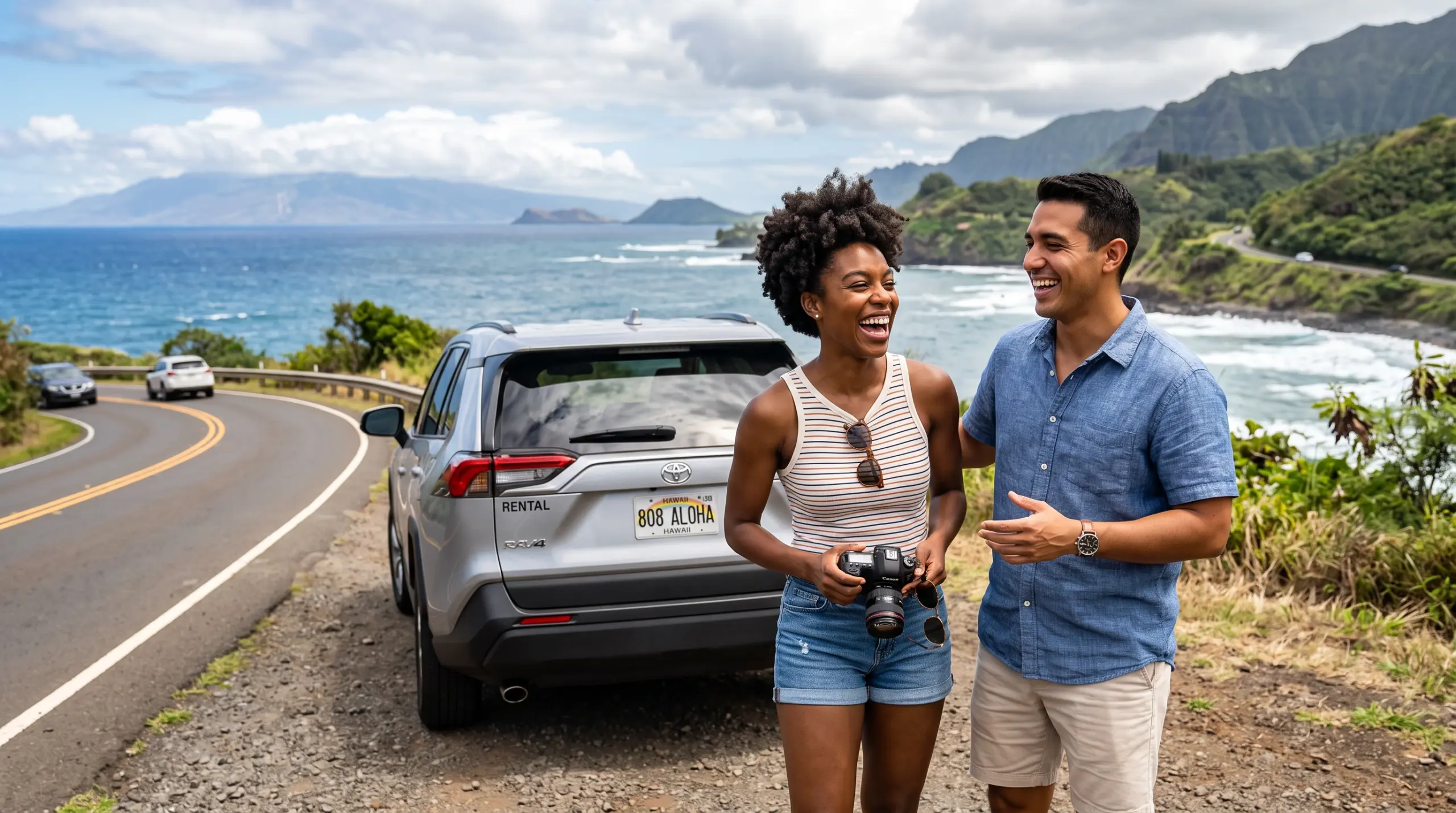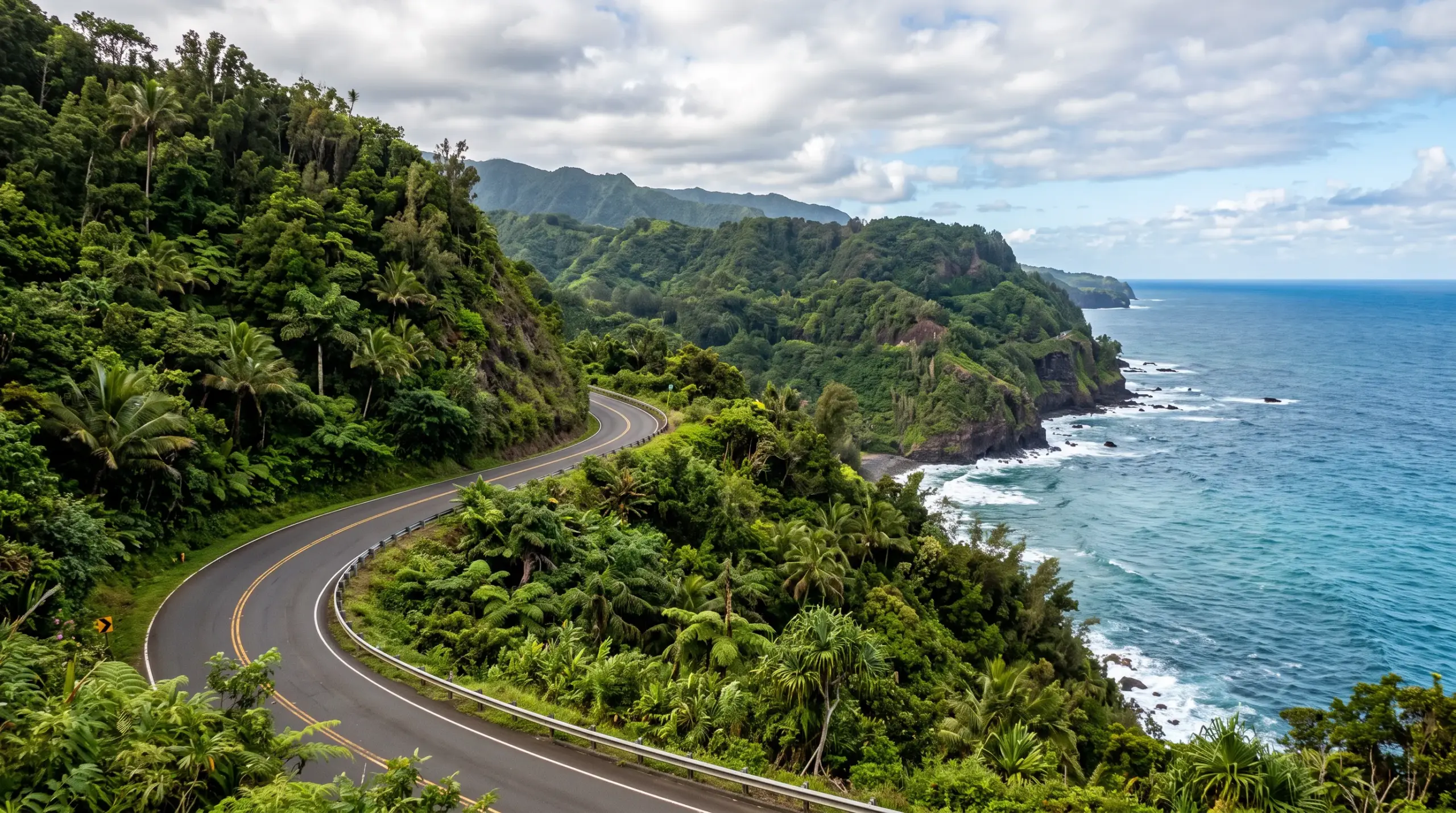
Maui is best experienced from behind the wheel. The island’s most memorable views rarely come from a single overlook; they unfold through changing landscapes of lava coast, rainforest, pastureland, sugarcane fields, and high-elevation desert. However, not every route is equally easy, scenic, or practical. The famous Road to Hāna can take most of a day, while Haleakalā requires preparation for cold, altitude, and limited services. Meanwhile, some West Maui roads are narrow, weather-sensitive, or subject to changing access conditions.
This guide to the best scenic drives Maui offers explains which routes are truly worth your time, what to expect on each one, and how to plan Maui sightseeing by car without rushing the experience. Whether you want waterfalls, coastal viewpoints, sunset scenery, or an affordable way to explore beyond your resort, these are the Maui driving routes that deliver the real deal.
The Best Scenic Drives Maui Has to Offer
Maui’s geography makes it unusually rewarding for self-guided road trips. The island is divided into distinct regions, from sunny West and South Maui to lush East Maui and the volcanic slopes of Upcountry Maui. Hawai‘i’s official Maui geography guide identifies these as five major regions, each with its own climate, scenery, and character.
Rather than trying to drive everywhere in one day, choose a route that matches your interests:
- Best overall adventure: The Road to Hāna
- Best sunrise or sunset drive: Haleakalā Summit
- Best rugged coastline: West Maui and Kahekili Highway
- Best easy ocean-view outing: South Maui to Mākena
- Best flexible half-day trip: Upcountry Maui through Kula and ʻUlupalakua
A rental car gives you more control than a tour itinerary. You can stop for a farm stand, spend longer at a viewpoint, or turn around when the weather changes. For visitors staying several days or weeks, an affordable rental from Maui Cruisers can also make it easier to divide the island’s best drives into manageable outings instead of forcing every attraction into one exhausting day.
Road to Hāna: Maui’s Classic Scenic Drive
Why the route remains worth it
The Road to Hāna is famous for good reason. The route follows Hāna Highway along East Maui’s wet, densely vegetated coast, passing waterfalls, taro fields, botanical gardens, black-sand beaches, and small communities. According to Go Hawai‘i’s official Hāna travel information, the legendary road is approximately 52 miles from Kahului, yet the drive can take two to four hours because of narrow one-lane bridges, hairpin turns, and frequent opportunities to stop.
That estimate covers driving time, not sightseeing. With overlooks, short hikes, food stands, and beach stops, a complete Road to Hāna day can easily take 10 to 12 hours. The real mistake is treating it like a race to reach the town of Hāna. The route itself is the attraction.
How to drive it responsibly
Start early, fill the tank before leaving Central Maui, and download maps before entering areas with unreliable cell service. Drive slowly, especially near bridges, blind curves, and residential areas. If another vehicle is behind you and a safe pullout is available, let it pass. Never stop in the traffic lane or park where your vehicle protrudes onto the highway.
Popular stops can include Twin Falls, Keʻanae Peninsula, Wailua Valley viewpoints, Waiʻānapanapa State Park, and the Hāna coastline. However, access and parking rules change. Some places require reservations, while others may close after heavy rain or storm damage. Go Hawai‘i’s Road to Hāna guidance specifically recommends using designated parks and county rest facilities, respecting private property, parking only in marked areas, and avoiding streams during heavy rain or flash-flood conditions.
At the time of writing, the Hawai‘i Division of State Parks lists Kaumahina State Wayside as closed, demonstrating why checking official notices shortly before departure matters. Conditions can change quickly on this side of the island, so build flexibility into your plan rather than promising yourself every stop.
Haleakalā Summit and Upcountry Maui
The summit road experience
Driving from sea level to the summit of Haleakalā is one of the most dramatic road trips in Hawai‘i. In a relatively short outing, the landscape changes from tropical vegetation to eucalyptus forest, open pasture, volcanic cinder, and the vast crater at 10,023 feet. The route is paved, but it is steep, winding, and often colder and windier than visitors expect.
Current Haleakalā National Park conditions state that the summit district is open, while sunrise access between 3:00 a.m. and 7:00 a.m. requires an advance reservation. The National Park Service also warns that the summit road has no streetlights or guardrails, and that there is no food, clothing, or gasoline for sale inside the park.
For sunrise, reservations are available through Recreation.gov up to 60 days ahead, with another portion released two days in advance. The sunrise reservation costs $1 per vehicle, and a separate park entrance fee or valid pass is required. If you prefer a slower, less crowded experience, visit during daylight after sunrise or plan for sunset, which does not require the sunrise reservation system.
Make it more than a viewpoint
Allow time for overlooks such as Leleiwi, Kalahaku, and the Haleakalā Visitor Center area. Short walks can provide a stronger sense of scale than simply stepping out for a photograph. Bring warm layers, water, snacks, and motion-sickness medication if winding roads affect you. Descend carefully and use lower gears when appropriate rather than riding the brakes.
For a fuller day, combine Haleakalā with Upcountry Maui. Drive through Kula, stop at a farm or garden, and continue toward ʻUlupalakua for rolling hills and broad views toward the ocean. This is one of the best Maui road trips for travelers who want scenery without committing to the full Road to Hāna.
West Maui: Coastal Views, Kahakuloa, and Kahekili Highway
West Maui offers two very different driving experiences. The Honoapiʻilani Highway south and west of the resort areas is relatively straightforward, with ocean views, beaches, restaurants, and sunset stops. Farther north, the scenery becomes more rugged as the road approaches Kahakuloa and the remote northern coastline.
The dramatic route is commonly associated with Kahekili Highway. It is narrow in places, exposed to weather, and not the right choice for nervous drivers, oversized vehicles, or anyone planning to drive after dark. Expect blind corners, limited pullouts, steep drops, and sections where meeting another vehicle requires patience and communication.
West Maui is also a region where current conditions matter especially much. The County of Maui’s official road closure notification page explains that its alerts cover unplanned closures and major roadway hazards, while construction slowdowns may be posted separately by the state. Check both county and state updates before leaving, particularly after rain or strong winds.
What makes this drive special
The reward is a quieter, more rugged side of Maui: sea cliffs, offshore islands, dry coastal hills, and small-scale rural scenery. Kahakuloa Village is a memorable stop when access and parking conditions allow. Plan to purchase refreshments respectfully from local vendors, carry water, and avoid blocking driveways or narrow sections of highway.
If the northern route feels too demanding, enjoy the more accessible portion of West Maui instead. The Honoapiʻilani Highway connects resort communities, beaches, viewpoints, and Lahaina-area businesses that continue to rebuild and welcome visitors. You can still experience spectacular ocean scenery without completing the entire loop.
South Maui to Mākena: The Easiest Ocean-View Road Trip
For an uncomplicated scenic outing, drive south from Kīhei through Wailea toward Mākena. This route is shorter and easier than the Road to Hāna or Kahekili Highway, making it ideal for a half-day drive, a relaxed beach day, or an afternoon that ends with sunset.
Along the way, you will find coastal viewpoints, beaches, resort landscaping, lava-rock shoreline, and views across the ʻAlalākeiki and ʻAuʻau Channels. The road is generally more convenient for travelers who want to combine swimming, snorkeling, lunch, and sightseeing without spending the entire day in the car.
Leave time for unplanned stops, but pay close attention to signs. Parking is limited at several popular beaches, and illegal roadside parking can create safety problems. Keep valuables out of sight, take all belongings with you, and never leave food or trash behind.
South Maui is also useful as a flexible backup plan. If rain is moving across East Maui or summit weather is poor, you can often enjoy a pleasant coastal drive here instead. For families, first-time visitors, and travelers who prefer predictable roads, this may be the most practical of the scenic drives on Maui.
How to Plan Maui Sightseeing by Car
The best road trip is not simply the one with the most stops. It is the one that fits the day, the weather, and the driver’s comfort level. Before setting out, use these simple guidelines:
- Check conditions first. Review Maui County closure notifications, Hawai‘i Department of Transportation updates, park alerts, and weather forecasts.
- Start with fuel and supplies. Remote routes have fewer services, and some areas have no reliable cell coverage.
- Choose one major region per day. Crossing the island repeatedly wastes time and adds unnecessary fatigue.
- Respect local communities. Follow posted rules, avoid trespassing, and keep roads clear for residents.
- Drive for the conditions. Rain, fog, falling rocks, cyclists, pedestrians, and wildlife can appear with little warning.
- Book the right rental. An economical car is usually sufficient for paved routes, while comfort, luggage space, and trip length should guide your choice.
This is where a local rental company can make planning easier. Maui Cruisers offers affordable short- and long-term car rentals, with online and phone booking options for travelers who want dependable transportation without paying for a tour every day. A cheap car rental in Maui can be especially valuable for longer stays because it lets you spread these drives across several days and explore at your own pace.
Conclusion: Choose the Drive That Fits Your Maui Trip
The real appeal of Maui’s scenic drives is variety. The Road to Hāna delivers rainforest and waterfalls. Haleakalā provides elevation, silence, and volcanic scale. West Maui brings rugged coastlines and dramatic roads, while South Maui offers an easy, flexible route for beaches and sunsets. None of these experiences needs to be rushed.
Before you go, check current road and park conditions, plan realistic driving times, and leave room for unexpected viewpoints. Then reserve a vehicle that matches your itinerary. With affordable transportation from Maui Cruisers, you can turn Maui sightseeing by car into a relaxed part of the vacation rather than an expensive afterthought. The best Maui road trips are the ones that let you slow down, drive respectfully, and enjoy the island beyond the hotel zone.