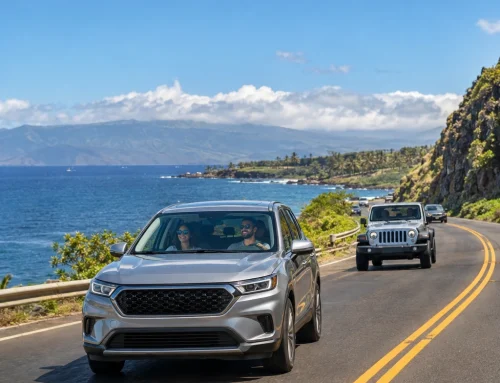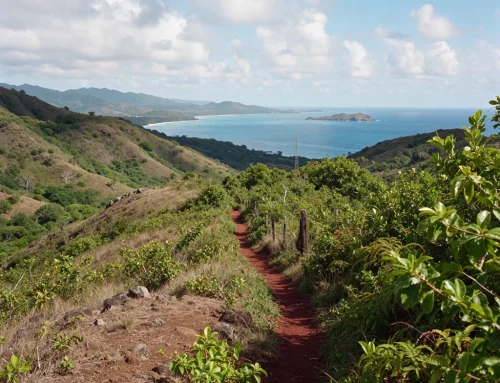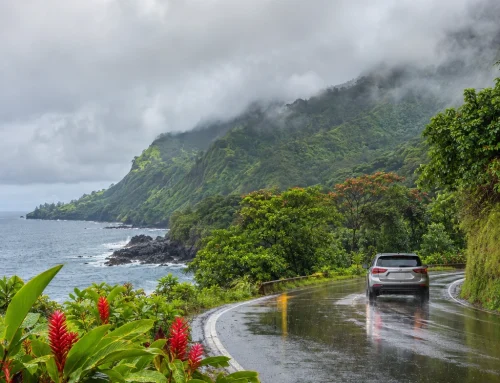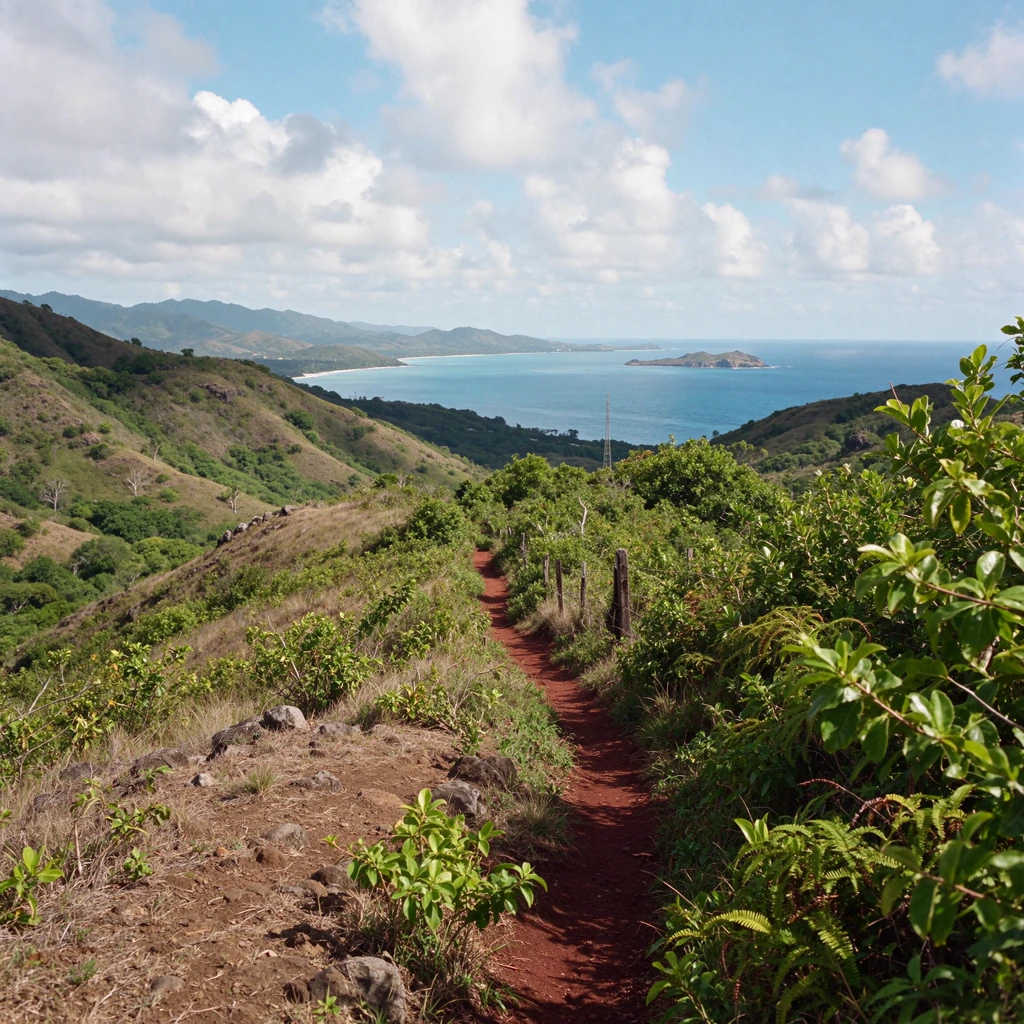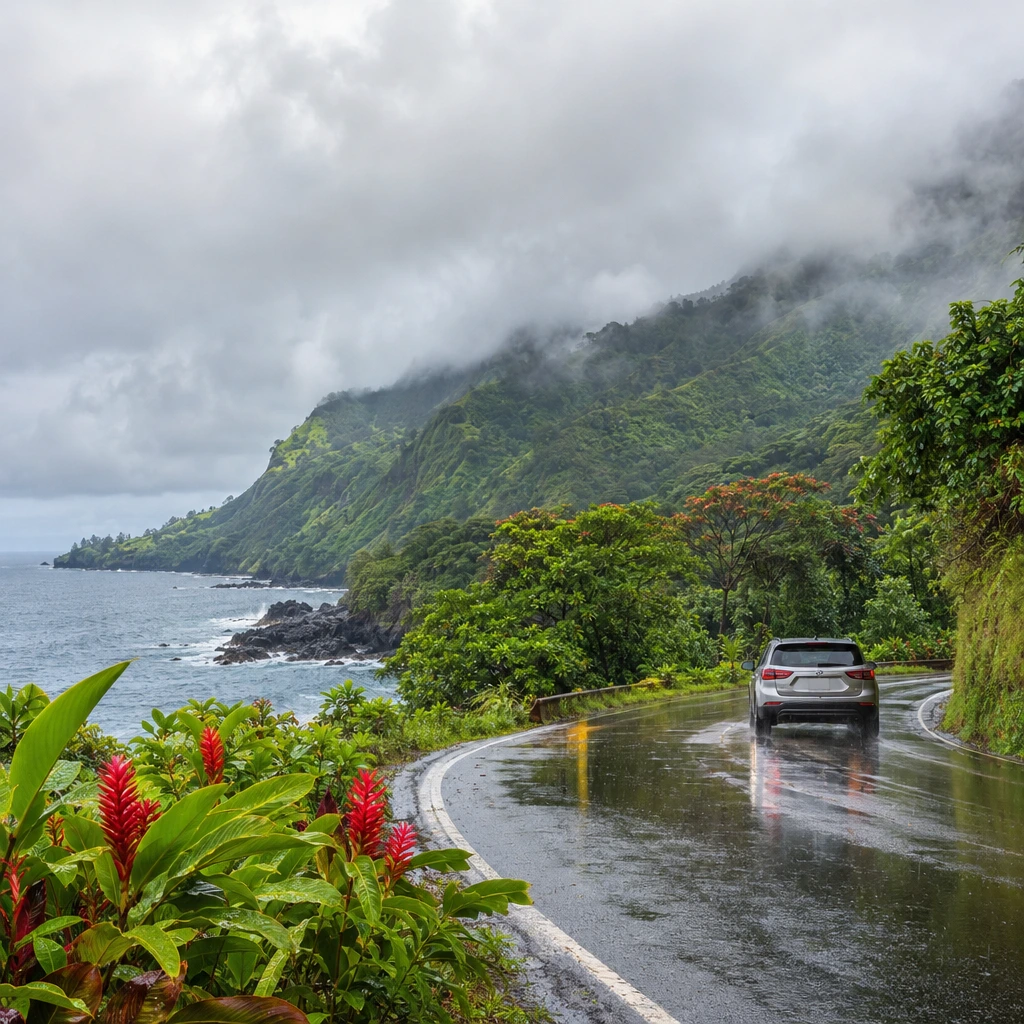
Taking back side of Hana rental cars beyond Kīpahulu can look like an exciting way to turn the Road to Hana into a full island loop. It can also become one of the most expensive mistakes of your Maui vacation. The route along Piʻilani Highway toward Kaupō is remote, weather-sensitive, and includes rough or unpaved sections that many rental agreements prohibit. If you continue without confirming the rules, you may risk vehicle damage, roadside delays, denied assistance, or unexpected charges.
This guide explains why the backside route deserves extra caution, what can make it costly, how current road conditions affect your plans, and how to choose a practical vehicle for Maui driving. You will also learn safer alternatives for exploring East Maui without turning a scenic drive into a stressful insurance or rental-contract problem.
Why Back Side of Hana Rental Cars Can Become a Costly Mistake
The phrase “back side of Hana” usually refers to the route south and west of Kīpahulu, often associated with Piʻilani Highway and the road toward Kaupō and ʻUlupalakua. Although maps may show a continuous route, that does not mean the road is suitable for every vehicle or permitted under every rental agreement.
The key issue is that rental companies generally distinguish between the paved Road to Hana and remote, unpaved, unimproved, or hazardous roads beyond the Kīpahulu area. Some rental agreements specifically exclude the approximately 16-mile unpaved section commonly called the “back side” of Hana. If you drive there anyway, you could be violating the contract even if the car appears to be operating normally.
That matters because rental protection is usually tied to following the agreement. Damage from rocks, potholes, washouts, undercarriage strikes, tire failure, or water crossings may not be treated the same way as ordinary wear from driving on authorized roads. A low daily rate can quickly be overwhelmed by towing, repairs, transportation, cleaning, or administrative fees.
The route may be open on a map but unsuitable in practice
Remote roads change quickly. Heavy rain can create mud, rockfall, flooding, and washouts. The County of Maui has issued temporary Piʻilani Highway closures, including a flooding-related closure near mile marker 51 on October 29, 2026, which was later reported open. That kind of change shows why a route that looked possible during trip planning may not be safe or passable on the day you drive it.
Before leaving, check the Hawaiʻi Department of Transportation roadwork and lane-closure information and current Maui County alerts. Treat those updates as part of your driving plan, not as an optional last-minute check.
The Biggest Financial Risks of Driving the Back Road to Hana
The cost of the backside route is not simply the possibility of a flat tire. The larger risk is that several expenses can appear at once after a breakdown or accident in a remote area.
1. Damage that falls outside normal rental protection
Unpaved roads can expose a rental vehicle to hazards that are uncommon on regular Maui highways. Loose rocks may damage tires or paint. Deep ruts can scrape the underside of a sedan. Standing water can hide potholes or weakened road surfaces. A driver who turns around on a narrow shoulder may also strike a rock, fence, or embankment.
If the rental agreement prohibits the road, the customer may be responsible for some or all of the resulting damage. The exact consequences depend on the contract and protection selected at booking, so never assume that a damage waiver covers every road on the island.
2. Towing and recovery charges
A tow truck may not be able to reach you quickly, especially when the vehicle is far from a major town or located on a narrow, rough road. Recovery can require specialized equipment, additional labor, or a long-distance tow. Even if the rental company helps coordinate assistance, the cost may be charged to the renter when the vehicle was used on an excluded road.
There is also a practical problem: waiting for help can consume much of the day. A simple tire issue may become a missed dinner reservation, a missed flight connection, or an additional hotel night if the vehicle cannot be returned on schedule.
3. Fuel, food, and communication problems
Haleakalā National Park’s Kīpahulu District is beautiful but remote. The National Park Service states that there are no gas stations within the park and no food, gas, or clothing for sale there. The closest services for the Kīpahulu area are in Hāna, so drivers need to arrive prepared with fuel, water, food, and appropriate clothing.
Cellular service can also be spotty in Kīpahulu. The National Park Service information for Haleakalā National Park recommends planning for remote conditions, changing weather, and limited services. That makes the backside a poor place to test a rental car’s limits or continue simply because a navigation app still shows a route.
Why the Back Side of Hana Is More Challenging Than It Looks
Many visitors picture the backside as a quiet coastal shortcut. In reality, the driving experience can vary considerably. Sections may be narrow, rough, steep, muddy, or exposed. Rain can change traction and visibility, while falling rocks, livestock, or debris may appear with little warning.
Unlike a busy resort area, there may be few places to safely pull over. If one driver stops to admire the view, another vehicle may have difficulty passing. On a narrow road, reversing or turning around can be uncomfortable for even an experienced driver.
Weather is a major factor
East Maui receives frequent rain, and conditions can shift quickly around the slopes of Haleakalā. A road that was dry in the morning may be slick later in the day. Flash flooding is particularly dangerous because water can rise rapidly and conceal damage beneath the surface.
The National Park Service advises visitors to expect unpredictable weather and to check alerts before visiting. Its current conditions page also notes that the Pools of ʻOheʻo in the Kīpahulu District are not accessible for swimming, so travelers should not assume that every famous stop is available simply because they have reached the area.
Navigation can create false confidence
GPS apps prioritize connectivity between two points. They do not always understand rental-agreement restrictions, local driving etiquette, temporary closures, or whether a road is appropriate for an unfamiliar visitor. A route that appears shorter may involve a surface your rental contract excludes.
Use navigation as a tool, not as permission. If the road becomes unpaved, severely damaged, flooded, or visibly unsafe, turn around before conditions force you into a dangerous decision. It is far better to enjoy fewer stops than to risk your passengers, your vehicle, or your travel budget.
How to Explore Hana Without Taking Unnecessary Risks
The safest strategy for most visitors is to treat the Road to Hana as an out-and-back trip. Drive the authorized Hana Highway, allow more time than the map suggests, and choose a realistic turnaround point. You can still experience waterfalls, coastal scenery, rainforest overlooks, roadside fruit stands, and the Kīpahulu area without committing to the roughest section beyond it.
Plan the drive around time, not mileage
The Road to Hana is filled with one-lane bridges, curves, viewpoints, and places where traffic moves slowly. A schedule based only on distance often leads visitors to rush, drive after dark, or continue farther than planned. Start early, build in extra time, and decide in advance where you will turn back.
- Fill the tank before heading into East Maui.
- Bring water, snacks, sunscreen, rain protection, and a small first-aid kit.
- Check road closures, weather alerts, and park conditions before departure.
- Use designated parking areas and never block a bridge, driveway, or narrow lane.
- Follow posted signs and local traffic etiquette, including yielding where appropriate.
- Return before darkness if you are unfamiliar with the route.
Ask before you drive
Read your rental agreement carefully before planning the drive. Look specifically for language covering unpaved roads, unimproved roads, Piʻilani Highway, the road beyond Kīpahulu, towing, and roadside assistance. If the wording is unclear, ask the rental company before you leave—not after a warning light appears.
This is also where personal service makes a difference. At Maui Cruisers, customers can contact a real team member by phone or text rather than relying on an automated system. When you are comparing affordable Maui car rental options, ask direct questions about the route, the vehicle, and the best way to plan your day. Clear advice at the beginning can prevent an expensive surprise later.
Choosing a Sensible Rental Car for Maui Driving
You do not need a Jeep, luxury vehicle, or convertible to enjoy Maui’s main roads. In fact, a practical economy or midsize vehicle is often the better choice for everyday island driving. A Toyota Corolla or Camry can provide comfortable transportation with lower fuel use and easier parking, while a Honda CR-V or Toyota RAV4 offers extra cargo room and a higher seating position for travelers who want more space.
The important distinction is not whether a vehicle looks adventurous. It is whether the road is authorized, the conditions are appropriate, and the driver is prepared. No vehicle should be treated as an invitation to ignore rental restrictions or attempt a road that is flooded, damaged, or beyond the driver’s comfort level.
For travelers searching for cheap car rentals in Maui, keeping the vehicle choice practical can help control the total trip cost. Lower rental rates, reasonable fuel economy, simpler parking, and fewer novelty premiums leave more of the budget for meals, activities, and accommodations. A dependable Corolla, Camry, CR-V, or RAV4 is usually all most visitors need for beaches, grocery runs, resort areas, scenic drives, and the authorized Road to Hana route.
For a longer visit, an affordable long-term car rental in Maui can be especially useful because it provides consistent transportation without paying for a specialized vehicle you may not need. The goal is reliable mobility—not an expensive vehicle that encourages risky driving decisions.
Conclusion: Save Money by Respecting the Route
Taking rental cars on the back side of Hana can become costly when visitors overlook rental-agreement restrictions, underestimate remote-road conditions, or assume that a mapped route is automatically safe and covered. Damage, towing, fuel shortages, flooding, and limited communication can turn a beautiful drive into a major vacation expense.
For most travelers, the smarter plan is simple: confirm the permitted roads, check current conditions, fuel up in advance, drive the main Hana route carefully, and turn around before the road becomes questionable. A practical rental such as a Toyota Corolla, Camry, Honda CR-V, or RAV4 is well suited to normal Maui travel when used responsibly.
If you need dependable transportation for a day, a week, or longer, contact Maui Cruisers by phone or text. A real member of the team can help you choose an affordable Maui car rental and answer route questions before your adventure begins.