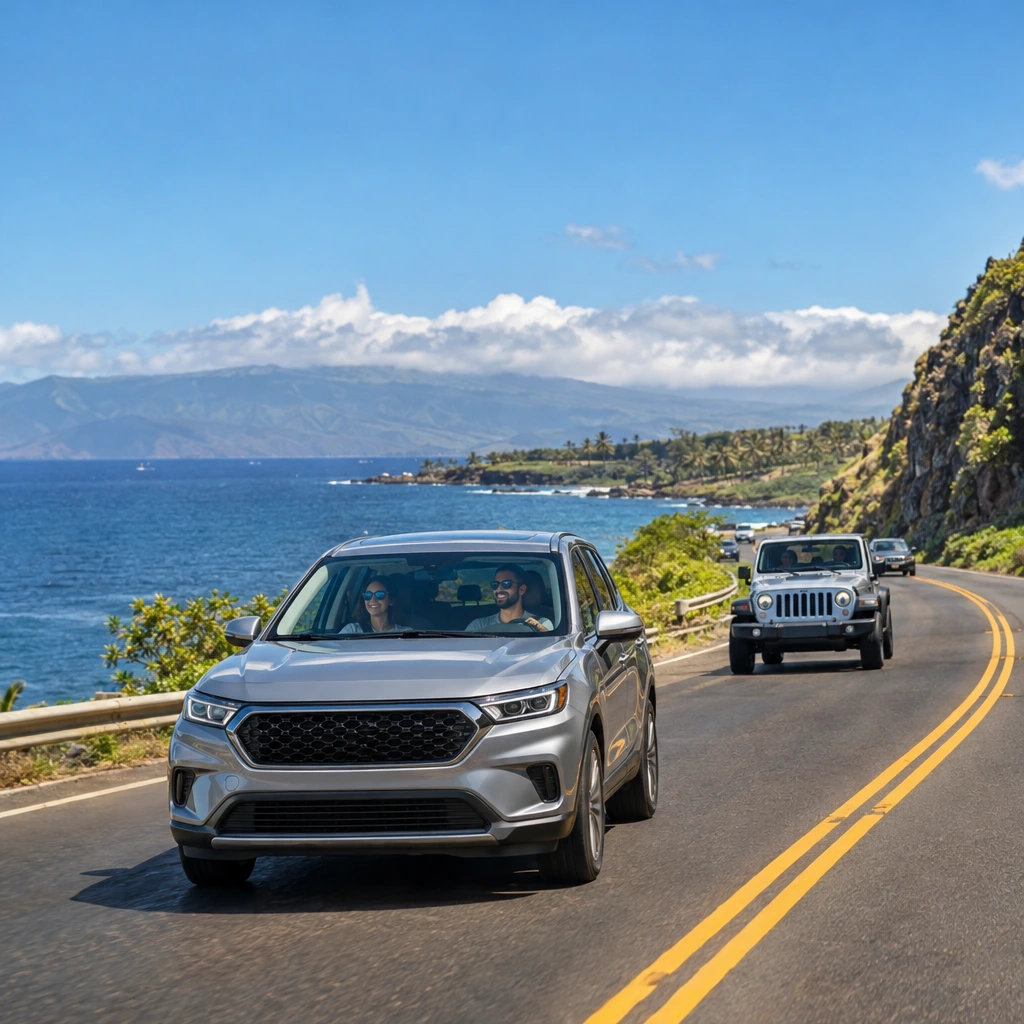
Driving in Maui is one of the best ways to experience the island’s beaches, farms, hiking trails, scenic overlooks, and small communities. It is also different from driving on the mainland. Roads can narrow quickly, weather may change without warning, and local drivers generally value patience and courtesy over speed. Understanding Maui driving etiquette before you pick up your rental car can make every trip more comfortable and safer.
This practical guide explains Maui driving rules for visitors, everyday road manners, parking expectations, and safety tips for popular routes such as the Road to Hana. You will also learn how to handle one-lane bridges, share the road respectfully, and choose a practical rental vehicle for island driving. Whether you are planning a short vacation or need a long-term car rental in Maui, these tips will help you drive with confidence while respecting the people and places that make Maui special.
Maui Driving Etiquette: The Local Rules That Matter Most
Maui driving etiquette is based on a simple idea: slow down, stay aware, and avoid treating public roads like a racetrack. Many island roads are used by residents commuting to work, making deliveries, walking near neighborhoods, or traveling between communities. Visitors who leave extra space, allow others to merge, and avoid unnecessary honking contribute to a safer and more pleasant experience for everyone.
Drive at a comfortable, legal speed
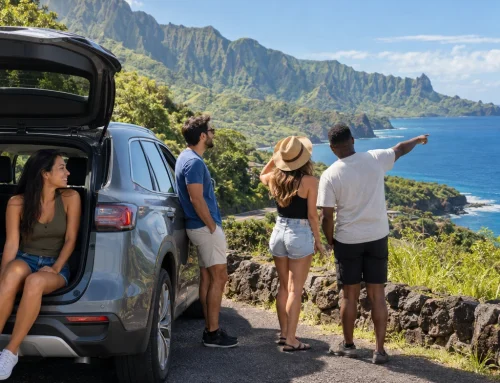
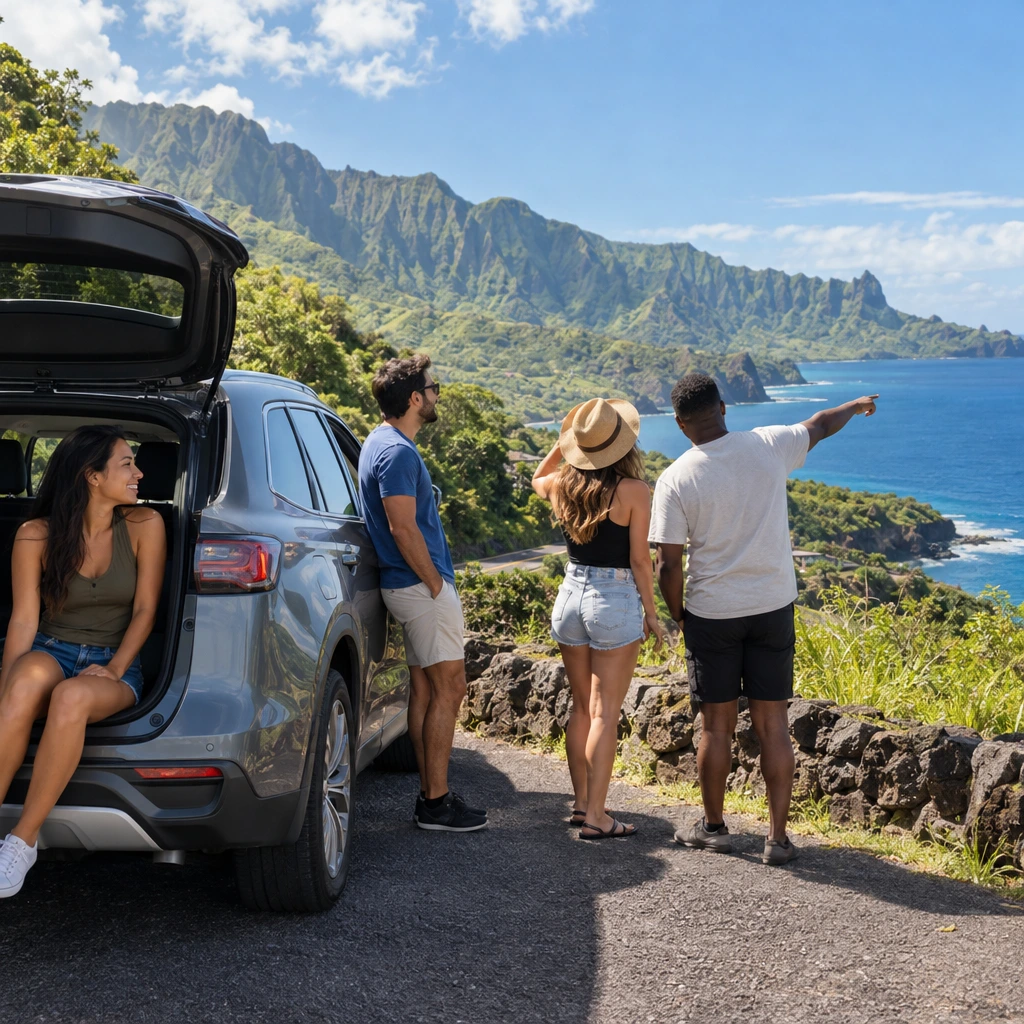
Posted speed limits are often lower than visitors expect, especially on winding roads, in residential areas, and near schools. Follow the posted limit and reduce your speed when visibility is limited, the pavement is wet, or pedestrians and cyclists are nearby. On scenic routes, do not stop in the travel lane to take photographs. Instead, use a designated pullout or continue to a safe place where you can park completely off the road.
If traffic builds behind you on a narrow road, avoid feeling pressured to speed up. Maintain a safe pace and use a legal pullout when one is available. Letting several vehicles pass is courteous and helps prevent risky passing maneuvers.
Use signals and give other drivers room
Signal before turning, changing lanes, or pulling away from a roadside parking space. Keep a generous following distance because sudden rain, animals, pedestrians, cyclists, and stopped traffic can appear around a curve. Avoid tailgating, aggressive passing, and using your horn except when necessary for safety.
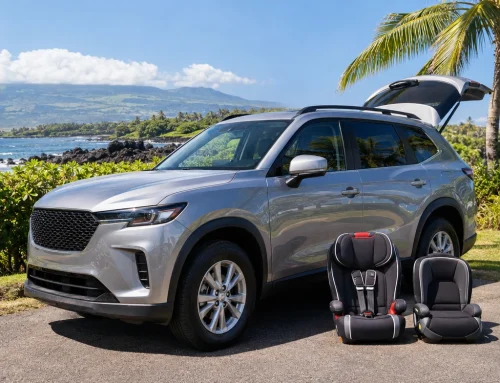
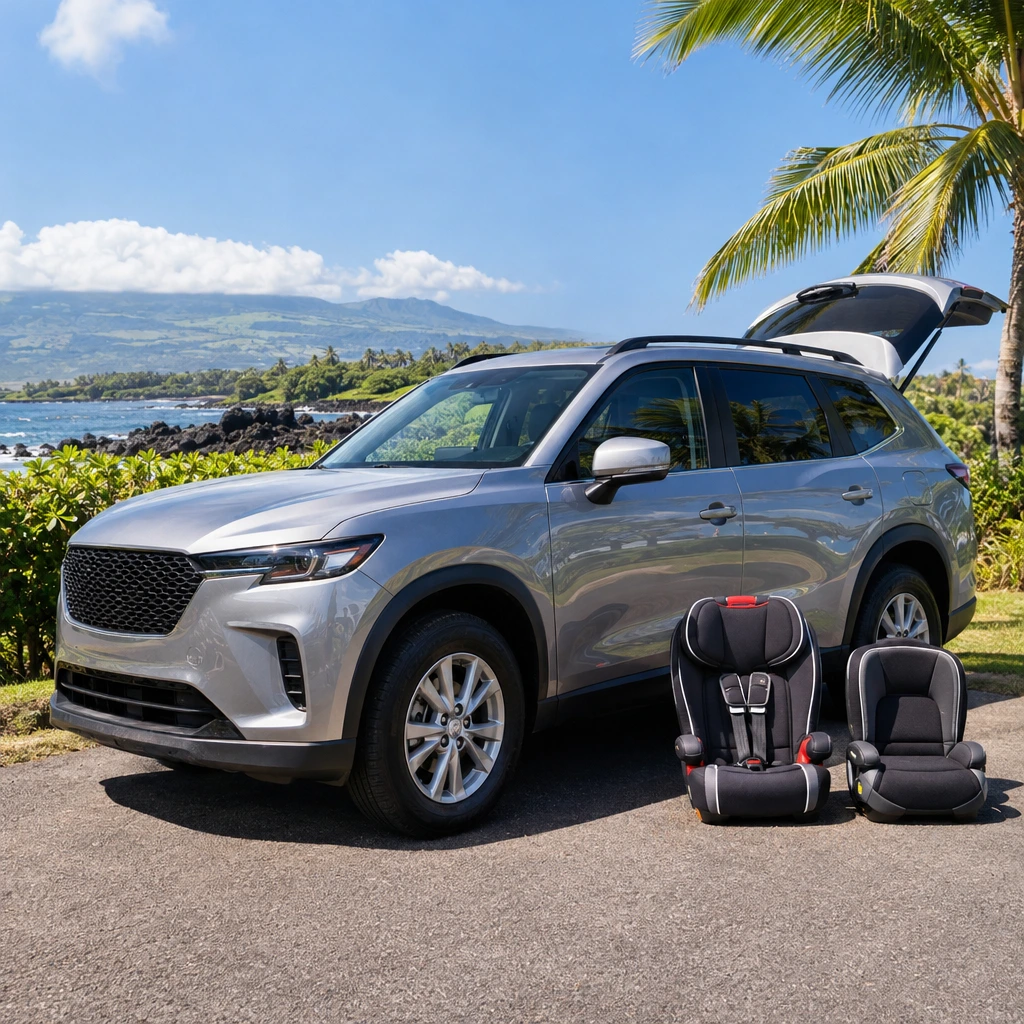
Hawaii law requires drivers and passengers to use seat belts, and children must be secured in appropriate child safety seats or booster seats. Drivers should also keep their attention on the road. Hawaii’s hands-free law restricts the use of handheld mobile electronic devices while driving, so set your navigation before leaving and pull over safely if you need to make changes.
Maui Road Rules for Visitors and Common Driving Situations
Most of the basic rules are familiar to drivers from the mainland, but island conditions can make ordinary situations more complicated. Knowing what to expect is one of the most useful Maui rental car tips for first-time visitors.
One-lane bridges and narrow roads
One-lane bridges are common on parts of the Hana Highway. They require patience and communication rather than an assumption that the larger vehicle or faster driver has priority. Slow down before reaching the bridge, look for oncoming traffic, and follow posted signs. In many situations, the vehicle closer to the bridge may proceed first, while the other driver waits at a safe widening or designated area. Never enter if you cannot see enough of the bridge or if another vehicle is already crossing.
After crossing, continue moving rather than stopping on the bridge for photos. Some bridges are shared by vehicles, cyclists, and pedestrians, so be prepared to yield and give vulnerable road users plenty of space.
Yielding, merging, and emergency vehicles
At intersections, roundabouts, and merges, follow signs and traffic signals while remaining alert for drivers who may be unfamiliar with the area. Do not assume every road has a wide shoulder or a dedicated acceleration lane. Merge smoothly and avoid blocking intersections, particularly in busy areas such as Kahului, Kihei, Lahaina, and near shopping centers.
If you see an emergency vehicle with flashing lights, move over when safe and legal. Watch for road crews, utility workers, pedestrians, and bicyclists. A road that looks quiet can still have people working or walking close to the pavement.
Never drive after drinking or using anything that can impair your judgment. Arrange a sober driver, rideshare service, or taxi instead. Also remember that open-container rules apply in vehicles, and passengers should not create distractions that make it harder for the driver to focus.
Driving the Road to Hana Safely and Respectfully
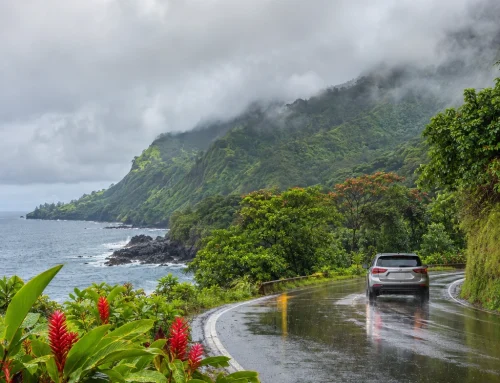
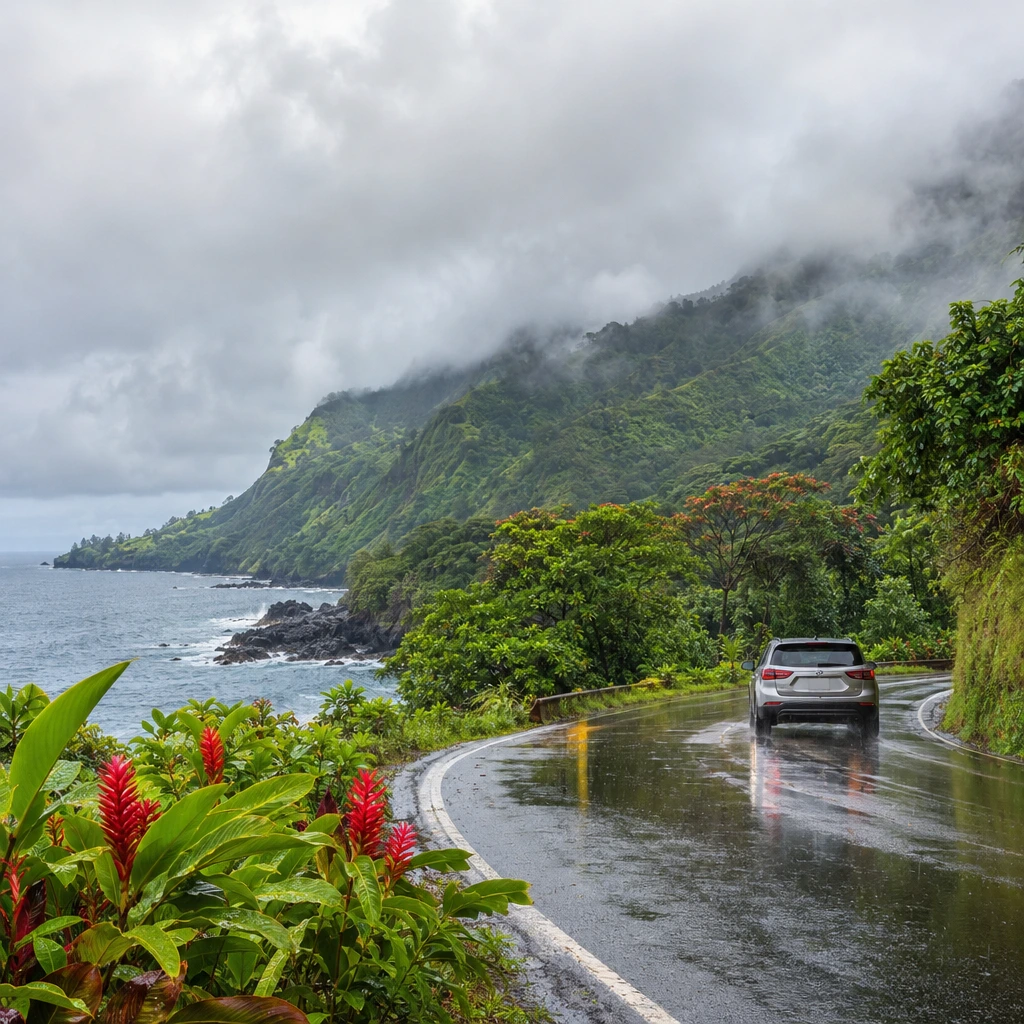
The Road to Hana is a scenic journey, not simply a fast route from one destination to another. The highway includes tight curves, narrow sections, bridges, changing weather, and areas with limited cell service. Planning ahead makes the experience more enjoyable and reduces stress for both visitors and local residents.
Prepare before you leave
Start with enough fuel, water, food, and offline navigation. Gas stations are limited along the route, and mobile service may be unreliable. Check weather and road conditions before departing, and allow more time than a standard map estimate suggests. If conditions are poor or you are uncomfortable with narrow, winding roads, postponing the trip may be the wisest choice.
- Fill the tank before entering the more remote sections of the route.
- Download maps and save important addresses in advance.
- Wear sturdy shoes if you plan to walk to overlooks or trails.
- Keep valuables out of sight and lock the vehicle when leaving it.
- Tell someone your general plans if you expect to travel beyond reliable cell coverage.
Respect residents, property, and the environment
Do not park in front of driveways, along narrow shoulders, in passing areas, or on private property. A seemingly harmless stop can prevent residents, emergency vehicles, or tour buses from getting through. Use official parking areas and follow signs even when a viewpoint appears empty.
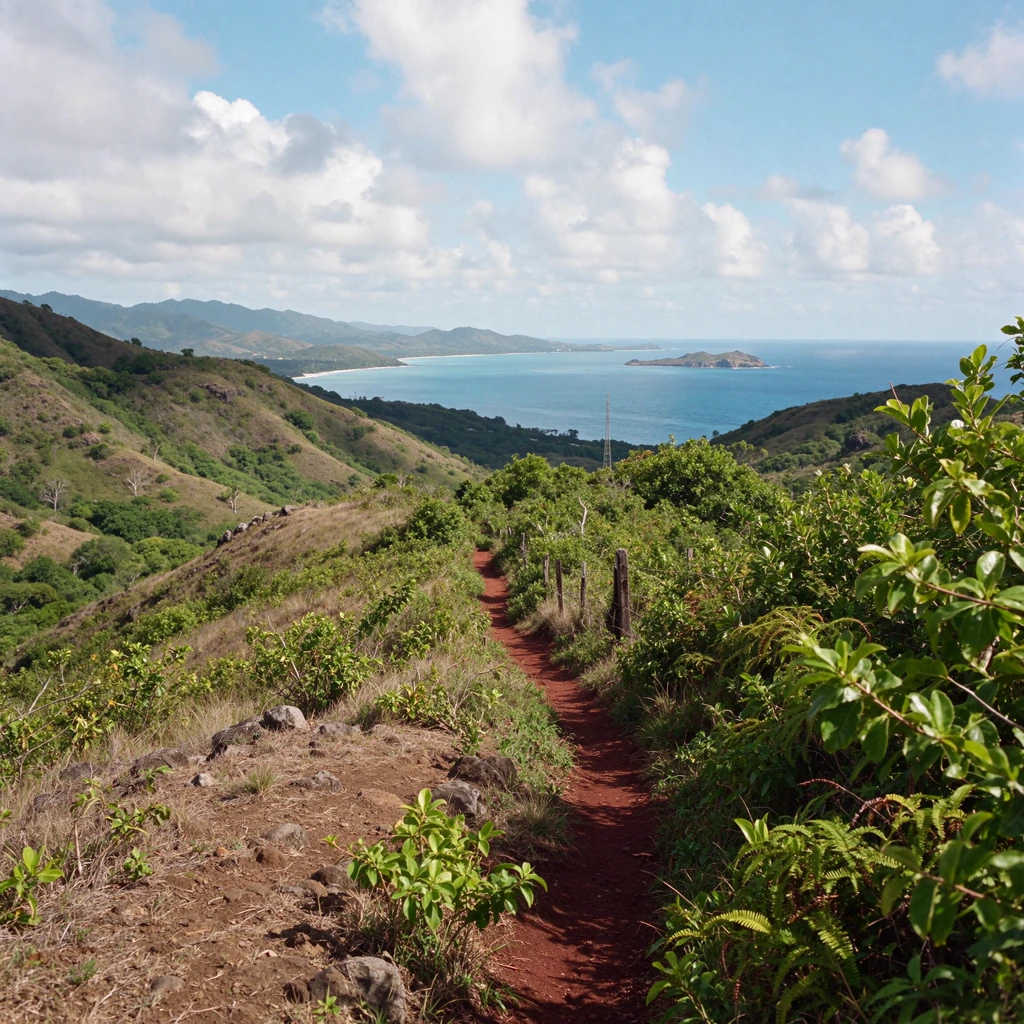
Stay on marked trails and keep away from unstable cliffs, stream crossings, and areas closed because of weather or maintenance. Flash flooding can occur, especially after heavy rain. Never cross a flooded roadway or stream if you cannot clearly judge its depth and current.
When taking photographs, pull fully off the road and remain aware of traffic behind you. The best Maui road safety practice is to enjoy the scenery from a safe location instead of trying to capture it while driving.
Parking, Weather, and Everyday Maui Road Safety
Driving in Maui often involves short trips between beaches, restaurants, grocery stores, trailheads, and accommodations. The island’s practical challenges are usually manageable when you slow down and plan around conditions.
Park legally and protect your rental car
Read signs carefully in beach parks, shopping areas, and residential neighborhoods. Some spaces have time limits, permit requirements, or restrictions during certain hours. Do not leave bags, electronics, luggage, or other valuables visible inside the vehicle. Even inexpensive items can attract attention, particularly at isolated trailheads and scenic stops.
Be cautious when parking near sand, mud, steep shoulders, or unpaved roads. A vehicle that appears capable of reaching a remote spot may still become stuck or sustain underbody damage. Economy and mid-size vehicles such as a Toyota Corolla, Toyota Camry, Honda CR-V, or Toyota RAV4 are practical for normal Maui travel, but they are not an invitation to drive off-road.
Adjust to rain, wind, and sun
Maui’s weather can vary from one side of the island to another. Rain may reduce visibility and make curves slick, while intense sun can create glare through the windshield. Keep headlights and windshield glass clean, use headlights when visibility is poor, and increase your following distance on wet roads.
Strong winds can affect high-profile vehicles, bridges, and exposed coastal roads. Keep both hands available for steering and avoid sudden lane changes. If a severe weather alert, road closure, or hazard is reported, follow instructions from local authorities rather than relying only on an older navigation route.
Finally, watch for pedestrians and cyclists near beaches, hotels, and town centers. Check carefully before opening a car door, and yield generously when people are crossing. Courtesy is especially important in busy visitor areas where travelers may be unfamiliar with the road layout.
Choosing a Practical Rental Car for Maui
The right rental car for Maui is usually the one that comfortably fits your passengers and luggage without adding unnecessary cost. Most visitors do not need a specialty vehicle for ordinary island travel. A fuel-efficient sedan is easy to park and generally economical for errands, town driving, and highway trips. A compact SUV can provide extra cargo room and a higher seating position for families or travelers carrying beach equipment.
That is why Maui Cruisers focuses on practical vehicles rather than novelty upgrades. The fleet includes the Toyota Corolla, Toyota Camry, Honda CR-V, and Toyota RAV4. These models are suited to everyday Maui driving, with useful fuel economy, straightforward handling, and space for normal vacation needs. They can also help keep daily or weekly transportation costs more manageable than premium specialty options.
When comparing an affordable Maui car rental, look beyond the headline daily rate. Consider the total rental length, fuel costs, insurance choices, taxes and fees, luggage capacity, and whether the vehicle suits your itinerary. Travelers staying for several weeks may find that a long-term car rental in Maui is more convenient and cost-effective than repeatedly arranging short rentals.
Maui Cruisers makes booking available online or by phone. If you have questions about vehicle size, rental length, or your planned route, you can communicate with the actual team by phone or text rather than relying on a chatbot or call center. That personal assistance can be helpful when your plans involve multiple destinations or a longer stay.
Conclusion: Drive Maui With Patience and Aloha
Following Maui driving etiquette is less about memorizing complicated rules and more about making thoughtful decisions. Obey posted limits, yield on narrow roads and one-lane bridges, park only where permitted, and never stop in traffic for a photograph. Give pedestrians, cyclists, residents, and emergency workers plenty of room, and adjust your plans when weather or road conditions change.
A reliable, economical rental car makes these habits easier to practice. Whether you need a Toyota Corolla for efficient everyday trips, a Camry for added passenger comfort, or a CR-V or RAV4 for extra room, Maui Cruisers can help you find an affordable option for your stay. Plan ahead, drive patiently, and contact the team directly when you need real guidance for your Maui rental.