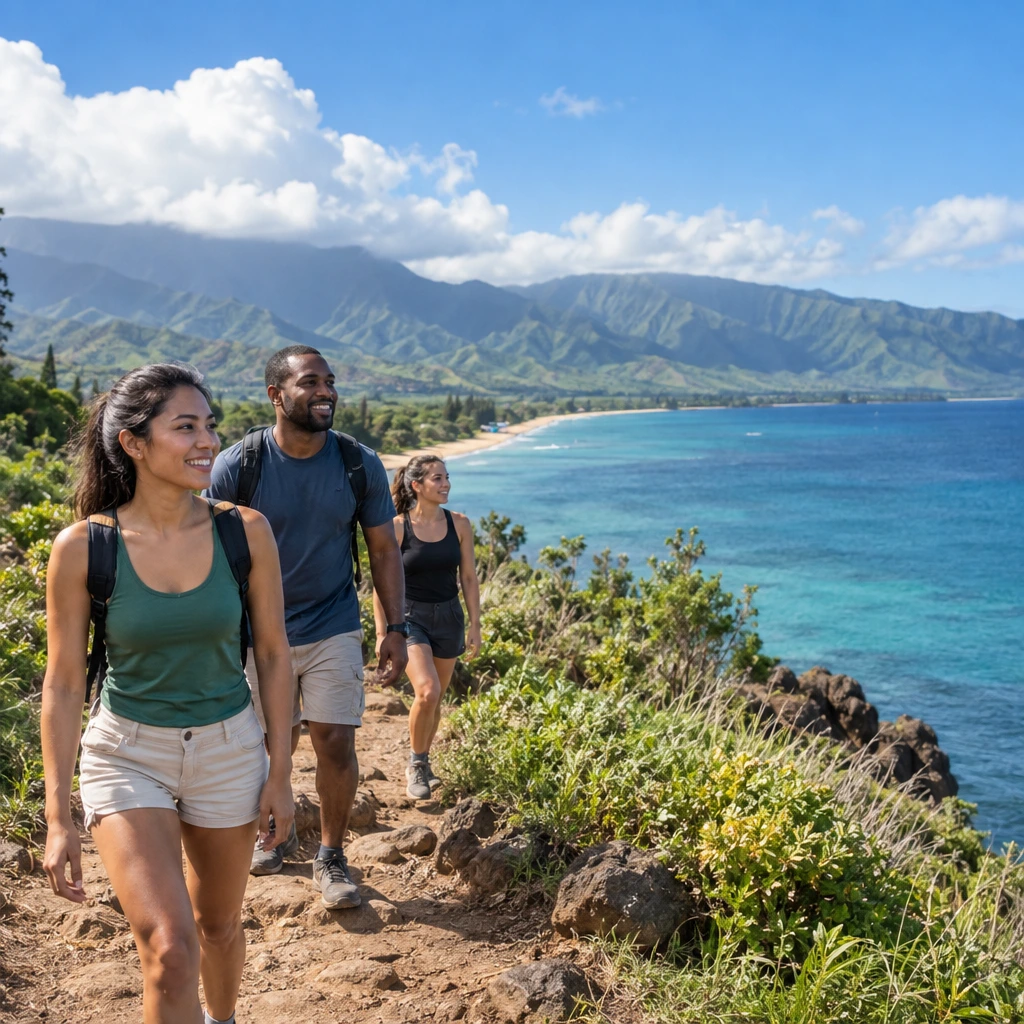
Maui is famous for scenic drives, remote beaches, and sunrise viewpoints, but you do not need to rent a car for every type of vacation. If your plans center on one resort area, relaxing at the beach, watching sunsets, and enjoying a few walkable attractions, you can experience plenty of free things to do in Maui without a car. The key is choosing the right base and understanding how far you can comfortably travel by foot, shuttle, bus, or rideshare.
This guide covers free and low-cost Maui activities that are realistic without a rental car, including beach walks, coastal trails, scenic viewpoints, cultural experiences, and budget-friendly transportation. It also explains when going car-free makes sense—and when an affordable Maui car rental can save time and make your trip more enjoyable. With a little planning, you can avoid paying for a vehicle you barely use while still having the option to explore more of the island when your itinerary calls for it.
Free Things to Do in Maui Without a Car: Best Activities by Area
The easiest way to enjoy Maui without a rental car is to stay near the activities you want to do. West Maui and South Maui have resort districts with beaches, restaurants, shopping areas, and walking paths close together. By contrast, many of Maui’s most famous attractions are spread across the island and require a car, an organized tour, or a more expensive private ride.
Enjoy Maui’s beaches
Maui’s beaches are generally free to access, although parking, equipment rentals, and certain resort services may cost extra. In West Maui, Ka’anapali Beach is easy to reach from nearby hotels and condominium properties. You can swim in calm conditions, walk along the shoreline, or watch the sunset without paying an admission fee. The paved beachwalk connects much of the resort area, making it one of the best options for Maui without a rental car.
In South Maui, Kamaole Beaches I, II, and III are close to Kihei accommodations and local restaurants. The beaches are popular for swimming, snorkeling when conditions are favorable, picnicking, and sunset viewing. Wailea also has a scenic coastal walkway linking several beaches and resort areas. It is especially pleasant in the early morning or late afternoon, when temperatures are cooler.
Walk coastal trails and scenic paths
The Kapalua Coastal Trail is another excellent free activity if you are staying in or near Kapalua. The trail passes beaches, lava-rock shoreline, tide pools, and dramatic ocean views. It is not a difficult hike for many visitors, but sections can be uneven, so wear sturdy shoes and bring water. In Kihei and Wailea, shoreline paths offer similar opportunities for photography, whale watching during winter, and quiet sunset walks.
Always check ocean conditions before swimming or entering the water. Maui’s beaches are beautiful, but currents and surf can change quickly. Free does not mean risk-free, so follow posted warnings and ask a lifeguard for local advice.
Budget Maui Activities That Cost Little or Nothing
Many of the most memorable Maui experiences are not ticketed attractions. You can spend a full day outdoors with a towel, water bottle, sunscreen, and a few snacks. These activities are particularly convenient when you are staying in a walkable neighborhood and do not want to arrange transportation.
Watch the sunrise, sunset, and night sky
Sunset is one of the simplest free things to do in Maui. Find a public beach or coastal viewpoint near your accommodation, arrive early, and settle in for the show. Ka’anapali, Kamaole Beach Park, Wailea Beach, and many other shoreline areas provide beautiful sunset views. Bring a light layer because breezy evenings can feel cooler than expected.
Sunrise is also free, although the famous summit of Haleakalā requires advance planning, a reservation for sunrise access, and transportation to the national park. Without a car, reaching the summit usually means booking a tour or arranging a private ride. Instead, consider watching sunrise from a nearby beach or coastal path. You will not get the summit’s volcanic landscape, but you can still enjoy a peaceful start to the day without an expensive excursion.
Look for whales and sea turtles
During whale season, typically from winter into spring, humpback whales can often be seen from shore. Bring binoculars if you have them and scan the water from beaches, coastal trails, and public viewpoints. Whale sightings are never guaranteed, but watching from shore is a free alternative to a boat tour.
Green sea turtles may also appear near Maui’s beaches and rocky shorelines. Observe them from a respectful distance, never touch them, and do not block their path to or from the ocean. Wildlife viewing is best when it does not disturb the animals.
Explore local markets and public spaces
Farmers markets can be inexpensive places to browse local produce, baked goods, flowers, and handmade products. You may not spend anything if you are only looking, although sampling and purchasing local food can quickly turn a free outing into a low-cost meal. Check current market schedules before setting out, since locations and hours can change.
Public parks are also useful for a budget Maui itinerary. Pack a picnic, read in the shade, or enjoy a casual afternoon near the water. Some parks have restrooms, showers, and picnic tables, making them practical stops between beach visits.
How to Get Around Maui Without a Rental Car
You can travel between some Maui communities without renting a vehicle, but transportation takes more planning than it does in a large city. The Maui Bus system serves several populated areas and is one of the most affordable options. Fares and routes can change, so check the current schedule before relying on a bus for an airport connection or time-sensitive reservation.
Use Maui Bus, resort shuttles, and walking routes
Maui Bus is most useful for local trips around areas such as Kahului, Kihei, and parts of West Maui. It may not be the fastest way to cross the island, but it can work well for grocery runs, beach access, and short sightseeing trips. Allow extra time, especially if you need to transfer or are carrying luggage.
Some hotels and resort areas provide complimentary shuttles to nearby shopping centers, beaches, or sister properties. These services vary by property and may operate on limited schedules. Ask your accommodation what is available before booking a taxi or rideshare.
Walking is often the best transportation option once you are in a concentrated resort area. Choose lodging near the beach, food, and grocery stores, then plan your days around nearby activities. This approach reduces transportation costs and avoids the frustration of waiting for a ride in hot or rainy weather.
Know when rideshares and tours make sense
Rideshares and taxis can fill gaps, but costs add up quickly for longer distances. A ride from the airport to a resort, followed by separate trips to restaurants and attractions, may eventually cost more than a short-term car rental. Surge pricing and limited driver availability can also make return trips uncertain.
For major attractions outside the resort districts, compare the cost of an organized tour with transportation for the entire day. A tour may be worthwhile for Haleakalā or the Road to Hana, since the driver handles navigation and parking. However, tours follow fixed schedules and do not offer the flexibility of stopping wherever you want.
Before choosing a car-free trip, make a simple transportation plan:
- Choose lodging within walking distance of a beach, restaurants, and basic groceries.
- Check current Maui Bus routes and operating hours.
- Ask your hotel about complimentary shuttles.
- Price airport transportation before your trip.
- Reserve tours or rides for attractions that are not served conveniently by public transportation.
- Build extra time into every travel day.
When You Do Need a Car in Maui
A car becomes much more useful when your plans extend beyond one resort area. Maui is geographically spread out, and public transportation does not reach every beach, trailhead, viewpoint, farm, or restaurant conveniently. If you want to see several regions during one trip, a rental can provide both flexibility and better value.
Activities that are difficult without a car
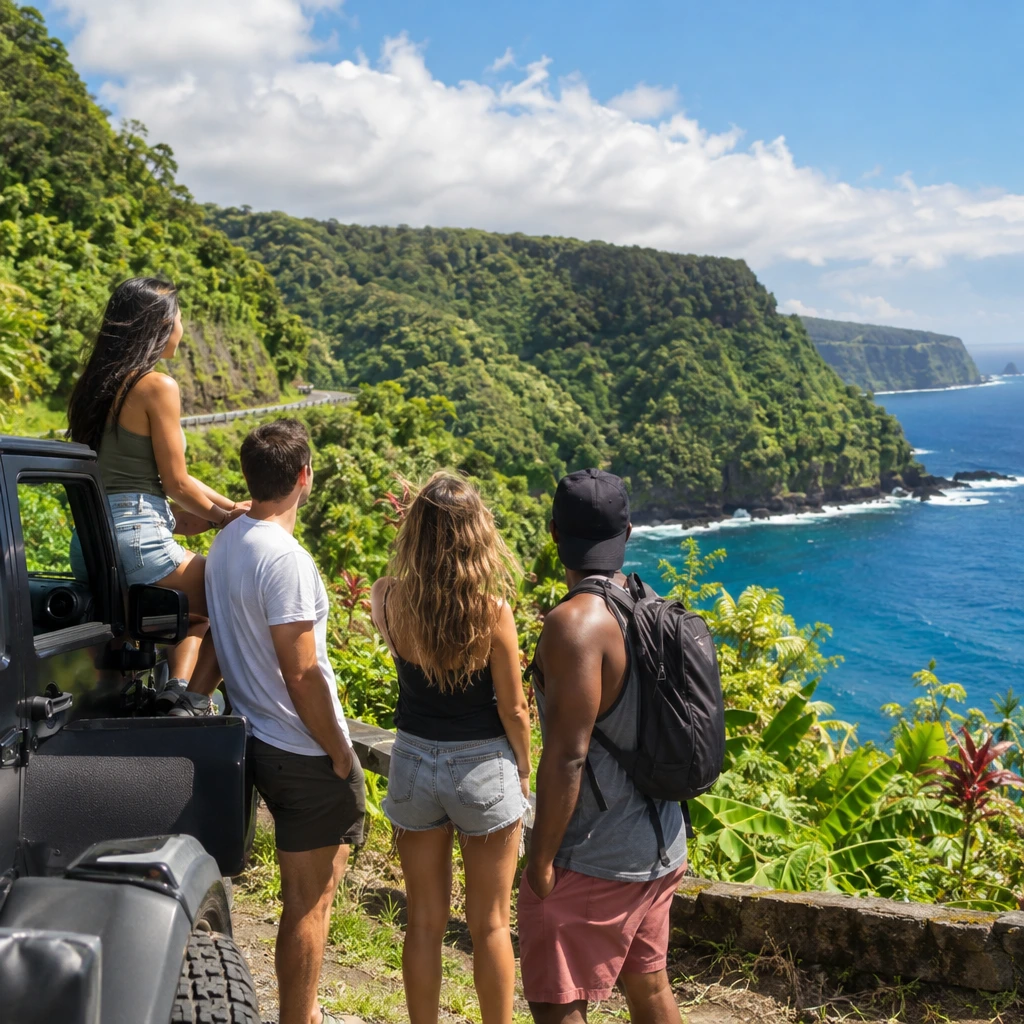
The Road to Hana is the clearest example. The route includes waterfalls, coastal viewpoints, botanical gardens, and small roadside stops scattered along a winding highway. Although guided tours are available, driving yourself allows you to set your own pace and choose stops that match your interests.
Haleakalā National Park is another destination where transportation matters. Reaching the summit before sunrise requires an early departure, and reservations may be required. A rental car gives you more control over timing, but visitors should drive carefully, prepare for changing weather, and follow all park regulations.
A car is also helpful for visiting multiple farmers markets, Upcountry Maui, lesser-known beaches, and restaurants outside the main resort zones. If you plan to combine West Maui, South Maui, Central Maui, and Upcountry in one itinerary, relying entirely on buses and rideshares can be inconvenient and expensive.
Choose practical transportation instead of paying for a novelty
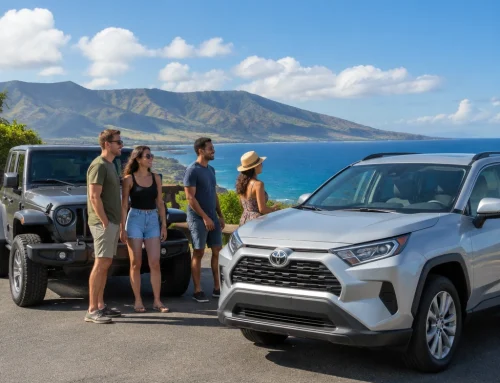
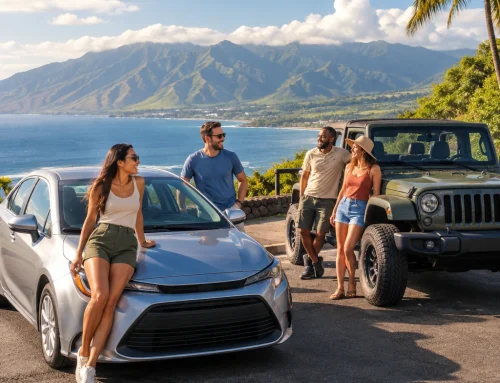
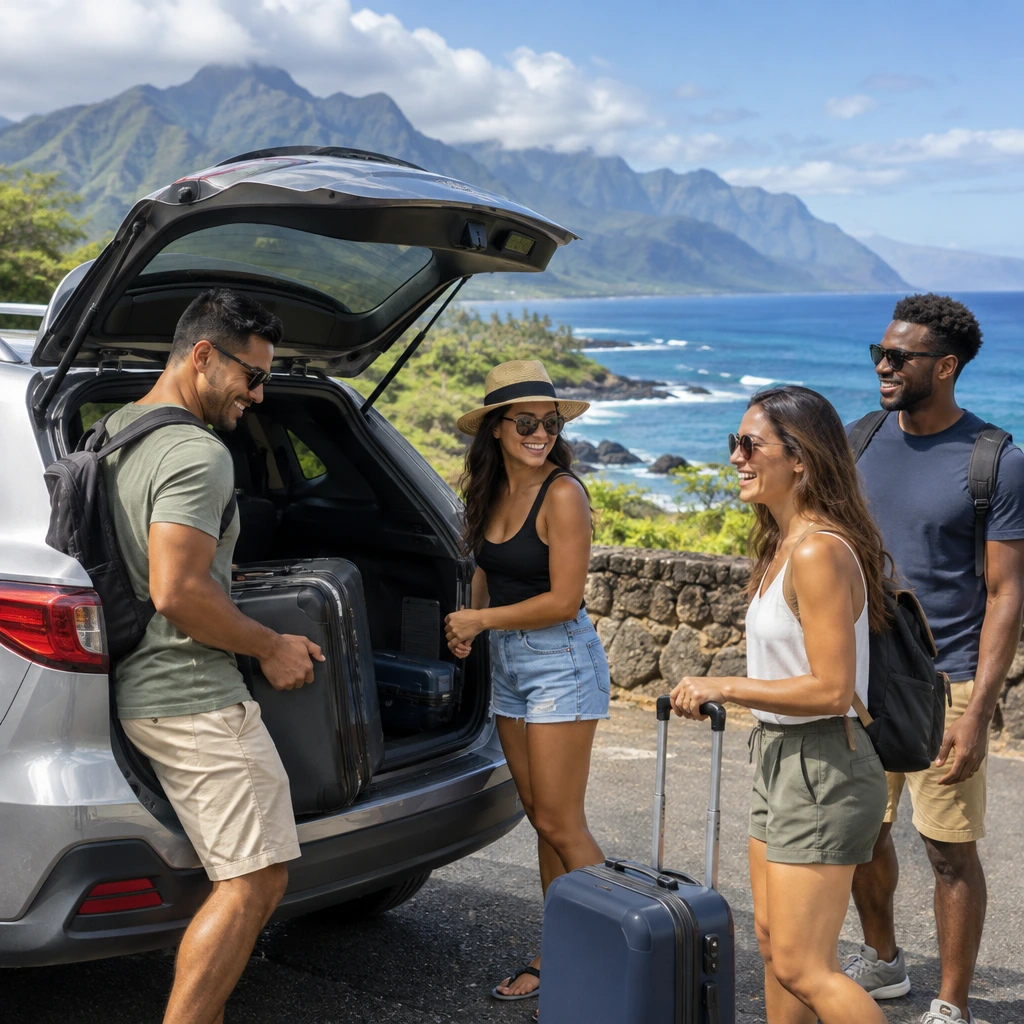
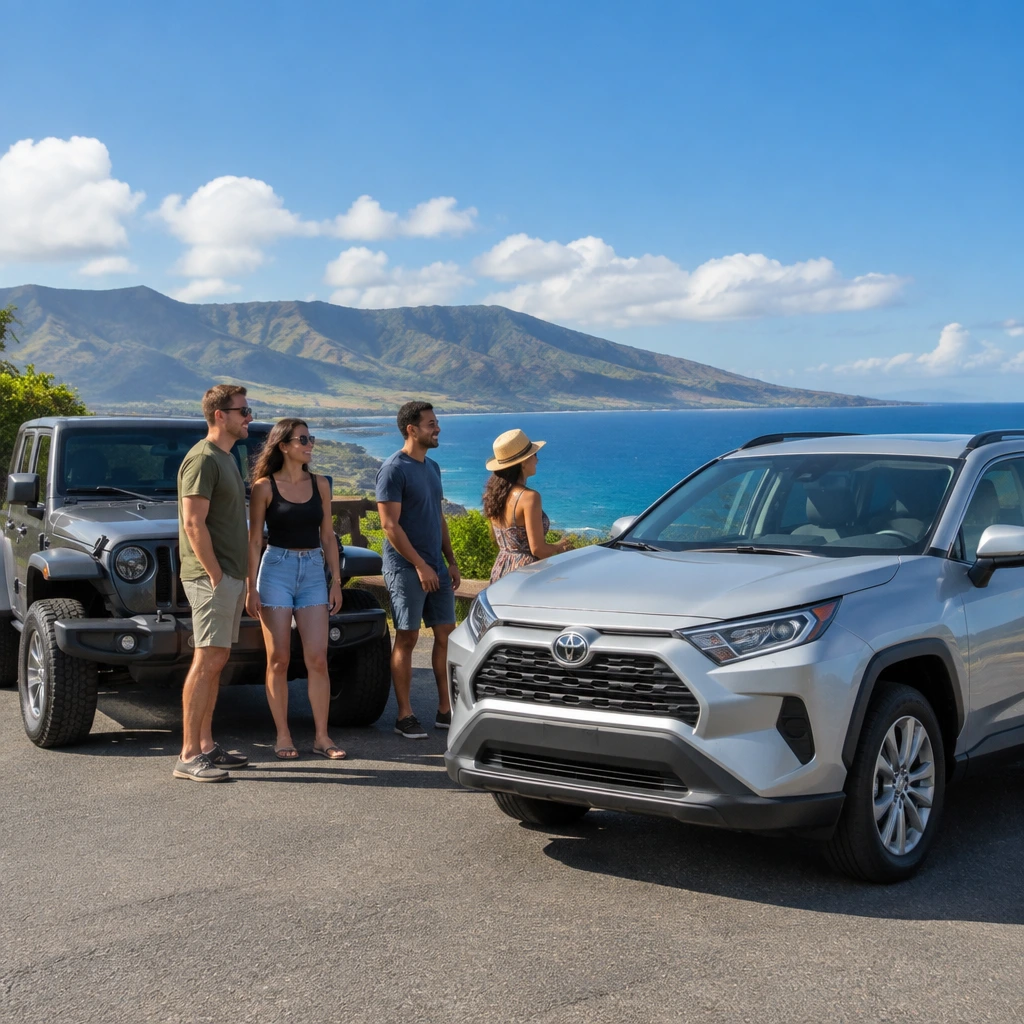
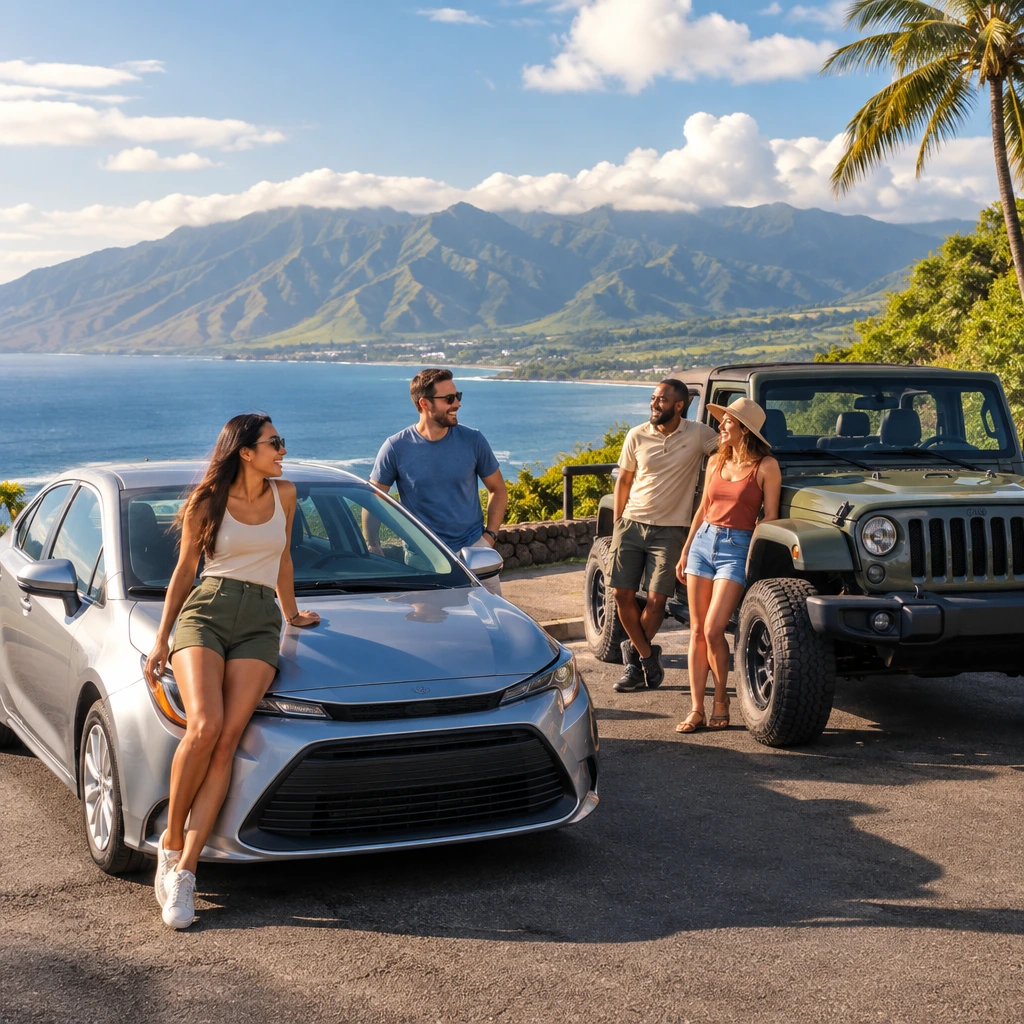
You do not need a specialized vehicle for ordinary Maui travel. An economy or mid-size rental such as a Toyota Corolla, Toyota Camry, Honda CR-V, or Toyota RAV4 is often a sensible choice for airport trips, beach days, groceries, scenic drives, and everyday errands. These vehicles are practical to park, generally fuel-efficient, and typically less expensive than paying a premium for a novelty vehicle.
If you only need a car for two or three days, rent for that portion of the trip rather than keeping one parked outside your hotel. On the other hand, travelers staying for a week or longer may find that a long-term car rental in Maui offers better overall value, especially when compared with repeated rideshares and tours.
Conclusion: Is Maui Without a Rental Car Right for You?
You can enjoy a relaxing, affordable Maui vacation without a rental car if you stay in a walkable resort area and focus on beaches, sunsets, coastal trails, public parks, and nearby dining. These free things to do in Maui provide plenty of ways to fill your itinerary without paying for a vehicle every day.
However, a rental becomes worthwhile when you want to explore the Road to Hana, visit Haleakalā, combine multiple regions, or reach attractions beyond bus routes. The most economical approach may be a hybrid plan: spend several car-free days near your hotel, then book an affordable Maui car rental for the days when you need greater range and flexibility.
Maui Cruisers offers practical economy and mid-size vehicles, including Corollas, Camrys, CR-Vs, and RAV4s, with affordable options for longer stays. You can contact the real Maui Cruisers team by phone or text to discuss your plans—no chatbot or automated agent required—and choose transportation that fits your itinerary and budget.