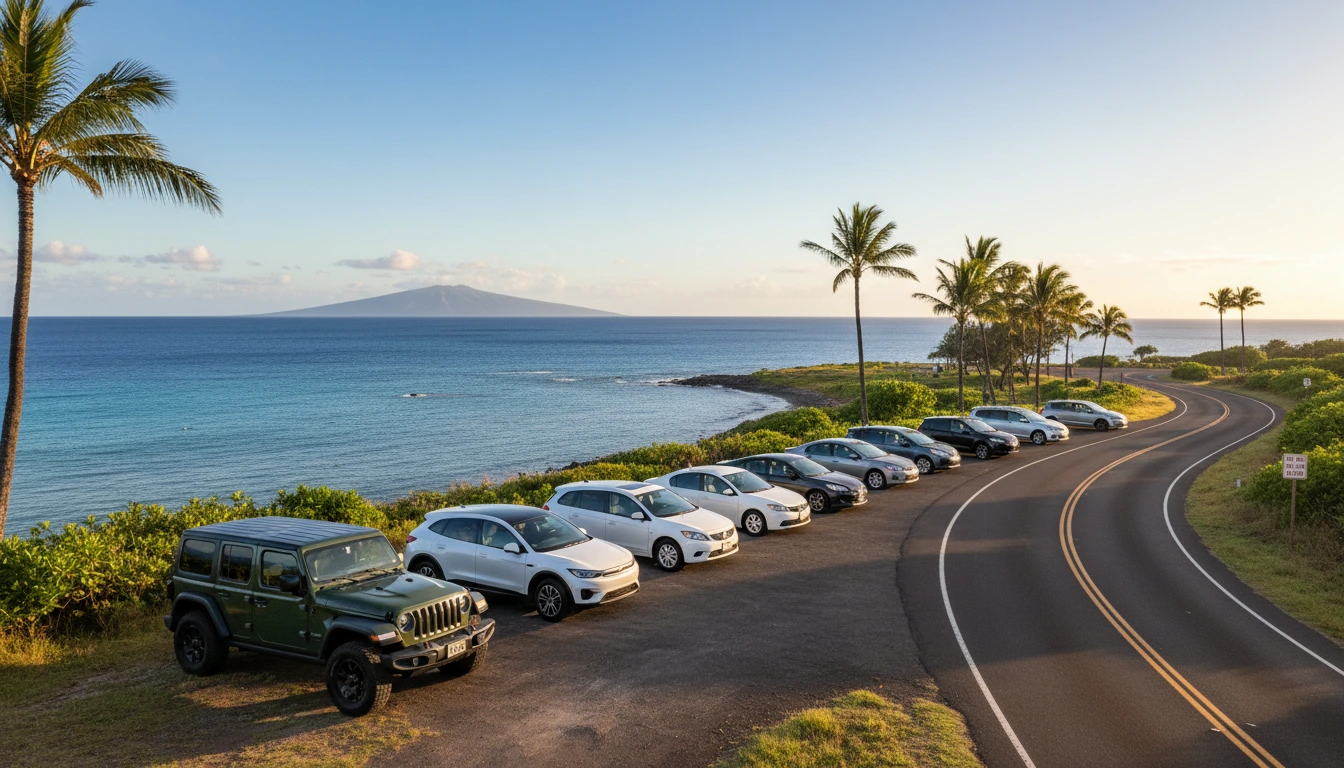
Planning an extended stay in the islands means your transportation needs may be very different from those of a weekend visitor. Maui long-term car rentals can provide the flexibility to commute, explore beaches, shop for groceries, and enjoy scenic drives without the cost or commitment of owning a vehicle. However, choosing the right rental is about more than finding the lowest advertised daily rate. Vehicle size, luggage capacity, fuel economy, insurance, mileage terms, and the length of your reservation can all affect the true value.
Whether you are working remotely in Kihei, staying with family in Lahaina, relocating temporarily, or taking a slower-paced island vacation, the right car makes daily life easier. This guide explains how to compare long-term car rentals Maui options, select a practical vehicle for local roads, manage costs, and avoid common booking surprises. It also shares useful Maui travel tips so you can spend less time worrying about transportation and more time enjoying your stay.
Why Maui Long-Term Car Rentals Make Sense for an Extended Stay
For a stay of several weeks or more, relying on rideshares, taxis, shuttles, and occasional day rentals can quickly become inconvenient and expensive. A long-term rental gives you consistent access to transportation and lets you plan your days around your own schedule. You can pick up groceries, visit multiple beaches, attend appointments, or take an early morning drive without waiting for a driver or arranging another reservation.
Flexibility for work, travel, and everyday errands
Maui is geographically diverse, and popular communities are spread across the island. A visitor staying in Kihei may want to work from a vacation rental, visit Wailea, and explore Upcountry Maui. Someone based near Kapalua may need regular trips to grocery stores, restaurants, or appointments farther south. While public transportation serves parts of the island, routes and schedules may not match every itinerary.
A personal rental vehicle is especially helpful when traveling with children, mobility equipment, beach supplies, or remote-work gear. It also makes it easier to change plans when weather shifts or an attraction becomes crowded. Instead of paying for a separate rental every few days, a longer reservation can simplify budgeting and reduce administrative hassle.
Look beyond the daily rate
When comparing affordable car rentals Maui providers, calculate the complete cost rather than focusing only on the headline price. Ask whether the quote includes taxes, fees, authorized drivers, mileage, and required coverage. A slightly higher base rate may represent better value if it includes useful mileage terms or a more convenient pickup process.
- Compare the total rental price for your full stay.
- Confirm whether mileage is unlimited or restricted.
- Review the deposit, payment, cancellation, and extension policies.
- Ask about additional driver fees and age requirements.
- Check what happens if you need to return the vehicle early or keep it longer.
Maui Cruisers makes it easy to inquire about longer rentals online or by phone. Speaking with a rental specialist can be useful when your dates are flexible or when you need help matching a vehicle to your plans.
Vehicle Selection Maui Travelers Should Consider
The best vehicle selection Maui travelers can make depends on how they plan to use the car. A compact vehicle may be ideal for a couple who mainly needs transportation between accommodations, restaurants, and beaches. A midsize sedan can provide extra comfort for longer drives, while an SUV may be a better fit for families, larger groups, or travelers carrying substantial equipment.
Choose based on passengers and luggage
Start with the people and items you expect to carry most often. Count child seats, suitcases, coolers, beach chairs, groceries, and work equipment—not just passengers. A vehicle that seems sufficient at the airport may feel cramped after adding luggage and daily supplies.
For one or two travelers, an economy or compact car generally offers easy handling and good fuel efficiency. Couples who want more trunk space may prefer a midsize sedan. Families often benefit from a crossover or SUV, particularly when they plan to travel with strollers, sports equipment, or extra beach gear. If you are traveling with a larger group, ask about seating comfort and cargo access rather than relying only on the stated passenger capacity.
Think about comfort, efficiency, and road conditions
Fuel prices and driving distances matter during a longer stay. A fuel-efficient car can help control ongoing expenses, especially if you expect regular trips between West Maui, South Maui, Central Maui, and Upcountry communities. At the same time, the smallest vehicle is not always the best choice if you will spend many hours driving or need extra ground clearance for your planned activities.
Consider how often you will drive at night, whether you are comfortable with narrow or winding roads, and whether your accommodations have limited parking. You should also ask about features such as air conditioning, Bluetooth connectivity, backup cameras, and automatic transmission if those conveniences are important to you. A clear discussion with the rental company before booking can prevent an uncomfortable mismatch.
Maui-Specific Driving Considerations for a Longer Rental
Maui rewards curious travelers, but island driving requires awareness and patience. Distances can appear short on a map while taking much longer because of traffic, winding roads, construction, weather, or limited passing opportunities. Building extra time into your plans is one of the most practical Maui travel tips for an extended stay.
Plan carefully for popular routes
The Road to Hana is a good example. The route is known for lush scenery, waterfalls, bridges, and tight curves. Drivers should check current conditions, confirm whether their rental agreement permits travel on the intended roads, and avoid rushing. Many visitors choose to make the drive a dedicated day trip rather than combining it with unrelated activities.
Similarly, Haleakalā National Park involves elevation, changing temperatures, and an early start for sunrise reservations when applicable. Fuel up before heading toward remote areas, bring layers, and check official park information before departing. Weather can change quickly at higher elevations, so a vehicle with dependable climate control and enough room for warm clothing is helpful.
Respect local roads and communities
On Maui, some roads pass through residential areas or small communities where local traffic, pedestrians, cyclists, and agricultural vehicles share limited space. Follow posted speed limits, allow faster traffic to pass when safe, and never stop in a travel lane to take photographs. Avoid blocking driveways, viewpoints, or narrow shoulders.
Parking rules also deserve attention. Popular beaches, trailheads, and shopping areas may fill early, while some accommodations have assigned spaces or vehicle-size restrictions. Always read signs and confirm parking details with your lodging provider. In addition, never leave valuables visible inside a parked car, even during a short stop.
Before collecting the vehicle, inspect it with the rental representative and take timestamped photos of existing marks. Save the agreement, emergency contact information, and return instructions on your phone. These simple steps create a smoother experience during a multi-week rental.
How to Find Cheap Car Rentals Maui Visitors Can Trust
Searching for cheap car rentals Maui travelers can rely on requires balancing price, transparency, and service. The cheapest initial quote may not remain the cheapest after taxes, optional products, mileage limits, and extension charges are added. Compare like-for-like offers and make sure the vehicle category meets your needs.
Questions to ask before booking
For a long reservation, small policy details can have a noticeable effect. Before confirming, ask:
- What is the exact total cost for my dates?
- Are there mileage limits or geographic restrictions?
- What insurance or protection options are available?
- Can I add a driver, and is there an extra charge?
- What is the process for extending the rental?
- How are maintenance concerns, flat tires, or roadside issues handled?
- Where and when do I return the vehicle?
It is also wise to verify the fuel policy. Some agreements require the car to be returned with the same fuel level, while others offer prepaid fuel options. For an extended stay, returning the vehicle in accordance with the stated policy is usually the simplest way to avoid additional charges.
Why local service can be valuable
A local company may understand the practical needs of people staying on Maui for longer periods, including flexible timing, island-specific driving questions, and repeat customer concerns. Maui Cruisers is known for affordable, long-term rental options and offers booking support online and over the phone. That combination can be useful if you prefer to discuss your dates and vehicle needs with a real person before committing.
Read the rental agreement carefully, regardless of the company you choose. Reputable service means clear expectations on both sides. Keep copies of confirmations and ask for clarification whenever a fee, coverage term, or road restriction is unclear.
Preparing for a Comfortable Extended Stay
Once you have chosen a vehicle, a little preparation can make the rental more convenient. Create a small driving kit with reusable shopping bags, a phone charger, water, sunscreen, and a compact cooler if permitted. Keep the interior tidy and avoid storing wet towels or sandy equipment inside the car. This is especially important when the vehicle will be your transportation for several weeks.
Map out essential destinations near your accommodation before arrival. Identify grocery stores, fuel stations, pharmacies, beaches, and medical facilities. If you are working remotely, test your route to coworking spaces or meetings at the time of day you expect to travel. Traffic patterns can vary, so an itinerary that looks easy at midday may take longer during commuter hours.
Drivers should also plan fuel stops before remote excursions. Do not assume every route will have frequent services, particularly when traveling toward Upcountry areas or along scenic roads. Download directions or save important locations in advance in case mobile service is limited.
Finally, treat the vehicle as part of your overall accommodation budget. A fuel-efficient model, sensible itinerary, and longer rental rate can work together to make transportation more affordable. With the right preparation, a rental car becomes more than a way to reach attractions—it provides independence for daily island life.
Conclusion: Choose the Right Long-Term Rental for Your Maui Stay
The right long-term vehicle should match your passengers, luggage, driving plans, budget, and comfort preferences. Compact cars can be economical and easy to park, while sedans, crossovers, and SUVs may provide the additional room needed for families or frequent island excursions. Comparing total costs, mileage, policies, and support is the best way to find genuine value.
From Hana’s winding roads to Haleakalā’s high elevation and the busy beach communities of South and West Maui, thoughtful planning makes driving more enjoyable. If you are comparing affordable car rentals Maui options, contact Maui Cruisers online or by phone to discuss your dates and vehicle needs. A well-chosen rental can make an extended Maui stay simpler, more flexible, and far more comfortable.