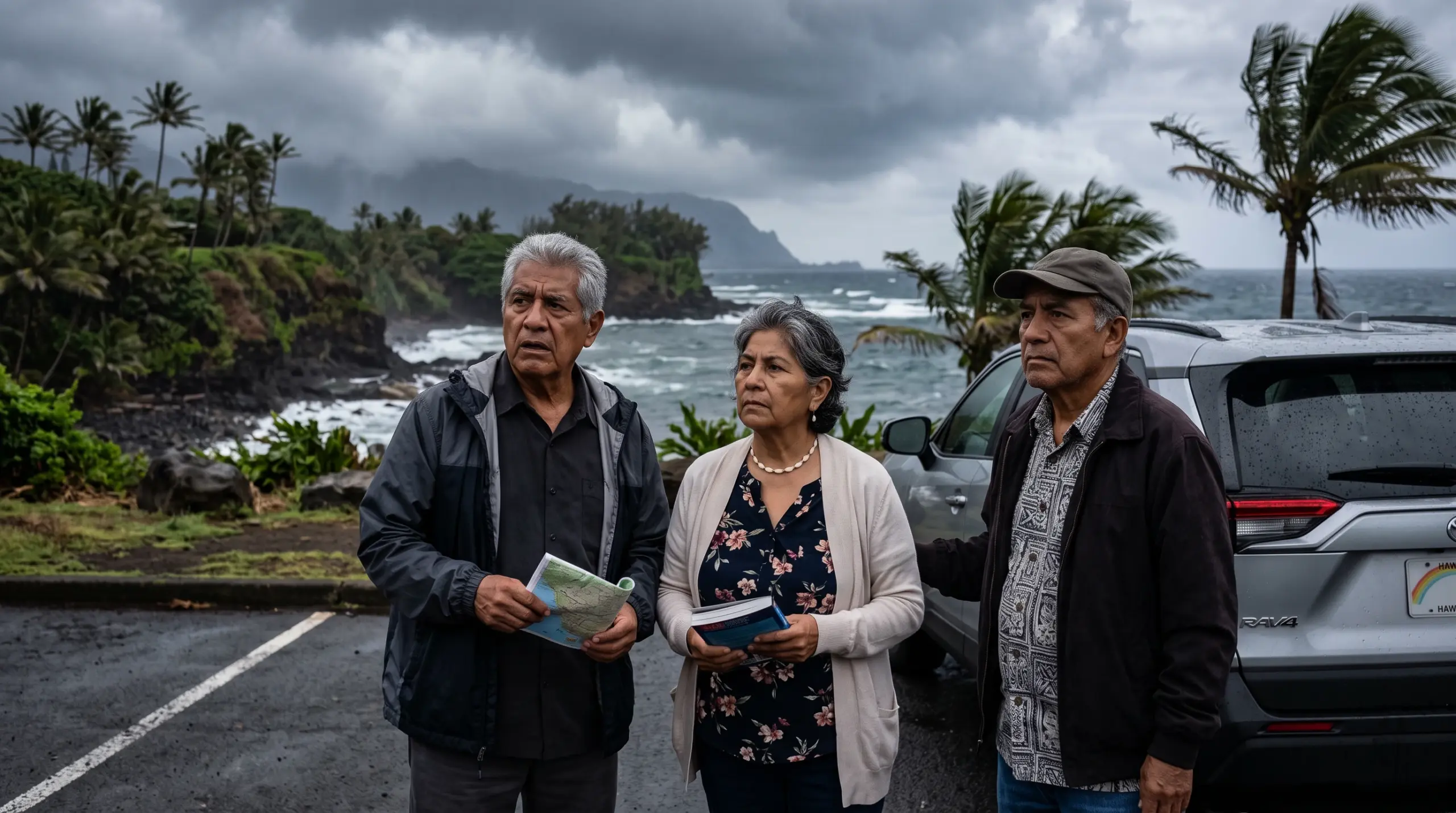
Booking a rental car during Maui’s storm season can feel uncertain. Will rates drop closer to arrival? Could a tropical storm disrupt airport pickup? Is it safer to reserve early, or wait for a last-minute deal? The good news is that travelers can often find value without taking unnecessary risks. With the right timing, flexible dates, and a clear understanding of cancellation policies, Hurricane Season Car Rental Deals can make a Maui trip more affordable. This guide explains how hurricane season works in Hawaii, what affects rental car pricing, how to compare protection and flexibility, and why a local company such as Maui Cruisers can be a practical choice for travelers who need dependable transportation for several days, weeks, or longer.
How Hurricane Season Car Rental Deals Work in Maui
Hawaii’s official Central Pacific hurricane season runs from June 1 through November 30. Tropical systems can occur outside those dates, but the greatest planning attention is generally needed during the summer and early fall. The National Hurricane Center’s Central Pacific Hurricane Center information explains that tropical cyclones can occur year-round, even though the official season has defined dates.
For Maui visitors, “storm season” does not mean that a hurricane is continuously affecting the island. Most trips take place without a major weather disruption. However, tropical moisture can bring heavy rain, strong winds, flash flooding, high surf, or temporary road closures. Those conditions can influence both vehicle availability and the cost of transportation.
Rental prices are determined by supply, demand, vehicle type, rental length, airport activity, local events, and booking timing. A storm forecast may cause some travelers to cancel, potentially creating short-term availability. At the same time, a storm can reduce inventory if vehicles need to be relocated, protected, inspected, or kept away from affected roads. Therefore, cheap car rentals during storms are never guaranteed.
The best strategy is to look for value and flexibility rather than simply chasing the lowest advertised daily rate. A slightly higher rate with a longer cancellation window, clear roadside assistance, and a local team that can communicate quickly may be the better deal if weather conditions change.
Why September can be a smart time to compare rates
September is often included in late-summer travel planning, and it falls within the period when Central Pacific tropical activity deserves attention. A NOAA hurricane reference notes that most Central Pacific hurricanes occur in July, August, and September, although activity varies significantly from year to year.
That makes Maui rental car deals September searches worthwhile, especially for travelers with flexible schedules. Compare several rental lengths, check weekday and weekend pricing, and ask whether extending the reservation lowers the effective daily cost. A local Maui rental company may also be able to offer more practical options for longer stays than a national airport counter.
When to Book a Rental Car for Maui Storm Season
There is no single booking day that guarantees the lowest rate. Instead, use a two-stage approach: reserve a suitable vehicle early, then continue monitoring the reservation if the terms allow changes or cancellation.
Reserve early when your plans are fixed
Early booking is usually sensible when you need a specific vehicle class, have an early-morning arrival, are traveling with children, or plan to stay in an area where alternative transportation is limited. It also reduces the risk of arriving during a busy period and finding only expensive or unsuitable vehicles.
For longer rentals, early planning is especially useful. Maui Cruisers specializes in affordable long-term car rentals, making it possible to request transportation for an extended stay instead of repeatedly renewing short reservations. Long-term pricing can simplify budgeting and reduce the hassle of searching for a new vehicle every few days.
Use flexible reservations to keep watching the market
Before paying, review the cancellation and modification terms carefully. Confirm whether the reservation is refundable, whether changes require a fee, and whether the quoted rate includes taxes, fees, mileage limits, and protection products. If you find a lower total price later, a flexible reservation may allow you to rebook without losing your original option.
Travelers searching for tropical storm car rental prices should also compare the full trip cost, not just the base rate. A low daily price may become less attractive after airport surcharges, additional-driver fees, fuel charges, and optional coverage. Conversely, a local rental provider with straightforward terms may deliver better value even if the headline price looks different.
- Book a vehicle that meets your actual transportation needs.
- Confirm cancellation, extension, and weather-related policies.
- Compare the complete estimated total, including taxes and fees.
- Check the forecast and official travel advisories as your trip approaches.
- Call the rental company if a storm may affect pickup, return, or road access.
Waiting until the last minute can work for travelers with highly flexible plans, but it carries more risk. Last-minute Maui car rentals may be available after cancellations, yet inventory can also disappear quickly if many visitors extend reservations or need replacement transportation. If a vehicle is essential to your itinerary, booking a flexible option earlier is generally more reliable than hoping for a last-minute discount.
How to Rent Safely When a Storm Is Forecast
A rental car can be useful during unsettled weather, but it is not a substitute for following emergency guidance. Before driving, check official forecasts, road conditions, and local alerts. Maui County’s emergency information warns that travel during a hurricane can be extremely dangerous and advises people not to go sightseeing during an emergency.
The Maui County emergency preparedness guidance also recommends keeping a vehicle’s fuel tank at least three-quarters full before a disaster. That is particularly important on an island, where fuel deliveries, port activity, power outages, and road closures can affect access to supplies.
Before you pick up the vehicle
- Check the latest National Weather Service and Central Pacific Hurricane Center updates.
- Ask whether the pickup location is operating normally.
- Confirm the return procedure if flights, ferries, or roads are disrupted.
- Save the rental company’s phone number in your phone before leaving the counter.
- Inspect the vehicle and photograph existing damage at pickup.
If authorities advise residents and visitors to shelter in place, avoid unnecessary driving. Do not drive through flooded roads, around barricades, or near downed power lines. Heavy rain can create hazardous conditions even when a storm center remains far from Maui.
Choosing a practical vehicle
For ordinary Maui travel, a compact or midsize car is often sufficient and can help control fuel costs. If you are carrying surfboards, several large suitcases, or outdoor equipment, choose enough cargo space rather than selecting the smallest possible vehicle. During wet weather, good visibility, functioning windshield wipers, and properly maintained tires matter more than appearance or luxury features.
It is also wise to keep your itinerary adaptable. A storm may make one part of the island temporarily inaccessible while other areas remain open. A rental car can provide flexibility, but only when used according to official instructions and current road conditions.
What Maui Travelers Should Know About Weather-Related Changes
Storm-related transportation decisions can change quickly. A rental company may need to adjust pickup times, vehicle locations, or return instructions. Airports may experience delays, and roads can be affected by flooding, landslides, debris, or emergency operations. Ask direct questions rather than assuming that a standard cancellation policy covers every situation.
Important questions include:
- Can I move my pickup date without paying a change fee?
- What happens if my flight is canceled or diverted?
- Can I extend the rental if I cannot leave Maui on schedule?
- Where should I return the car if the regular location closes?
- Are roadside assistance and towing available during severe weather?
Do not rely solely on social media posts or unofficial storm maps. Use official announcements from Maui County, the National Weather Service, the Central Pacific Hurricane Center, and your airline. Maui County maintains an official emergency preparedness page covering hurricanes, wildfires, tsunamis, and floods.
Travelers should also remember that Maui has experienced serious disaster impacts in recent years. The National Park Service records that wildfires beginning August 8, 2023, affected Maui and other Hawaiian islands. That event was not a hurricane, but it demonstrated why visitors should respect local advisories, changing road conditions, and community recovery needs. The National Park Service’s Hawaii wildfire information provides historical context and official travel-related resources.
When a storm is approaching, responsible travel means prioritizing safety over sightseeing. If your route crosses an area under evacuation guidance or emergency restrictions, contact your rental company and lodging provider for instructions. A good rental experience includes knowing when not to drive.
Why Maui Cruisers Can Be a Good Choice for Longer Stays
Travelers looking for cheap car rentals in Maui often focus on a short daily rate. However, the best value may come from matching the rental term to the trip. Someone staying for three weeks, working remotely, visiting family, or needing transportation after relocating may save time and simplify planning with a long-term rental.
Maui Cruisers is a Maui-based car rental company known for affordable long-term car rentals. Customers can book online or call by phone, which is helpful when plans need to be discussed in detail. A direct conversation can clarify vehicle availability, rental duration, pickup timing, extension options, and what to do if weather disrupts the original itinerary.
Before booking, provide accurate information about your dates and intended use. If you expect to extend your stay, mention that upfront. Ask for the total price, included mileage, deposit requirements, insurance or protection options, and procedures for returning the vehicle. Clear answers make it easier to compare a local provider with other options.
For travelers evaluating hurricane season car rental Maui options, affordability should be balanced with communication and flexibility. A company that can answer questions before arrival may be more useful than a reservation that only appears inexpensive online. This is particularly true during September, when visitors may be monitoring weather forecasts while also trying to protect their travel budget.
Conclusion: Book Flexible Maui Transportation With Confidence
Hurricane season does not automatically mean expensive rental cars or canceled Maui vacations. It does mean travelers should plan with more care. Compare total prices, consider a longer rental period, read the cancellation policy, and monitor official forecasts instead of relying on assumptions. If you need transportation for more than a few days, ask about long-term rates rather than accepting a standard daily price.
For affordable, practical transportation, Maui Cruisers makes it easy to request a rental online or by phone. Whether you are comparing September rates, planning around a tropical weather forecast, or searching for a dependable long-term vehicle, start early enough to preserve your options. Then stay flexible, follow Maui County guidance, and remember that the best hurricane season car rental deal is one that combines a fair total price with safety, clear communication, and a plan for changing conditions.