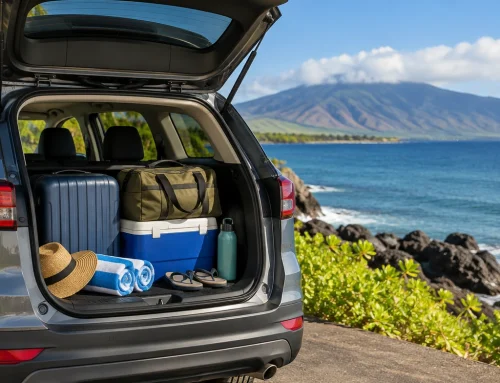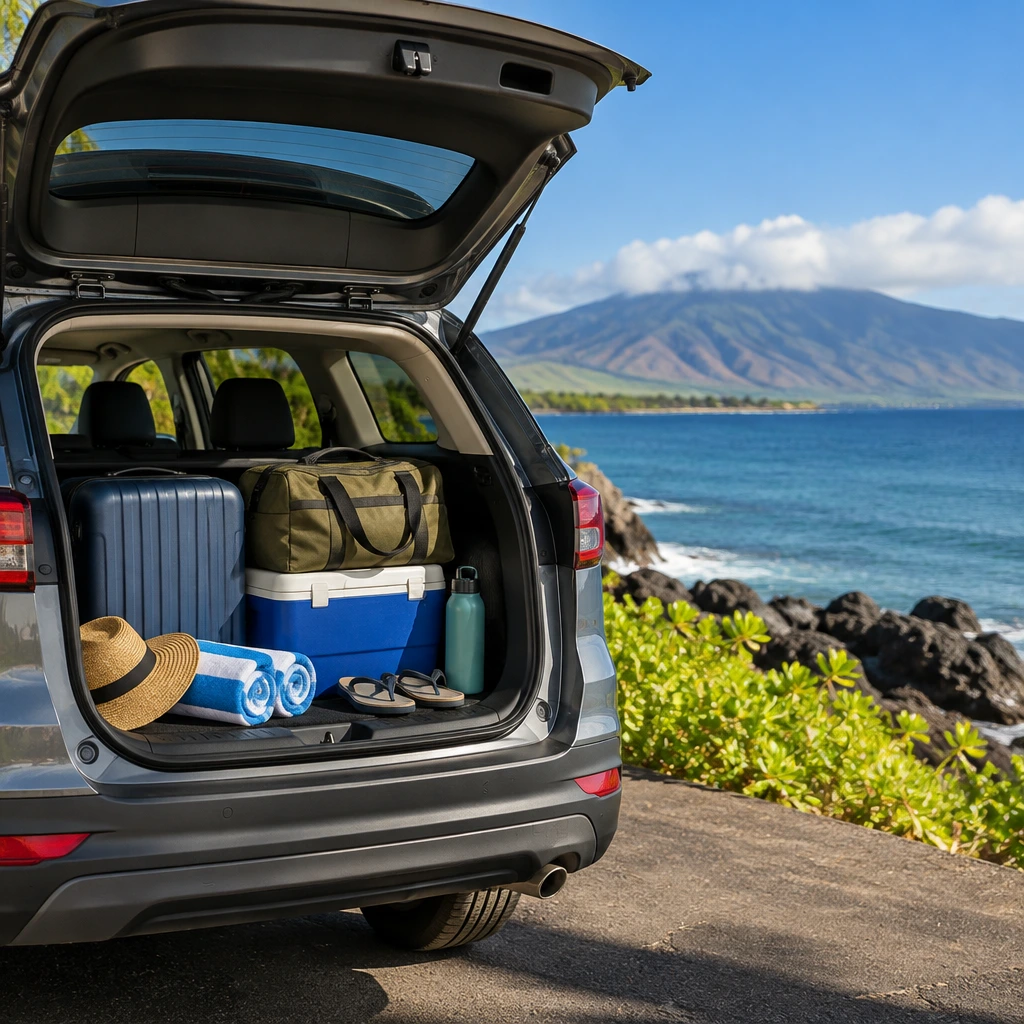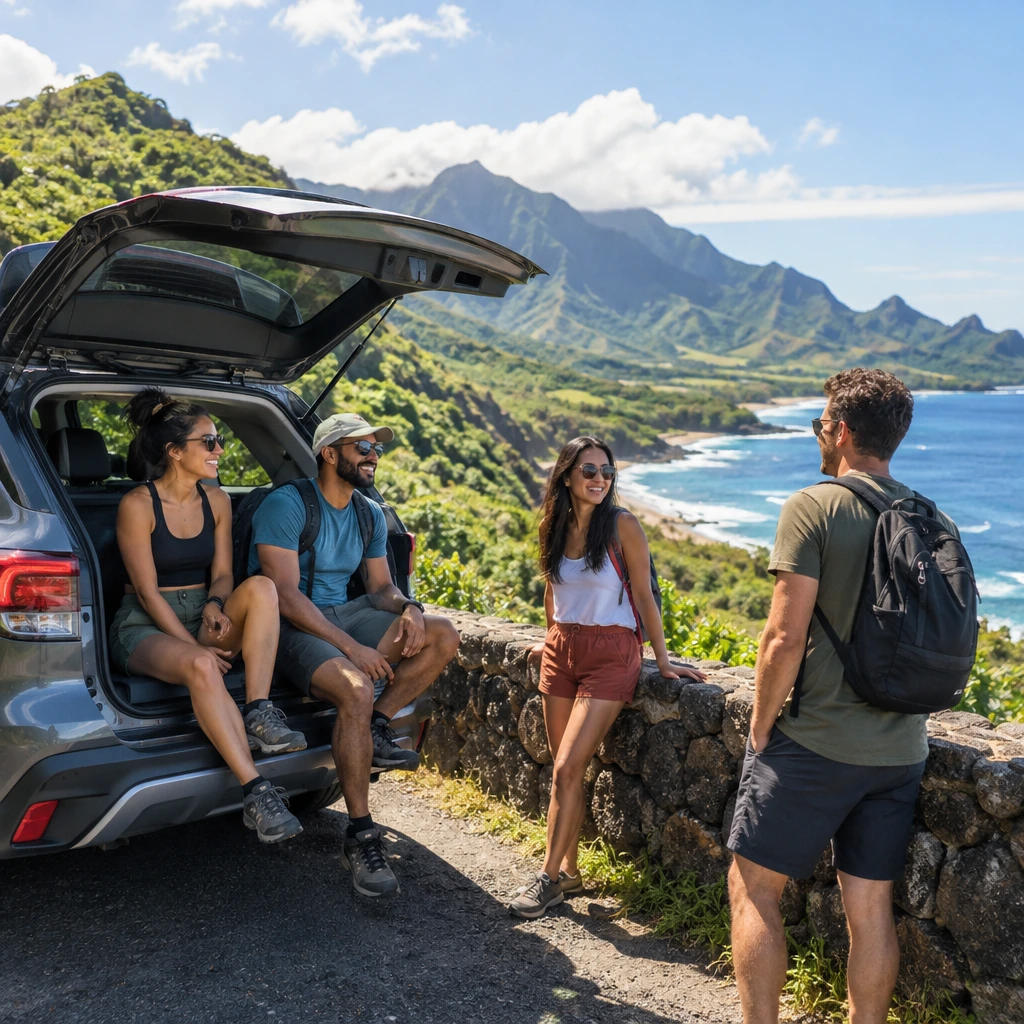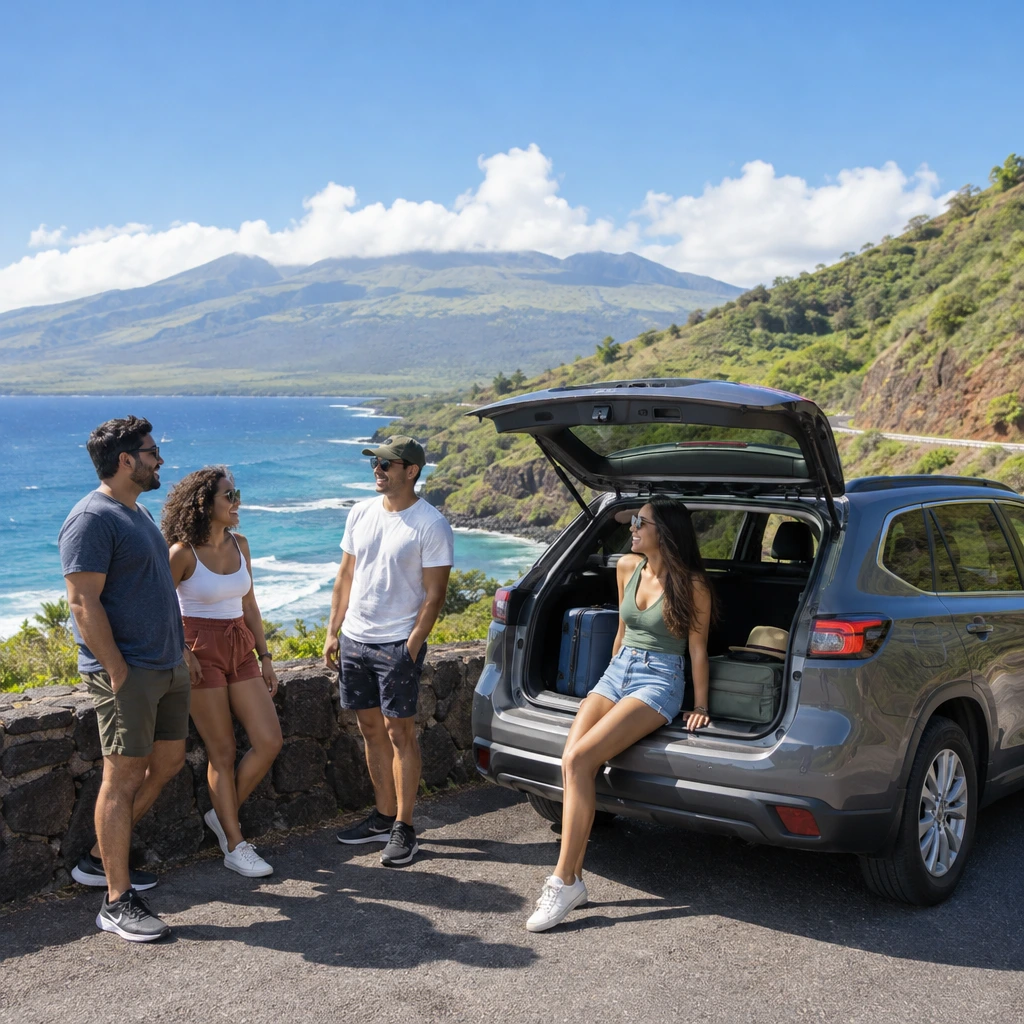
Do you need a car in Maui? For many visitors, the answer is yes—especially if you want to explore beyond your resort, drive the Road to Hana, visit scenic overlooks, or reach beaches and restaurants spread across the island. Maui is beautiful, but it is also geographically spread out, and public transportation does not connect every destination conveniently. Rideshares and taxis can work for short trips, yet costs can add up quickly when you are traveling between towns or making several stops in one day.
This Maui transportation guide explains when renting a car makes sense, when you may be able to skip one, and how to keep your transportation costs under control. You will learn about airport arrivals, resort areas, road trips, parking, fuel, and practical rental options. We will also cover why an affordable Maui car rental—whether for a few days, a week, or a longer stay—can provide better value and flexibility than relying on one-off rides.
Do You Need a Car in Maui? It Depends on Your Itinerary
The right answer depends less on where you sleep and more on what you plan to do. A visitor spending nearly the entire trip at a resort may manage without a rental car. However, travelers who want to experience several parts of the island will usually find that having their own vehicle saves time, simplifies logistics, and makes the trip more enjoyable.
When renting a car is usually worthwhile
A car is especially useful if your plans include any of the following:
- Driving the Road to Hana or exploring the Upcountry Maui region
- Visiting multiple beaches, viewpoints, towns, or food stops in one day
- Traveling between West Maui, South Maui, Central Maui, and Upcountry
- Staying in a condo or vacation rental where you will shop and prepare meals
- Reaching sunrise or early-morning attractions when public transportation is limited
- Taking a longer vacation where repeated rideshare trips would become expensive
Maui’s major resort areas, including Kaanapali, Wailea, and Kapalua, have restaurants and activities nearby. Even so, the island’s most memorable experiences are often scattered well beyond those resort zones. A rental car lets you leave when you want, stop for local food, and adjust your plans without waiting for a driver.
When you may not need one
You may be able to skip a car if you are staying at a full-service resort, have airport transportation arranged, and plan to spend most of your time at the pool, beach, or on-site facilities. Some hotels offer shuttles to nearby shopping areas and attractions. Guided tours can also provide transportation for specific excursions.
Still, compare the total cost carefully. A car-free trip may involve airport transfers, taxis, rideshares, hotel shuttles, tour fees, and delivery charges. For couples or families taking several independent trips, those costs can exceed an affordable rental car.
Why a Rental Car Makes Maui Easier to Explore
Maui is not enormous, but travel times can be longer than they appear on a map. Roads can become congested, and scenic routes often take more time because visitors stop frequently. Having your own vehicle means you can build a realistic schedule instead of organizing every activity around a shuttle or available driver.
Freedom for scenic drives and day trips
The Road to Hana is the clearest example. The route is a full-day experience for many travelers, with waterfalls, coastal views, gardens, beaches, and small food stands along the way. A rental car allows you to choose your stops and pace. If you prefer not to drive, a guided tour is an alternative, but it generally follows a fixed schedule and may not provide the same flexibility.
Other destinations also become simpler with a car. You can visit Paia before continuing east, explore Makawao and Kula in Upcountry Maui, or combine beaches and restaurants in South Maui. You can also plan around weather conditions rather than committing to a rigid tour itinerary.
Convenience for everyday travel
A car is useful even on days without a major excursion. You may want to pick up breakfast, visit a supermarket, bring beach equipment, or try a restaurant outside your hotel area. Families appreciate having room for bags, towels, groceries, and child safety seats. Couples may value the ability to make spontaneous stops without requesting another ride.
That does not mean you need a large or specialized vehicle. For normal Maui driving, a fuel-efficient economy or midsize car is often the most practical choice. A Toyota Corolla is easy to park and economical for couples, while a Toyota Camry offers extra passenger and luggage space. If you want more cargo room or added versatility, a Honda CR-V or Toyota RAV4 can be a sensible fit.
Car-Free Maui: Transportation Alternatives and Their Limits
Visitors can travel around Maui without renting a car, but each alternative works best in specific situations. Understanding the trade-offs helps you decide whether avoiding a rental will genuinely save money or simply make your itinerary more complicated.
Public transportation
Maui Bus service can be useful for certain local trips, particularly around populated areas. It is generally more budget-friendly than taking repeated private rides. However, routes and schedules may not match a visitor’s plans, and service may not reach every scenic stop, trailhead, resort, or remote beach conveniently. Public buses are not a practical substitute for independent driving on the Road to Hana.
Rideshares and taxis
Rideshares and taxis can work well for airport transfers, dinners, or occasional short journeys. The challenge is that prices vary with demand and distance. A few longer rides in one day can quickly make an inexpensive-looking transportation plan costly. Availability may also be less predictable outside busy resort areas, particularly early in the morning or late at night.
Organized tours and resort shuttles
Guided excursions are convenient because transportation and activities are combined. They are a good option for visitors who prefer not to navigate unfamiliar roads. Resort shuttles can also cover nearby shopping and dining areas. However, both options limit independence. You will typically follow another company’s schedule, route, and stop selection.
A mixed approach can be effective. For example, you might rent a car for the days you plan to explore and use a shuttle or rideshare on days spent near the resort. If you are staying for a week or longer, compare that strategy with a weekly or long-term car rental Maui travelers can use throughout the trip. The best option depends on the number of passengers, planned miles, and length of stay.
How to Keep the Cost of a Maui Rental Car Down
Rental prices are only one part of the transportation budget. Before booking, consider fuel, parking, insurance, taxes, and the number of days you truly need a vehicle. A careful comparison can help you find cheap car rentals in Maui without sacrificing dependable transportation.
Choose the right vehicle, not the most attention-grabbing one
For most visitors, a compact sedan or practical crossover is enough. Economy and midsize vehicles typically offer lower rates and better fuel economy than oversized or specialty vehicles. They are also easier to park at beaches, shopping centers, restaurants, and hotels.
A convertible or novelty vehicle may look appealing in travel photos, but it can carry a premium without improving your everyday experience. Open-top driving can also mean more sun exposure, less secure storage, and limited luggage space. Likewise, a large off-road-style vehicle is not necessary for ordinary Maui roads. A Corolla, Camry, CR-V, or RAV4 provides reliable transportation while keeping the focus on your itinerary rather than an unnecessary vehicle upgrade.
Compare rental length and total trip costs
Booking for only the days you need may be cheapest for a short visit. On a longer stay, however, a weekly or extended rental can offer better value than combining numerous rideshares and tours. Ask about the complete price, including taxes, fees, mileage policies, fuel expectations, and any additional driver charges.
Other practical ways to reduce transportation costs include:
- Reserve early when possible, particularly during busy travel periods.
- Choose a vehicle that matches your group instead of paying for unused space.
- Plan errands together to reduce unnecessary driving and fuel use.
- Check whether your accommodation charges for parking before you book.
- Return the car on time and follow the agreed fuel policy.
- Ask questions before arrival so there are no surprises at pickup.
An affordable Maui car rental should be transparent and practical. At Maui Cruisers, the fleet focuses on economy and midsize vehicles, including the Toyota Corolla, Toyota Camry, Honda CR-V, and Toyota RAV4. Customers can book online or speak with the team by phone to discuss their needs.
Practical Maui Driving Tips for First-Time Visitors
Driving in Maui is straightforward when you allow extra time and approach the roads patiently. The island is a place to slow down, enjoy the scenery, and respect local communities—not to rush from one attraction to the next.
Plan for changing conditions
Weather can vary between the coast, mountains, and Upcountry areas. Check the forecast before setting out, especially for longer drives. On scenic routes, you may encounter narrow sections, one-lane bridges, cyclists, pedestrians, and wet pavement. Keep a safe following distance and use designated pullouts rather than stopping in the roadway.
If you drive the Road to Hana, start with enough time to return safely or arrange an overnight stay. Do not assume every location has reliable cell service, restrooms, food, or fuel. Download directions in advance, carry water, and respect posted signs and private property.
Think about parking and fuel
Parking availability differs by beach, trail, restaurant, and resort. Arriving early can make a significant difference at popular places. Never leave valuables visible inside the vehicle, and follow posted restrictions carefully.
Fuel stations are available in populated areas, but they are not evenly distributed across the island. Refill before beginning a long drive, and avoid letting the tank become nearly empty in remote areas. A fuel-efficient sedan or crossover can help control gas costs, particularly when you are driving several hundred miles during a longer stay.
Drive respectfully
Local drivers may know the roads well, while visitors are often stopping to look at views. If traffic builds behind you, use a safe pullout when available and let others pass. Follow speed limits, avoid distracted driving, and remember that the journey is part of the Maui experience.
Conclusion: Is a Car Worth It in Maui?
For a resort-focused vacation, you may not need a car every day. But if you want to experience Maui independently, visit several regions, drive the Road to Hana, shop for groceries, or explore beaches and local restaurants, renting a car is usually the more convenient choice. It can also be the more affordable option when compared with repeated rideshares, taxis, and guided transportation.
The smartest choice is a reliable vehicle that fits your plans—not a costly novelty upgrade. Maui Cruisers offers practical economy and midsize options, including Corollas, Camrys, CR-Vs, and RAV4s, with online and phone booking available. For questions about an upcoming trip, contact the Maui Cruisers team directly. You will communicate with real people by phone or text, not an automated agent or call center, so you can get straightforward help choosing a rental period and vehicle for your Maui visit.