A Haleakala sunrise can be one of the most memorable sights on Maui—but it takes more planning than simply setting an alarm and heading uphill. You’ll need to secure a timed entry reservation, prepare for a long drive in darkness, and bring layers for temperatures that can feel surprisingly cold at the summit. If you’re planning a Haleakala sunrise, this guide covers how reservations work, what to expect on the drive, and what to pack so you can focus on the view instead of last-minute logistics.
The summit is far from many of Maui’s resorts, and public transportation is not a practical way to reach it before dawn. Having a reliable car makes it easier to leave on your schedule, carry warm clothing, and travel safely on the winding mountain road. With a little preparation—and a sensible plan for the return—you can make your Haleakala National Park visit smoother from start to finish.
Haleakala Sunrise Reservations: What to Know Before You Go
Visitors entering the summit district of Haleakala National Park during the sunrise period need a vehicle reservation. The requirement generally applies to entry between 3 a.m. and 7 a.m., but park rules and reservation details can change. Confirm current requirements on the official National Park Service and Recreation.gov websites before your trip.
How to book a sunrise reservation
Reservations are made through Recreation.gov, not at the park entrance. They are released in advance, with a limited number becoming available closer to the visit date. Because sunrise permits are popular, choose your date as early as possible and check the current release schedule on the booking page. If your preferred date is unavailable, look again when any later batch of reservations is released.
A reservation is for vehicle entry during the specified time window; it is not the same as the park entrance fee. You may need to pay the park fee separately, and the reservation may have its own booking charge. Review the details in your confirmation, including the number of people allowed, the entry window, and any requirements for displaying or presenting the permit.
- Book through the official Recreation.gov listing for Haleakala sunrise entry.
- Check the reservation date and arrival window carefully before confirming.
- Save a screenshot or download your confirmation in case cell service is unavailable.
- Bring the payment method or pass needed for the separate park entrance fee.
- Check for weather alerts, road updates, and park notices before leaving.
What if you don’t have a reservation?
Without the required vehicle reservation, you should not plan to enter the summit district during the sunrise reservation period. Do not count on getting a permit at the gate. Instead, consider visiting later in the morning, when the sunrise reservation window has ended, or plan a different day or park activity. Always verify the current entry rules: reservation requirements can differ by time of day and may be updated.
Keep in mind that a sunrise reservation does not guarantee clear skies. Cloud cover, wind, and other mountain weather can change quickly. Treat the reservation as permission to enter, not a promise of a particular view.
Driving to Haleakala Sunrise: Timing, Route, and Safety
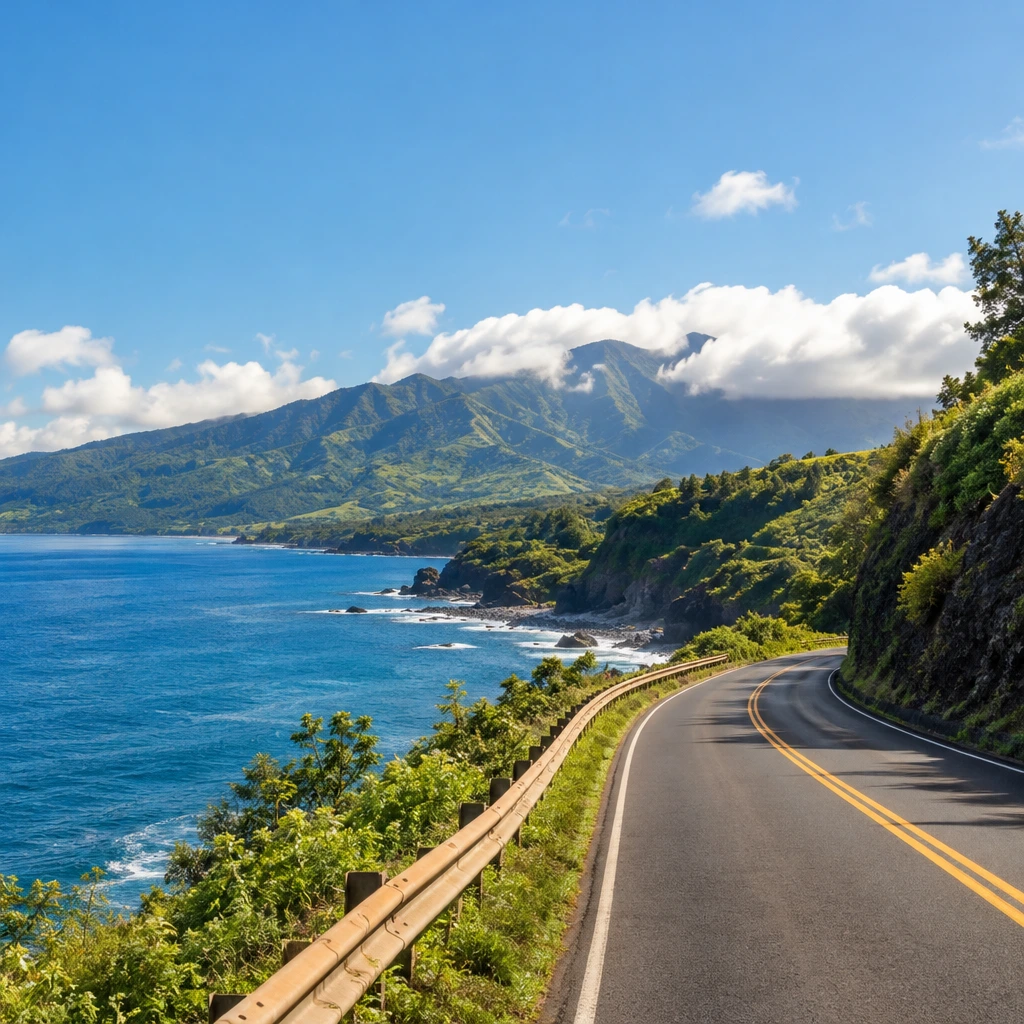
Driving to Haleakala sunrise means starting well before dawn. The summit is at roughly 10,000 feet, and the road climbs through a series of bends from the island’s central area to the summit district. From Kahului, the drive commonly takes around 1.5 to 2 hours, depending on your starting point, traffic, and conditions. From resort areas farther away, allow more time. Use a reliable navigation app for planning, but download or save your route in advance because mobile coverage may be limited along parts of the journey.
Plan your departure around your entry time
Work backward from your reservation window, then add a buffer for the drive, restroom stops, and possible delays. The summit road is dark before sunrise, so drive at a speed that feels comfortable and leave extra following distance. Watch for sharp turns, changing weather, cyclists, and wildlife. Avoid stopping in unsafe locations to take photos, and pull into designated areas only when it is safe to do so.
Before you leave, make sure the driver is rested. A very early departure after a full day of activities can make a challenging drive harder. If possible, share driving duties with another licensed driver. Keep the cabin calm, avoid distractions, and do not use high beams in a way that compromises the visibility of other drivers.
Choose a practical car and know the limits
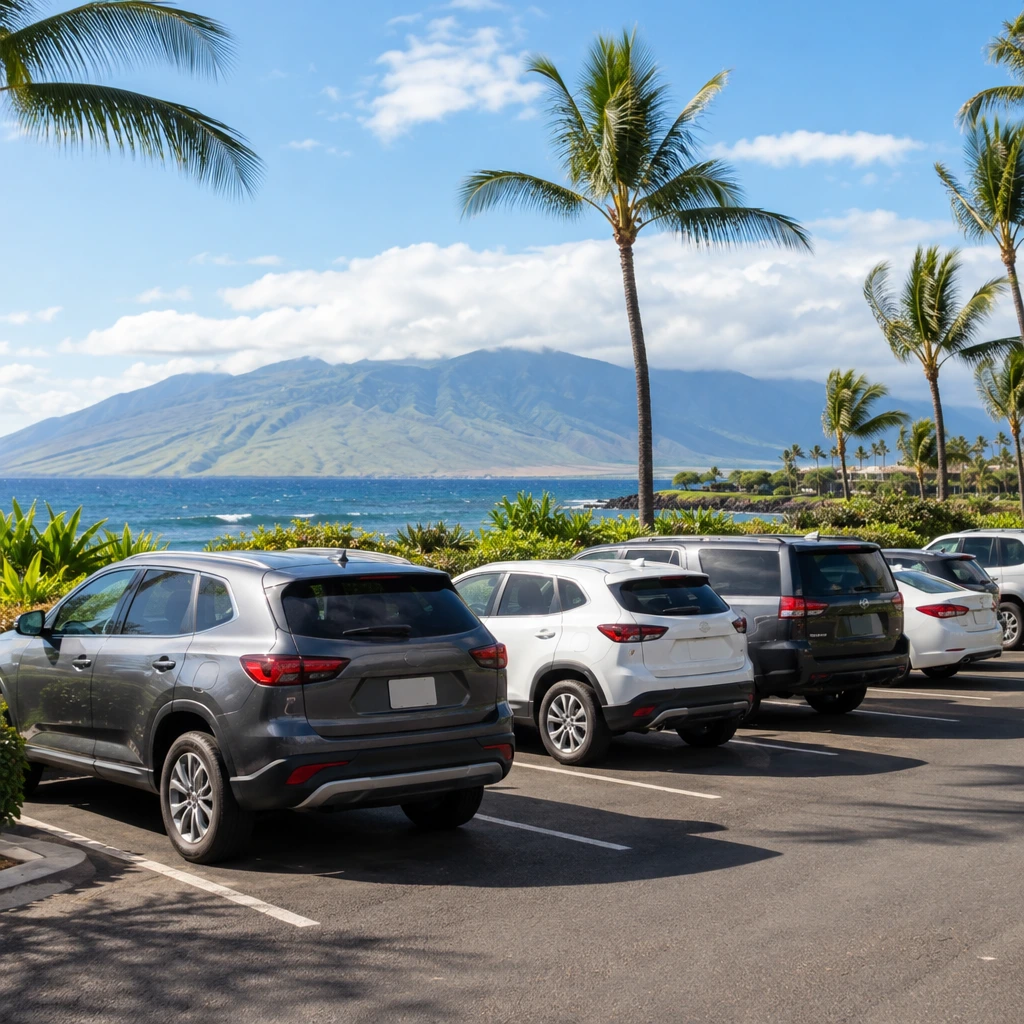
The route to the summit is paved, and many visitors make the drive in a standard car. A dependable economy or midsize vehicle can be a sensible choice: it is easier to manage on everyday Maui roads and can help keep rental and fuel costs in check. A Toyota Corolla or Camry suits travelers prioritizing value, while a Honda CR-V or Toyota RAV4 offers additional cargo room. You do not need an oversized vehicle simply to reach the summit.
Before setting out, check your rental agreement and confirm that the planned route is permitted. Drive only on paved, public roads approved for your vehicle; do not take a rental car off-road. At the summit, follow posted signs and staff instructions, and use designated parking areas. Keep valuables out of sight and do not leave food or trash behind.
On the way back down, take your time. The combination of altitude, an early start, and a long drive can leave you tired. If anyone in the vehicle feels unwell or drowsy, stop somewhere safe and reassess the plan rather than pushing through.
What to Pack for a Haleakala Sunrise
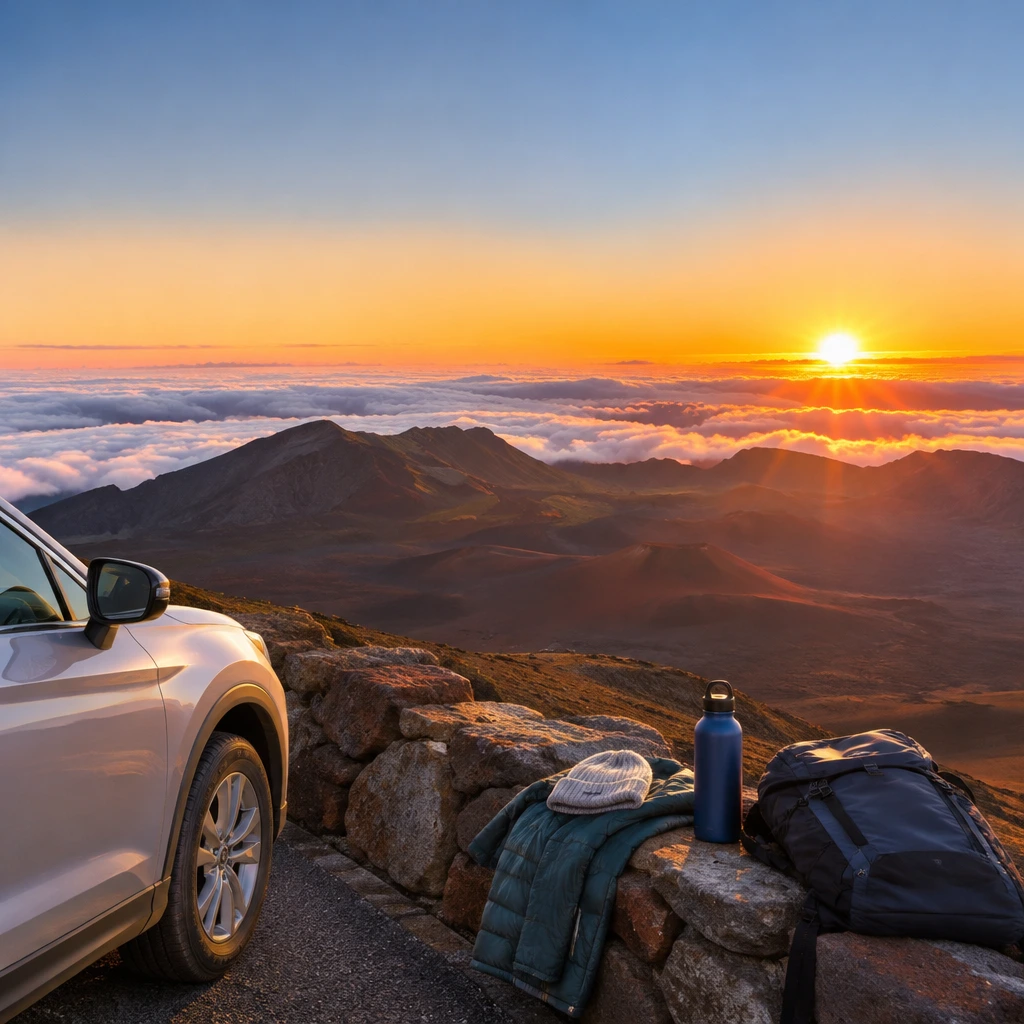
Summit conditions can feel dramatically different from the warm coast. Temperatures are often much colder at elevation, and wind can make them feel colder still. Dress for waiting outdoors in the dark, not just for the weather at your hotel. Layers are more useful than one bulky item because you can adjust as the sun rises and the day warms.
- Warm layers: Bring a fleece or insulated jacket, a base layer, long pants, and warm socks.
- Wind protection: A wind-resistant outer layer, hat, and gloves can make a big difference.
- Comfortable shoes: Wear closed-toe shoes with good grip, especially if walking on uneven ground.
- Water and snacks: Pack enough for the early morning and the drive back down.
- Flashlight or headlamp: Use a light while walking in dark areas, and point it down to avoid disturbing others.
- Phone and backup power: Charge your phone and bring a power bank; do not rely on cell service.
- Reservation and payment details: Keep your permit confirmation and park fee information accessible offline.
- Reusable bags: Carry out all wrappers and waste; leave the summit as you found it.
Bring only what you need, and keep gear organized before departure so you are not searching through bags in a dark parking area. A small daypack is often easier to manage than several loose items. If you plan to take photos, remember that a phone or camera battery can drain faster in cold conditions. Keep spare batteries or a power bank warm and follow all park rules about where you may stand and walk.
At the Summit: Respect the Place and Prepare for the Return
Arrive with enough time to park and walk to an appropriate viewing area without rushing. Follow signs and ranger directions, stay on designated paths, and be considerate of other visitors. The summit is a sensitive natural and cultural place; keep noise low, never leave the marked areas to seek a better photo, and avoid shining bright lights into other people’s eyes. Sunrise is a shared experience, and small courtesies help everyone enjoy it.
Haleakala is also a high-altitude environment. Some visitors may feel short of breath, lightheaded, or unwell at elevation. Take it slowly, stay hydrated, and let your group know if you feel off. Anyone with health concerns should consult a medical professional before visiting. If symptoms are severe, seek help and follow park staff instructions.
Once the sun is up, give yourself time to enjoy the view without losing track of fatigue. The trip back to your lodging can still take a while, and the winding road requires attention. Consider building in a meal and a rest stop after descending rather than scheduling a demanding activity immediately afterward. Do not drive if you are too tired to do so safely.
Check your fuel level before the early start and identify where you can refuel later in the day. There are limited services on the summit route, so do not assume you will find food, fuel, or supplies when you need them. A full tank, packed snacks, and a flexible schedule make the return journey more comfortable.
Plan Your Haleakala Morning—and the Rest of Your Maui Trip
A successful sunrise visit starts with a confirmed reservation, a realistic departure time, and preparation for cold, dark conditions. Check official park information shortly before your visit, drive carefully on the mountain road, and give yourself enough time to rest afterward. These simple steps help turn an early alarm into a safer, more enjoyable Haleakala National Park visit.
A car can also make it easier to explore Maui beyond the summit, from beaches and towns to scenic drives and local food stops. If you are comparing options, an affordable Maui car rental in an economy or midsize class can be a practical way to manage transportation costs without giving up comfort. Maui Cruisers offers vehicles such as the Toyota Corolla, Toyota Camry, Honda CR-V, and Toyota RAV4, with online and phone booking. For a long-term car rental in Maui or a shorter island stay, choose a vehicle that fits your plans, confirm your route is permitted, and set off with a thoughtful plan for the road ahead.