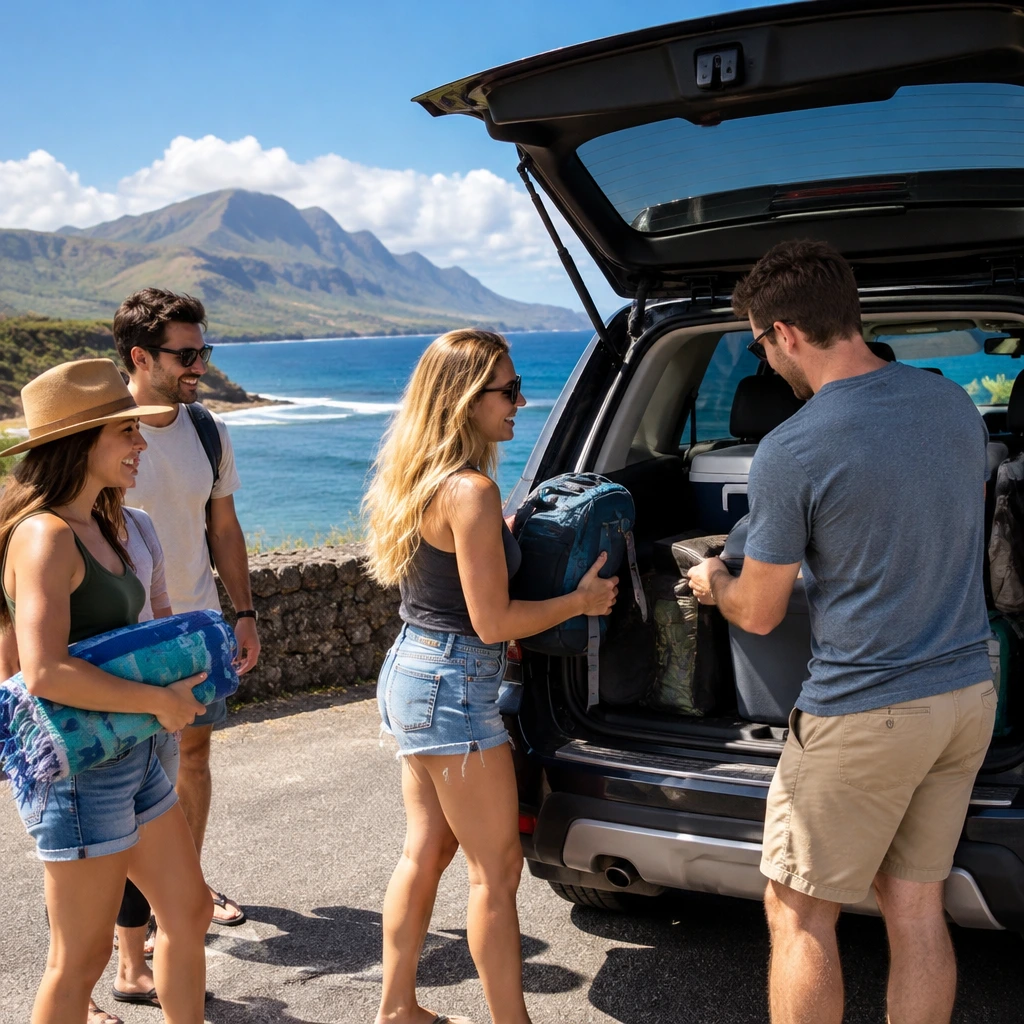
A great Maui road trip starts before you reach Kahului Airport. The right packing list for Maui road trip days should prepare you for sunny beaches, rainy rainforest roads, cool mountain air, spontaneous roadside stops, and long stretches between convenient shops. It should also help you keep your rental car organized and your travel budget under control.
In this guide, you’ll learn what to pack for a Maui trip, how to prepare for the Road to Hāna and Haleakalā, which Maui travel essentials belong in your day bag, and what you can leave at home. You’ll also find practical, affordable Maui travel tips for choosing a comfortable vehicle, planning fuel stops, protecting your belongings, and making the most of a road-ready itinerary without overpacking.
Packing List for Maui Road Trip Essentials
Maui’s weather is generally warm, but conditions can change dramatically depending on where you drive. Go Hawaii describes typical temperatures as approximately 75–85°F, with wetter conditions on the windward side and drier weather on the western side of the island. A useful Maui car rental packing guide should therefore include lightweight clothing as well as a few layers. ([gohawaii.com](https://www.gohawaii.com/islands/maui/travel-info/faq?utm_source=openai))
Clothing for beaches, towns, and scenic drives
- Lightweight shirts, shorts, and breathable pants
- A swimsuit, cover-up, and quick-drying towel
- A light jacket or sweater for evenings and air-conditioned spaces
- A warmer jacket, beanie, and long pants if you plan to visit Haleakalā before sunrise
- Comfortable walking shoes or hiking shoes with good traction
- Sandals or water shoes for beaches and casual stops
- A sun hat, sunglasses, and a lightweight long-sleeve shirt
- A small laundry bag to keep wet swimwear separate from clean clothing
Pack for flexibility rather than a different outfit for every activity. A comfortable pair of walking shoes can work for a farm stand, a short trail, and a casual dinner. Likewise, one light rain shell may be more useful than a bulky umbrella, particularly on winding roads where you’ll want to keep the car interior uncluttered.
Health, sun, and water essentials
Sun protection is not optional in Hawaiʻi. The Hawaiʻi Department of Health recommends SPF 30 or higher, reapplying at least every two hours and after swimming or exercise. Its traveler guidance also recommends bringing prescription medicines, over-the-counter medications, insect repellent, hand sanitizer, and an insurance card. ([health.hawaii.gov](https://health.hawaii.gov/docd/resources/travelers-health/?utm_source=openai))
- Reef-conscious sunscreen without oxybenzone or octinoxate
- Reusable water bottles for each traveler
- Prescription medications and a small first-aid kit
- Motion-sickness medicine if winding roads affect you
- Insect repellent for rainforest areas
- Electrolyte packets or reusable drink containers for long outings
- Hand sanitizer and tissues
Hawaiʻi’s Division of Aquatic Resources specifically advises visitors to use sunscreen without oxybenzone or octinoxate and to avoid touching or standing on coral. Pack your own sunscreen so you are ready for the beach, but remember that protecting the reef also means following posted swimming and snorkeling guidance. ([dar.hawaii.gov](https://dar.hawaii.gov/learn-explore/habitat/coral-reefs/?utm_source=openai))
What to Pack for the Road to Hāna
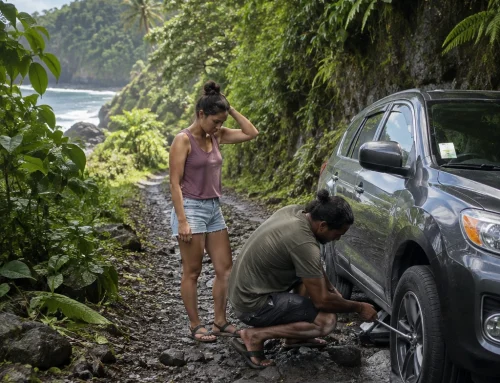
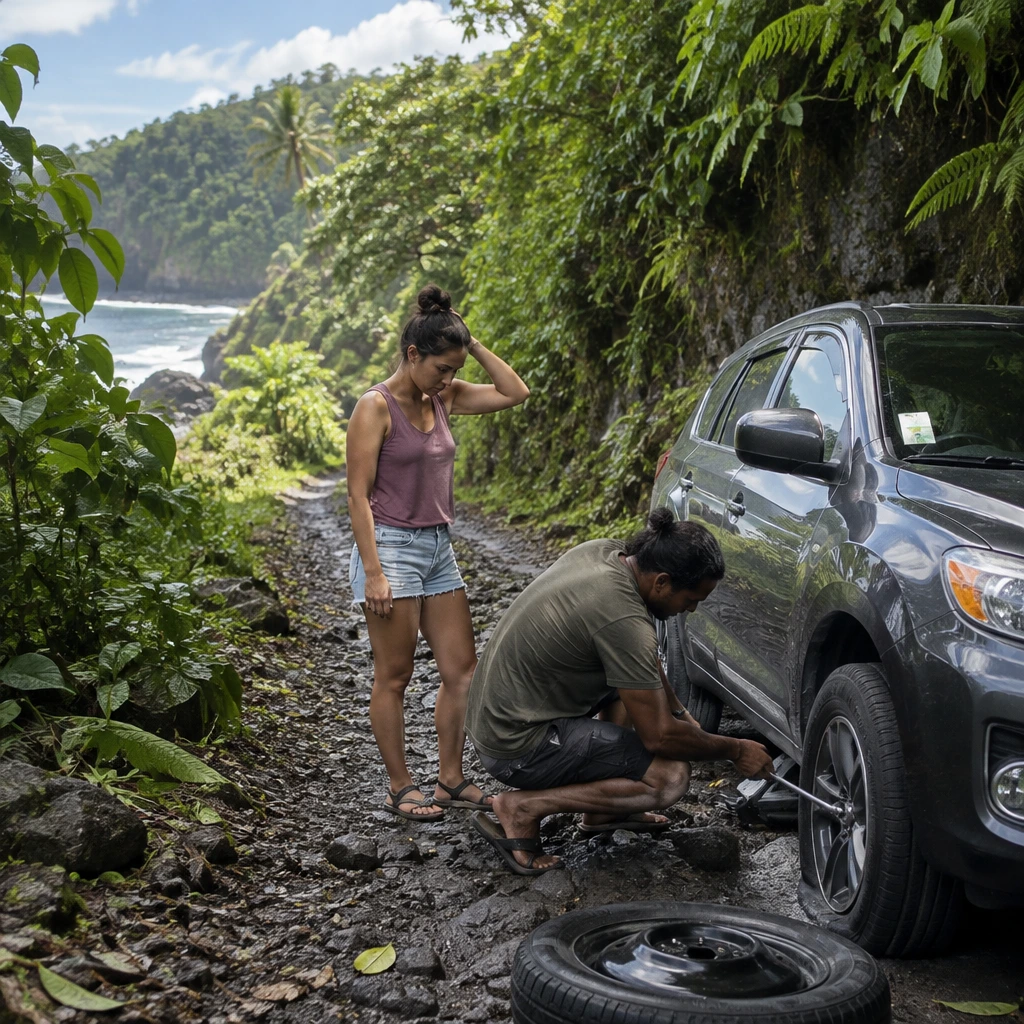
The Road to Hāna is beautiful, but it is not a quick highway transfer. Go Hawaii notes that the route from Kahului is about 52 miles, yet the drive can take two to four hours because of narrow bridges, hairpin turns, and frequent scenic stops. The route includes 620 curves and 59 bridges, so thoughtful preparation will make the day more comfortable for everyone in the vehicle. ([gohawaii.com](https://www.gohawaii.com/islands/maui/regions/east-maui/Hana?utm_source=openai))
Build a practical day bag
- Water and snacks that will not melt or make a mess
- Swimsuit, towel, and a dry change of clothes
- Waterproof phone pouch or small dry bag
- Portable phone charger and charging cable
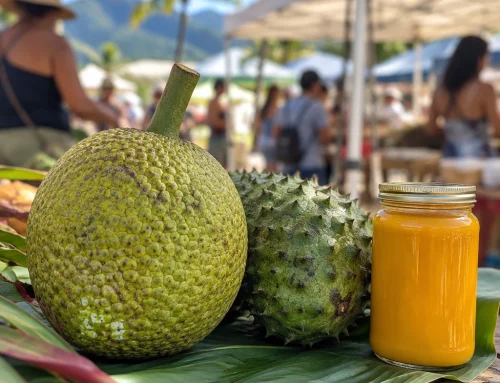
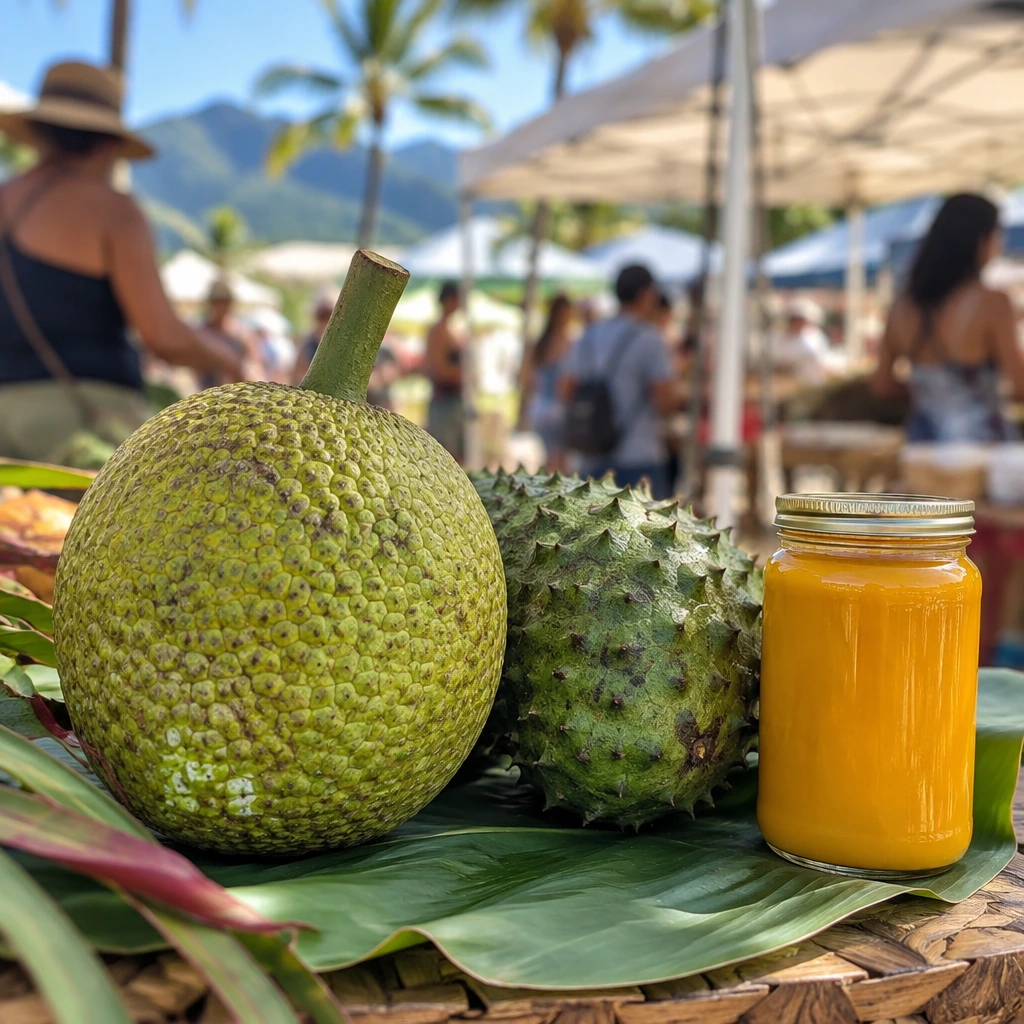
- Small cash reserve for permitted farm stands or local food stops
- Light rain jacket or poncho
- Trail shoes with a secure grip
- Compact binoculars or a camera, if you enjoy wildlife and landscape viewing
- Trash bag for keeping the rental car clean
Do not rely entirely on mobile service, especially once you leave larger towns. Download maps and directions before departure, save your accommodation address, and share your itinerary with someone in your group. It is also smart to check weather and traffic conditions before leaving. The Hawaiʻi Department of Transportation has warned that heavy weather can bring fallen trees, rocks, and flooding to Hāna Highway, making current conditions especially important before a long drive. ([hidot.hawaii.gov](https://hidot.hawaii.gov/administration/nonessential-travel-on-hana-highway-discouraged-as-hurricane-nolo-passes-maui/?utm_source=openai))
Respect the road and local communities
Pack patience along with your snacks. Pull completely into designated parking areas, never block a bridge or roadway, and avoid stopping on private property. Go Hawaii’s Road to Hāna guidance specifically reminds visitors to use designated parking, respect private land, stay on paths, and avoid entering streams during heavy rain or flash-flood conditions. ([gohawaii.com](https://www.gohawaii.com/islands/maui/regions/east-maui/Hana?utm_source=openai))
Because the route includes frequent curves, a compact or mid-size rental is often more practical than a large, attention-grabbing vehicle. A Toyota Corolla is easy to maneuver and economical for everyday driving, while a Toyota Camry, Honda CR-V, or Toyota RAV4 gives you additional passenger or cargo space. These choices prioritize comfort, fuel efficiency, parking convenience, and reasonable rental costs over novelty.
Haleakalā Packing Essentials: Prepare for Cold Weather
One of the most common Maui packing mistakes is assuming the entire island will feel tropical all day. Haleakalā National Park’s summit rises to 10,023 feet, and the National Park Service says temperatures can range from about 80°F in the Kīpahulu area to approximately 30°F at the summit. Weather can change quickly, with wind, clouds, rain, and intense sun all possible during the same visit. ([nps.gov](https://www.nps.gov/hale/planyourvisit/basicinfo.htm?utm_source=openai))
What to bring for sunrise or summit views
- Warm jacket or insulated layer
- Long pants, warm socks, and closed-toe shoes
- Hat and gloves, especially for pre-dawn visits
- Headlamp or flashlight
- Water and high-energy snacks
- Phone charger and downloaded directions
- Camera with extra battery protection from cold conditions
The park does not sell food, clothing, or gasoline, and the summit road has no streetlights or guardrails. The National Park Service recommends planning ahead for the drive and conditions. A full tank before heading uphill, warm clothing in the passenger area, and a working flashlight are simple precautions that can make a major difference. ([nps.gov](https://www.nps.gov/hale/planyourvisit/sunrise.htm?utm_source=openai))
If you plan to watch sunrise, reserve your access in advance. The National Park Service requires a sunrise reservation for entry between 3:00 a.m. and 7:00 a.m. Reservations are available through Recreation.gov up to 60 days ahead, with a portion released 48 hours in advance. The park also states that sunrise reservations can sell out quickly and are not available by calling the park or arriving in person. ([home.nps.gov](https://home.nps.gov/hale/planyourvisit/haleakala-sunrise-reservations-faq.htm?utm_source=openai))
Keep the reservation confirmation and photo identification accessible. You may also want to pack breakfast because the early start and mountain drive can leave you hungry before businesses open.
Organizing Your Rental Car for a Comfortable Maui Adventure
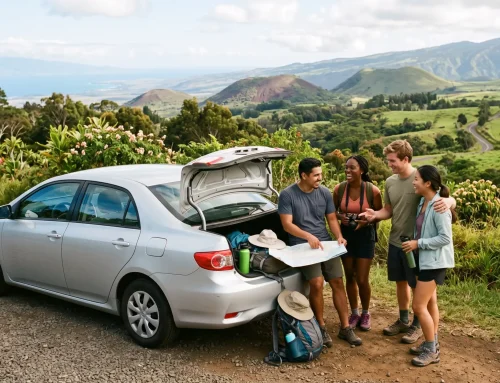
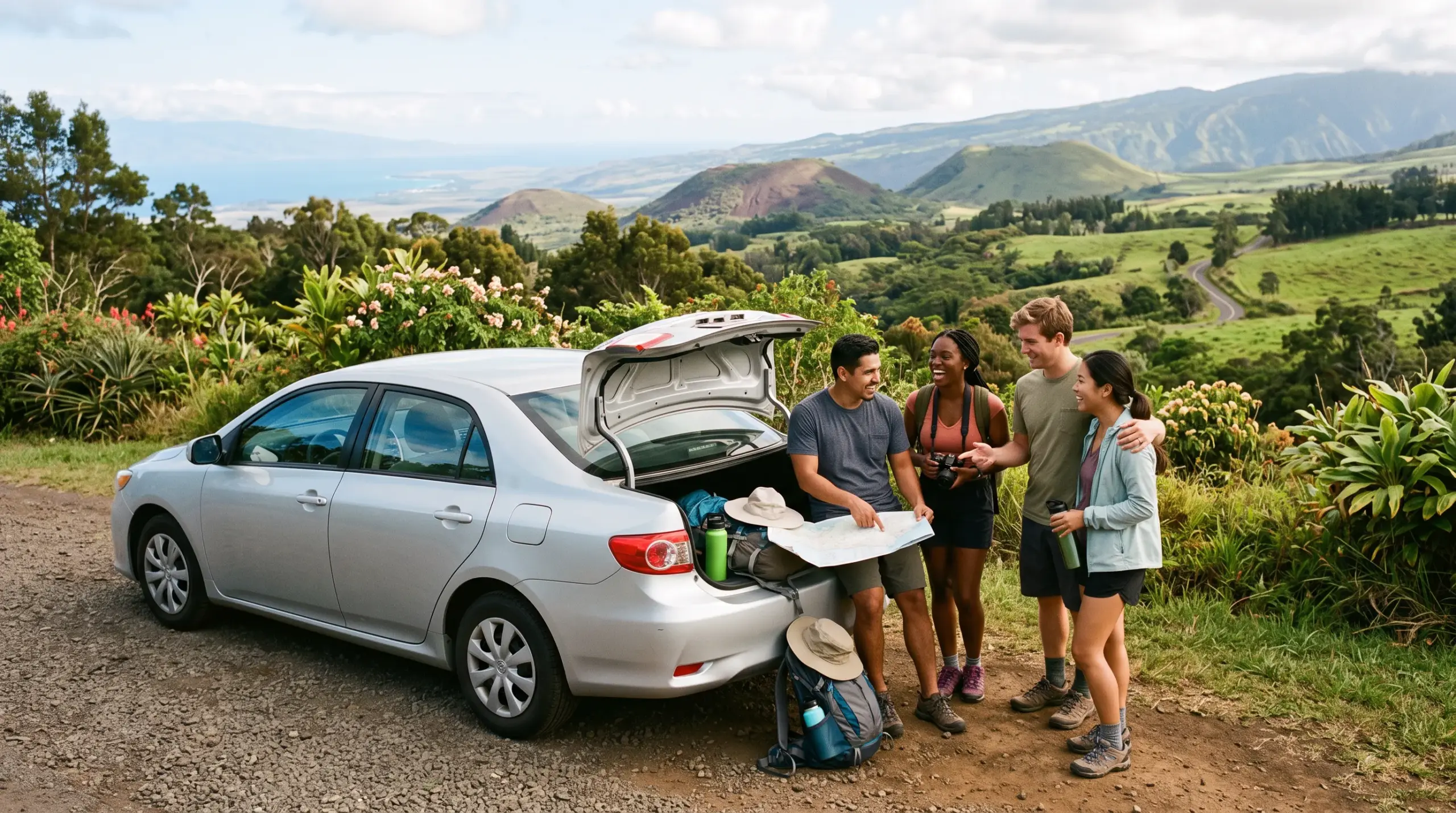
A well-packed vehicle is safer and more enjoyable than one filled with loose beach gear, shopping bags, and wet towels. Before leaving the rental location, decide where each category of item belongs. Keep water, maps, chargers, and snacks within reach, while storing luggage and valuables out of sight whenever you leave the car.
Use the right vehicle for your itinerary
For couples or solo travelers traveling light, a Toyota Corolla can provide efficient, straightforward transportation around Maui. A Toyota Camry adds extra cabin comfort for longer drives. Families, hikers, and travelers carrying beach equipment may prefer the cargo flexibility of a Honda CR-V or Toyota RAV4.
While open-air Jeeps and convertibles may appear tempting in vacation advertising, they are not automatically the smartest choice for an island road trip. Economy and mid-size vehicles typically offer better fuel economy, lower rental costs, easier parking, and more practical protection for luggage and electronics. For travelers seeking a cheap car rental in Maui or an affordable Maui car rental, dependable transportation is usually more valuable than a novelty premium.
Keep a road-trip kit in the car
- Reusable shopping bags
- Small cooler or insulated food bag
- Microfiber towel for wet gear
- Zip-top bags for sunscreen, snacks, and electronics
- Compact umbrella or rain shell
- Phone mount, if permitted by your rental agreement and used safely
- Pen, paper, and a printed accommodation address
- Small emergency supply of water and nonperishable snacks
Do not leave passports, wallets, cameras, or other valuables visible inside the vehicle. Take your most important belongings with you and keep the trunk organized so you are not repeatedly opening luggage in public parking areas.
If you are staying for a week or longer, a long-term car rental in Maui can also simplify your trip. Instead of arranging separate transportation for beaches, restaurants, grocery runs, scenic drives, and airport transfers, one reliable rental can support your entire itinerary and reduce the temptation to over-plan every day.
What Not to Pack for Maui
Efficient packing is just as much about leaving things behind as it is about adding items. Maui has stores, pharmacies, supermarkets, and shopping centers, so you do not need to bring an entire household. Go Hawaii notes that visitors can find essentials such as sunscreen on the island, although purchasing ahead may provide more choice and help you avoid an inconvenient stop. ([gohawaii.com](https://www.gohawaii.com/islands/maui/travel-info/faq?utm_source=openai))
- Heavy formalwear, unless your itinerary specifically requires it
- Multiple pairs of uncomfortable shoes
- Large beach equipment that you can rent or buy locally
- Excessive single-use plastic bottles
- Expensive jewelry or irreplaceable valuables
- Bulky luggage that leaves no room for groceries or souvenirs
- Unnecessary driving accessories that clutter the rental car
You should also avoid packing an overly rigid schedule. Road conditions, weather, parking availability, and local recommendations can change your plans. Leave room for an unplanned beach stop, a farmers market, a short walk, or a slower afternoon at your accommodation.
Finally, remember that a road trip is not a race. The best Maui days often involve fewer stops, more time at each location, and enough flexibility to turn around when weather or road conditions become unsafe.
Conclusion: Pack Light, Drive Smart, and Enjoy More of Maui
The ideal Maui travel essentials fit into a simple formula: breathable clothing, one warm layer, dependable walking shoes, sun and rain protection, reusable water, medications, snacks, and a flexible plan. Add a few Road to Hāna supplies and cold-weather gear for Haleakalā, and you will be prepared for the island’s most varied driving days.
Choosing a practical rental vehicle matters, too. A Corolla, Camry, CR-V, or RAV4 can provide the fuel economy, comfort, storage, and maneuverability needed for beaches, mountain roads, errands, and scenic drives. Maui Cruisers offers affordable, economy and mid-size rentals for travelers who want reliable transportation without paying for unnecessary luxury or novelty features. For help choosing a vehicle or arranging a longer stay, contact the Maui Cruisers team by phone or text and speak with real people—not an automated agent or call center.