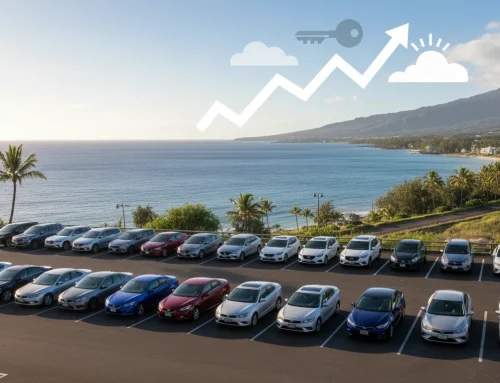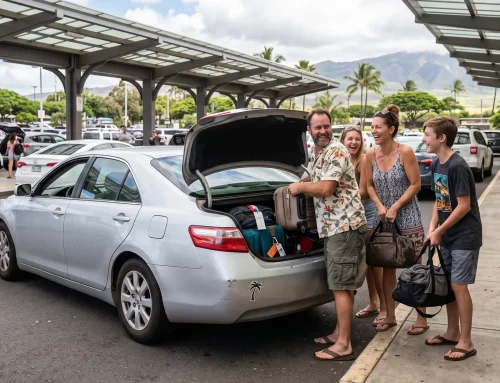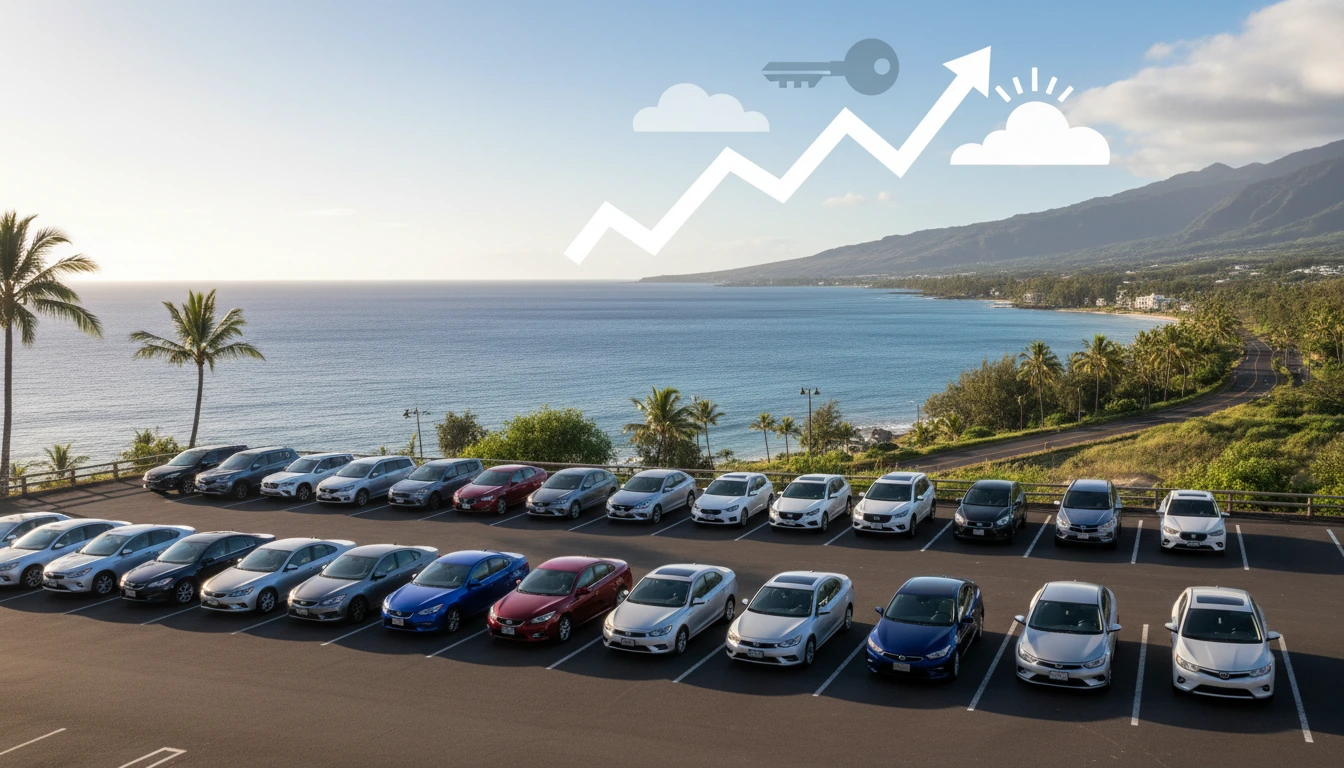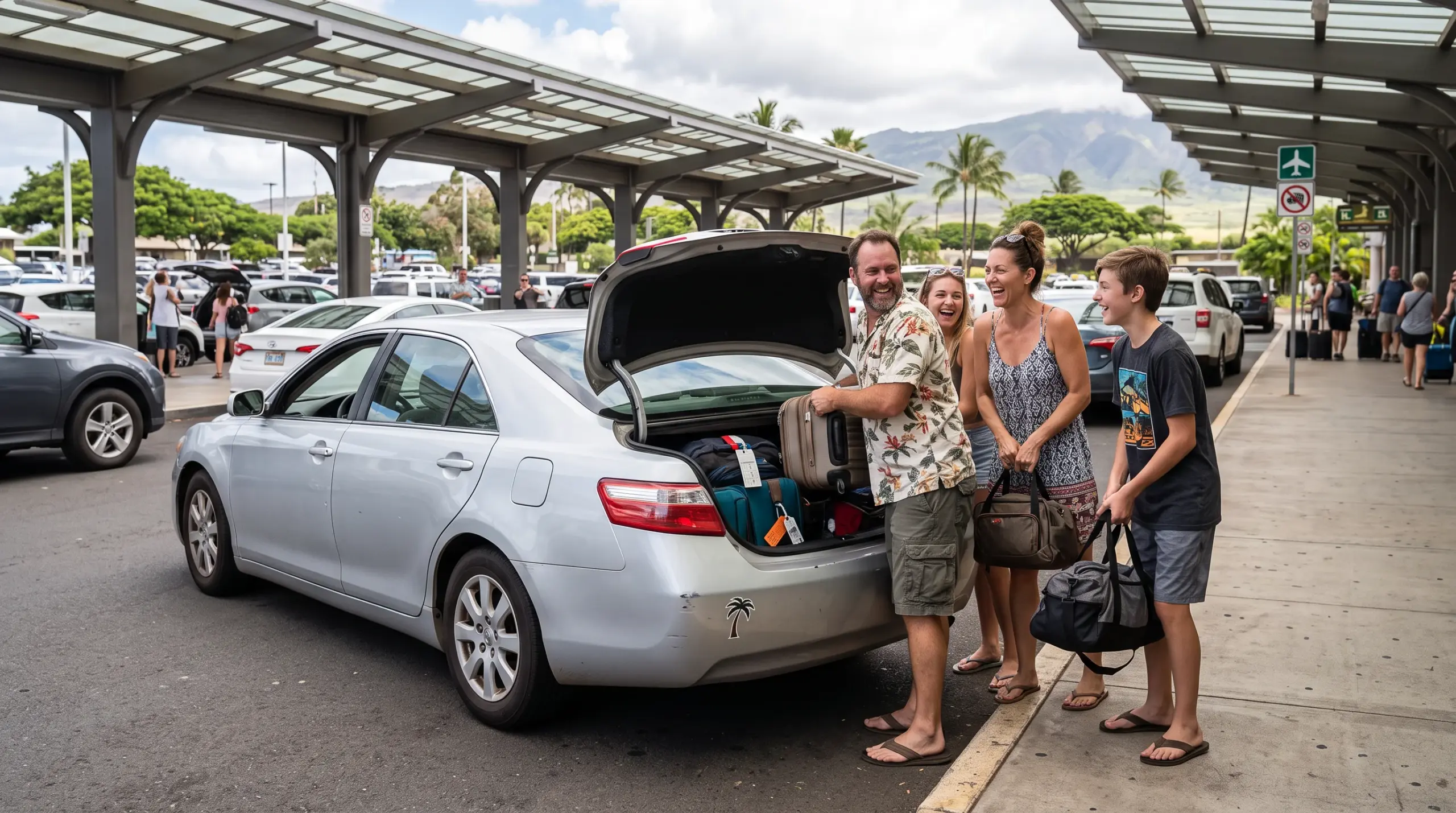
Island hopping in Hawaii sounds simple until you start coordinating flights, ferry schedules, luggage, parking, and rental-car rules. The right vehicle plan can make a multi-island vacation smoother and more affordable, while the wrong one can leave you paying for a car that sits unused during your travel days. For travelers searching for cheap car rentals Maui, the smartest approach is usually to rent only where you need to drive, return the vehicle before leaving Maui, and arrange transportation separately on your next island. This Hawaii island hopping guide explains how to plan a Maui-based itinerary, when a Maui car rental makes sense, how Maui to Big Island car rental logistics work, and why a flexible local company such as Maui Cruisers may be the best fit for longer stays.
How Cheap Car Rentals Maui Fit Into an Island-Hopping Itinerary
Maui is one of the Hawaiian Islands where having a car can significantly improve your trip. Public transportation, hotel shuttles, taxis, and tours are available, but they may not reach every beach, trailhead, scenic overlook, or small town on your schedule. The official Hawaiʻi tourism site notes that visitors should consider reserving a rental car in advance to experience more of Maui, particularly when staying outside the main resort areas.
A rental car is especially useful if your plans include the Road to Hāna, Haleakalā National Park, Upcountry Maui, South Maui beaches, or multiple areas of West Maui. Instead of arranging separate rides for every activity, you can build your days around your own timetable. That flexibility is valuable when sunrise reservations, weather changes, or unexpected stops affect your plans.
However, a car is not automatically needed for every day of an island-hopping vacation. If you plan to spend two days relaxing at a resort, one day taking a guided excursion, and another day flying to a neighboring island, paying for a vehicle throughout the entire trip may not be the most economical option.
Rent for the driving portion of your trip
The most practical strategy is to divide your vacation into transportation blocks:
- Arrival and exploration: Pick up your Maui rental when you are ready to drive.
- Longer Maui stay: Keep the vehicle for beach days, scenic routes, groceries, and excursions.
- Island transfer: Return the vehicle before flying or taking a ferry.
- Next island: Arrange a separate rental, shuttle, taxi, or tour based on that island’s needs.
This approach avoids paying for a rental while you are sitting on an airplane, staying in a walkable resort area, or exploring an island with a guide. It also makes budgeting easier because you can compare the actual driving days rather than assuming one vehicle must cover the entire vacation.
Car Rental Maui Inter-Island Travel: What Travelers Need to Know
Car rental Maui inter-island travel requires advance planning because a rental car does not automatically move with you from one island to another. Hawaii’s islands are separated by ocean, so travelers generally use interisland flights. The official Hawaiʻi tourism guide explains that several airlines operate short flights between the islands, although some routes require a connection through Oʻahu. It also recommends arriving at least 90 minutes before an interisland flight.
There is a ferry connection from Lāhainā Harbor to Mānele Bay on Lānaʻi. According to the state’s official tourism information, the trip takes roughly one hour and operates multiple round trips each day. That makes Lānaʻi the most straightforward island addition from Maui for travelers who want a boat journey rather than a flight. Review the current schedule before finalizing your itinerary, because operating times and departure procedures can change.
For current route information and estimated flight times between the islands, consult the official Hawaiʻi island travel guide. It provides a useful overview of the main airports, interisland connections, and ferry options.
Why you should not assume your rental can travel with you
Rental agreements often contain geographic restrictions, and a vehicle rented on Maui may not be authorized for transport on another carrier or island. Even where vehicle transport is legally possible in certain circumstances, the rental company’s contract, insurance terms, and written permission control what you may do with the car.
Before booking, ask the rental company:
- Whether the vehicle may leave Maui
- Whether it may be transported by ferry or cargo carrier
- What insurance applies during transport
- Whether one-way island returns are available
- What fees apply if the vehicle is returned somewhere else
For most vacationers, the simplest and safest solution is to return the Maui vehicle and rent again after arriving on the next island. It avoids complicated logistics and ensures that the vehicle is covered by the new rental agreement from the moment you pick it up.
Maui to Big Island Car Rental Planning
A Maui to Big Island car rental is usually a two-rental plan rather than a single continuous reservation. The Island of Hawaiʻi, often called the Big Island, is much larger than Maui and has two major visitor gateways: Kona International Airport and Hilo International Airport. Your arrival airport should match your accommodation and sightseeing plans.
Visitors staying along the Kona Coast may want a car for beaches, coffee farms, historic sites, and trips toward Hawaiʻi Volcanoes National Park. Travelers based in Hilo may prioritize waterfalls, botanical gardens, the windward coast, and the national park. Because distances can be substantial, a rental car is often more useful on the Big Island than on a short resort stay in Waikīkī or another highly walkable destination.
Plan your transportation in this order:
- Choose how many nights you will spend on Maui and the Big Island.
- Book the interisland flight based on your hotel location and preferred airport.
- Schedule your Maui rental to end before your departure time.
- Reserve a separate Big Island vehicle for your arrival date.
- Allow time for baggage collection, airport transfers, and the new rental pickup.
Keep the rental days aligned with your itinerary
If you are flying from Maui to Kona in the afternoon, do not automatically keep the Maui vehicle until the end of the day unless you truly need it. An early return may reduce the rental total and give you more time to handle airport check-in. Likewise, avoid booking a Big Island rental for a day when you plan to remain at your hotel or take an all-day tour with transportation included.
Hawaii’s airports publish official ground transportation information, including the rental companies serving Kahului Airport. The Kahului Airport rental-car directory is useful for understanding the airport’s recognized rental facilities and planning your arrival.
For travelers who want to control costs, a local Maui provider that specializes in affordable and longer-term rentals can be a better fit than booking a large national rental for every day of the vacation. Maui Cruisers offers online and phone booking, making it easier to discuss your dates, vehicle needs, and island-hopping schedule before you arrive.
Why Long-Term Maui Rentals Can Work Better for Vacation Planning
Island hopping does not always mean changing islands every two or three days. Many travelers get more value from using Maui as their primary base, then adding one short side trip to Lānaʻi, Oʻahu, or the Big Island. In that situation, a longer Maui rental can simplify the first part of the trip while still allowing you to return the vehicle before your interisland departure.
Longer rentals may be especially convenient for families, remote workers, couples staying in vacation rentals, and visitors planning a full week or more on Maui. You can keep groceries, beach equipment, hiking supplies, and luggage organized without repeatedly arranging transportation. You also have the freedom to change plans when weather affects a boat tour or scenic drive.
Questions to ask before choosing an affordable Maui rental
Price matters, but the lowest advertised daily rate is not always the lowest overall cost. Before making a reservation, confirm:
- The full rental period and return requirements
- Taxes, mandatory fees, and deposit policies
- Included mileage and fuel expectations
- Additional-driver policies
- Vehicle size and luggage capacity
- Cancellation or modification rules
- Pickup and return location
- Whether the company offers long-term rates
It is also worth matching the vehicle to your plans. A compact car may be ideal for ordinary sightseeing and easier parking, while a larger vehicle may be more practical for families or travelers carrying substantial luggage. At the same time, do not choose a vehicle based on the assumption that every road is suitable for every car. Follow posted restrictions, rental-agreement terms, and local safety guidance.
Responsible travel is particularly important as Maui continues its recovery from the August 8, 2023 wildfires. The official Maui recovery site emphasizes that conditions and access can change as rebuilding continues. Before driving through West Maui or visiting areas affected by recovery work, check the County of Maui’s current recovery updates, follow posted signs, and respect restricted areas and local communities.
The Best Rental Strategy for a Multi-Island Hawaii Vacation
There is no single best transportation plan for every Hawaii vacation. The right choice depends on how long you are staying, which islands you will visit, and how much independent driving you want to do.
For many visitors, this formula works well:
- Maui: Use a rental car for scenic drives, beaches, Haleakalā, Hāna, and daily errands.
- Lānaʻi: Consider the ferry from Maui and arrange local transportation or a separate rental if needed.
- Big Island: Fly between islands, then collect a separate car at Kona or Hilo if your itinerary covers large distances.
- Oʻahu: Rent only for the days you plan to leave the main urban areas, since parking and traffic may make a car less convenient in Honolulu.
- Kauaʻi: Reserve a separate vehicle if you want to explore beyond resort areas and organized tours.
The main principle is simple: rent where you drive, return before you island-hop, and rent again only when the next island requires it. This can reduce unused rental days, simplify insurance questions, and make your schedule easier to manage.
Conclusion: Choose a Maui Rental That Matches Your Island-Hopping Plans
The best Maui car rental for island hopping is usually not the one that attempts to cover every island. Instead, choose a reliable, affordable Maui vehicle for the days you will genuinely drive, then use flights or the Lānaʻi ferry for your interisland connections. Once you arrive on another island, decide whether you need a separate rental based on your hotel location and daily activities.
Maui Cruisers is a practical option for travelers looking for affordable Maui car rentals, particularly those planning longer stays and wanting an easy booking process online or by phone. Contact the team with your dates, destinations, and intended driving schedule so you can build a rental plan around your complete trip. With the right timing, a Maui rental can give you freedom on the Valley Isle without adding unnecessary cost to your Hawaii island hopping itinerary.