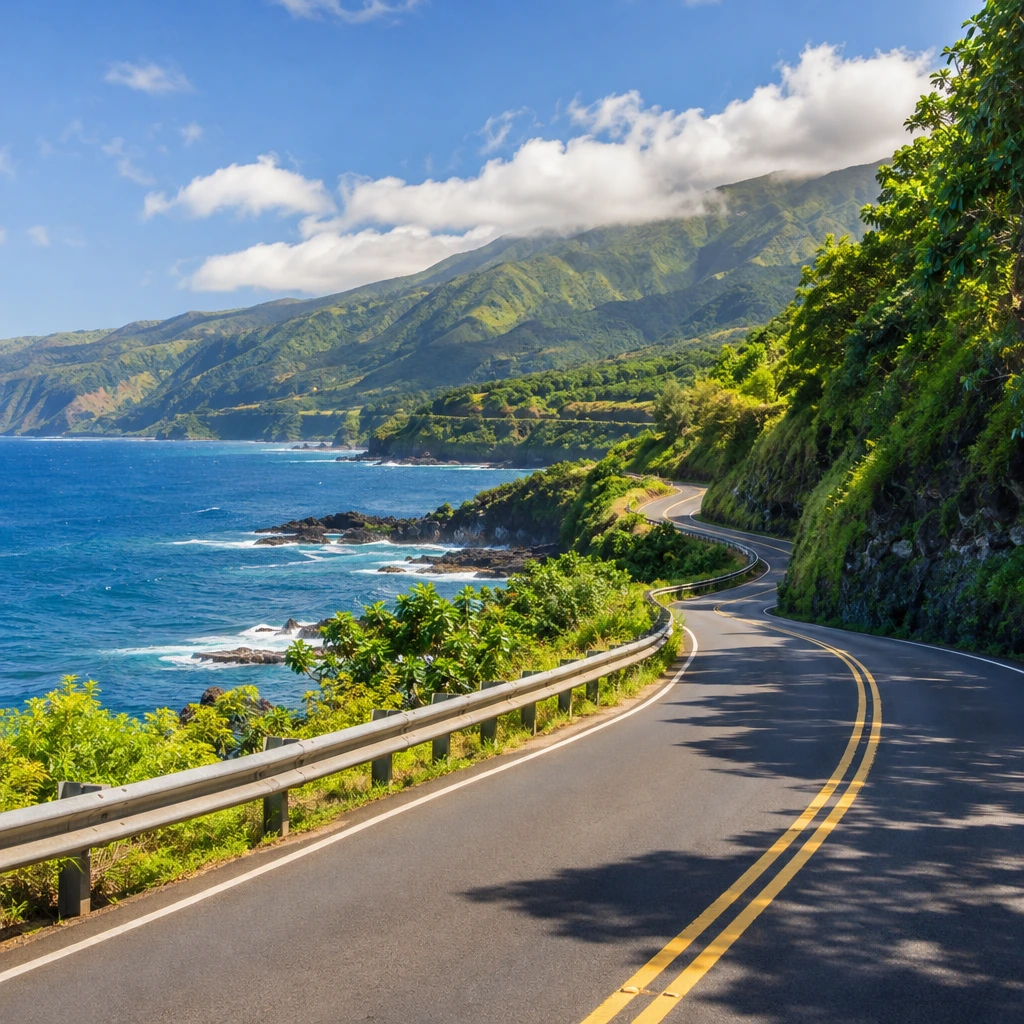
Maui’s best snorkeling is spread across the island, so choosing a few good beaches—and arriving at the right time—can make your days in the water much easier. In this self-drive guide to the best snorkeling spots in Maui, you’ll find practical beach options on the west and south shores, tips for parking and timing, and advice for choosing a spot that fits your experience level. Conditions can change quickly, and a beach that’s calm in the morning may be rough later in the day, so checking the local ocean forecast is part of the plan.
A car also makes it easier to bring water, sun protection, and your own snorkel gear, and to switch beaches if the conditions aren’t suitable. The recommendations below focus on accessible shore-snorkeling locations—not a promise of wildlife sightings. Always put safety first, respect marine life, and stay out of the water if surf or currents look unsafe.
Best Snorkeling Spots in Maui: West Shore Beaches
Maui’s west side has several popular beaches within a relatively short drive of Lahaina, Kāʻanapali, and Kapalua. For a more comfortable outing, aim to arrive earlier in the day, when winds are often lighter and parking may be easier. Conditions vary, however, so check the forecast before setting out.
Kapalua Bay
Kapalua Bay is a sheltered, crescent-shaped beach that’s often a good choice for beginners when the water is calm. The protected shape can make entry feel less exposed than at an open-coast beach, though it does not guarantee safe conditions. Enter slowly, look for rocks and other swimmers, and stay close to shore if you’re new to snorkeling. Public access and parking are available, but spaces are limited, especially at busy times. Facilities may be available nearby; confirm what’s open when you visit.
Napili Bay
Just south of Kapalua, Napili Bay is another attractive option for a relaxed beach day. It has sandy areas for entering the water, with reef and rocky sections that may offer places to observe fish when visibility and sea conditions cooperate. The beach is popular, and parking is limited, so arriving early is helpful. Check the water before entering and avoid swimming near rocky edges if there is surge or strong shore break.
Kahekili Beach Park (Airport Beach)
Kahekili Beach Park, commonly called Airport Beach, offers a long shoreline and generally convenient access from the Kāʻanapali area. Snorkelers often explore the reef areas offshore, but stay aware of waves, currents, and other water users. The park has facilities, making it a practical choice for families planning to spend several hours at the beach. Before you go, verify current beach conditions and any posted advisories.
South Maui Snorkeling Beaches to Reach by Car
South Maui offers a cluster of beaches near Kihei and Wailea, which makes it easy to compare conditions and adjust your plans. A self-drive itinerary lets you carry beach essentials and choose a different shoreline if the first stop is windy or crowded. Don’t assume that a beach is safe just because other people are in the water; use your own judgment and follow posted warnings.
Ulua and Mokapu Beaches
Ulua Beach and neighboring Mokapu Beach are popular Wailea-area stops. Ulua has sandy access and reef areas that can be interesting to explore when the water is calm. Mokapu provides another nearby option, so you can check both before deciding where to swim. Parking is available in designated areas, but spaces can fill during peak hours. Be considerate of residents and use marked public access rather than private resort areas.
Maluaka Beach
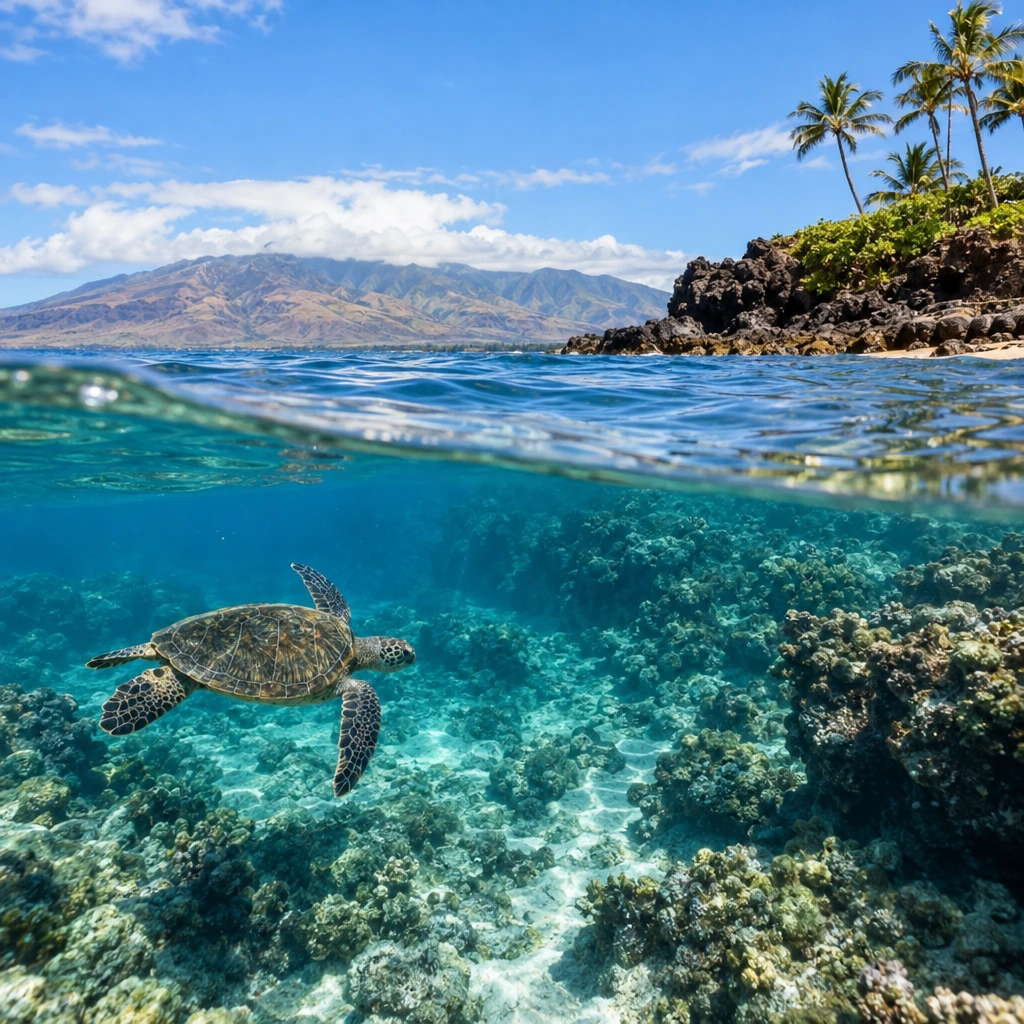
Maluaka Beach, south of Wailea, is another well-known place to look for shore snorkeling. The sandy shoreline is appealing for beach time, while underwater conditions and visibility vary by day. The area is sometimes associated with sea turtles, but sightings are never guaranteed. If you see a turtle, keep your distance, don’t block its path, and never touch or chase it. Use designated parking and check access information before your visit, as facilities and availability can change.
When planning a south-shore beach day, keep the schedule flexible. A short drive can bring you to a different beach, but it can’t make rough water safe. If waves are breaking strongly or visibility is poor, enjoy the shore and try again another day.
Honolua Bay and Other Snorkeling Options
Honolua Bay
On Maui’s northwest coast, Honolua Bay is known for its marine environment and scenic setting. Access to the shoreline involves a walk from the roadside through a wooded area, and there may be limited parking along the road. The bay is not a developed beach park, so don’t expect the same facilities as at a maintained public beach. Conditions can be powerful, particularly during north and northwest swells, and the rocky entry can be challenging. Snorkel here only when conditions are suitable for your ability, and do not enter if surf, current, or access feels unsafe.
Honolua is also an area where care for the environment matters. Avoid standing on coral, disturbing wildlife, or leaving anything behind. Check current access guidance and ocean conditions before making the drive.
Ahihi-Kinau Natural Area Reserve
South of Wailea, the ʻĀhihi-Kīnaʻu Natural Area Reserve protects sensitive coastal and marine habitat. Rules, access, and permitted activities can change, so check official state guidance before visiting. Where access is allowed, the shoreline may be rocky, and entry can be difficult; it is not automatically a better choice for beginners. Follow all signs and closures, and never step on coral or remove natural material.
Molokini Crater is another name you may see while researching Maui snorkeling, but it is an offshore destination reached by boat rather than a beach you can drive to. A self-drive beach itinerary and a boat excursion are different ways to experience the island’s water. Choose based on your time, budget, comfort level, and the day’s conditions.
How to Plan a Maui Snorkeling Day by Car
A little preparation can save time and help you make safer decisions once you arrive. Before leaving your accommodation, check the weather and ocean forecast, confirm beach access, and pack for time in the sun. Plan to arrive early at popular beaches, and don’t leave valuables visible in a parked car.
- Check conditions first: Look for current surf, wind, and beach advisories. If there is a warning or the water looks rough, choose a land-based activity.
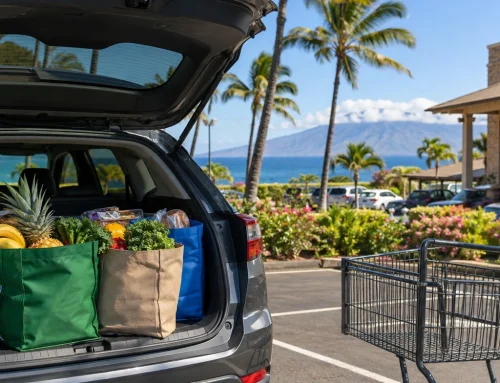
- Bring essentials: Pack drinking water, reef-conscious sun protection, towels, a change of clothes, and properly fitting snorkel gear.
- Use safe entry and exit points: Avoid sharp rocks, breaking waves, and areas with strong surge. Stay within your comfort level and snorkel with a companion.
- Protect marine life: Keep a respectful distance from turtles and other animals, never touch coral, and take all rubbish with you.
- Respect parking and access: Park only in designated public spaces and follow local signs, closures, and posted rules.
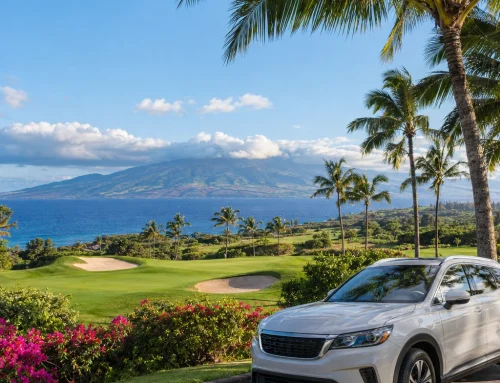
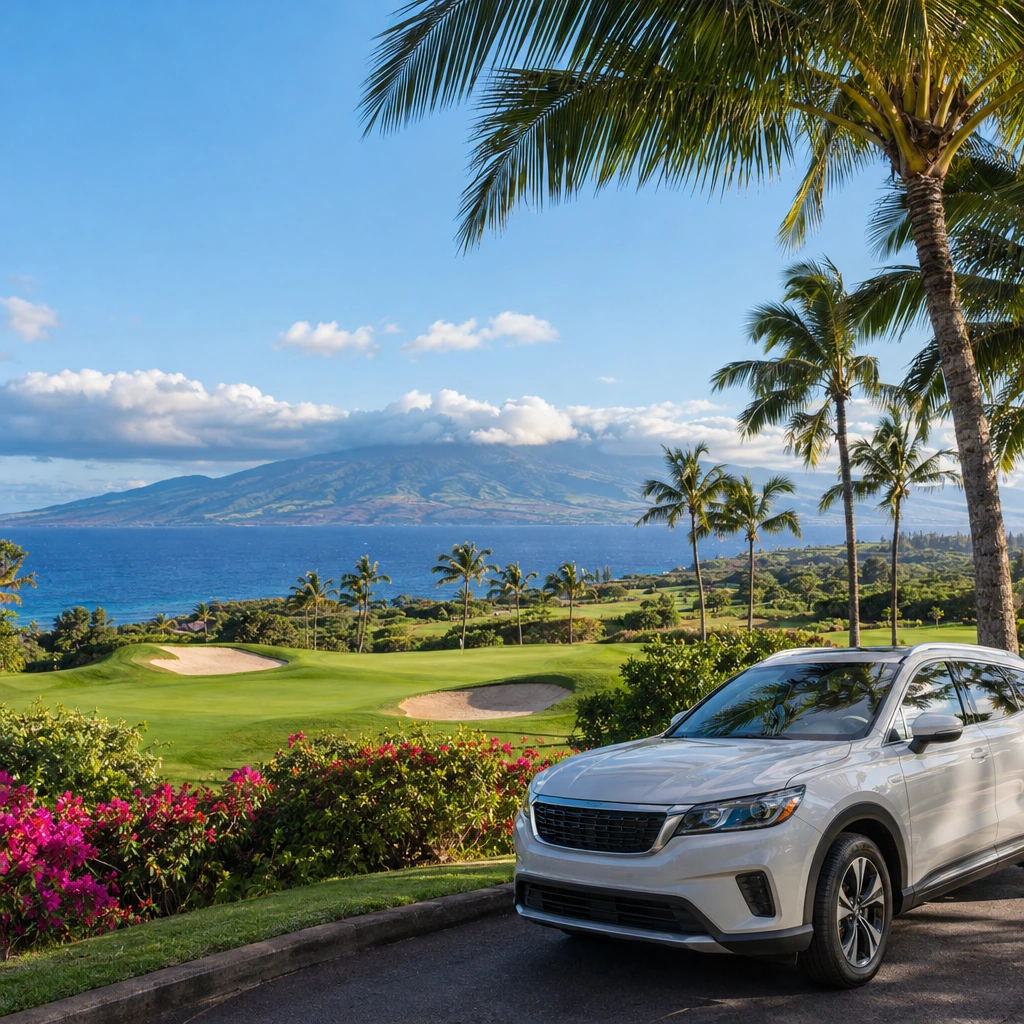
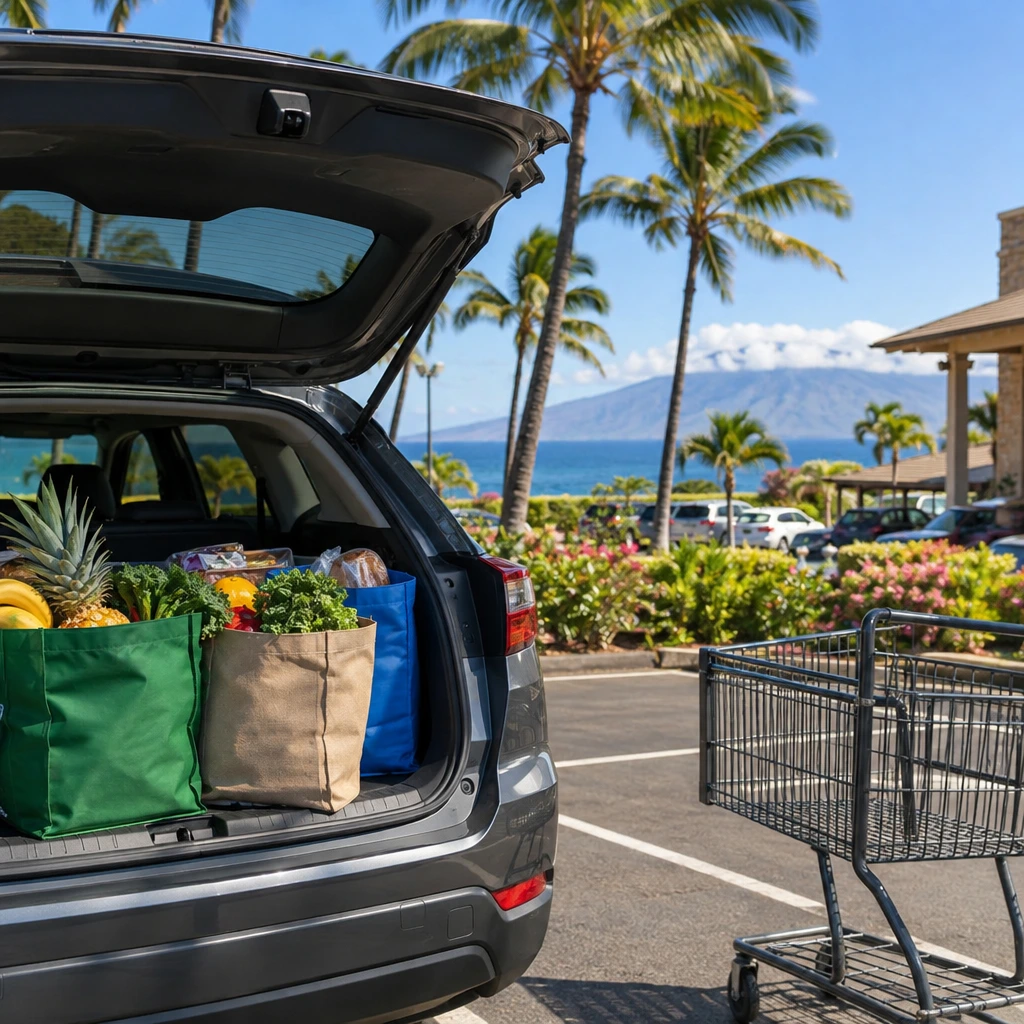
For getting between scattered Maui snorkeling spots, a reliable rental car can be more practical than arranging transportation for every beach visit. A compact or mid-size vehicle such as a Toyota Corolla or Camry suits many visitors’ everyday driving, while a Honda CR-V or Toyota RAV4 offers additional cargo flexibility for beach gear. Maui Cruisers offers affordable Maui car rental options, including long-term car rental for visitors staying longer. Booking online or by phone makes it easier to plan transportation around your itinerary.
Conclusion: Choose the Right Beach for the Day
The best snorkeling beach in Maui is the one that matches your experience and has suitable conditions when you arrive. Kapalua Bay and Napili Bay are popular west-side choices; Kahekili Beach Park, Ulua, Mokapu, and Maluaka offer south and west shore alternatives; and Honolua Bay requires extra attention to access and ocean conditions. No location is safe in every kind of weather, and snorkeling should never be treated as a must-do when the water is rough.
With a flexible plan, an early start, and a way to travel between beaches, you can explore Maui at a comfortable pace. Check conditions before each swim, follow local guidance, and leave the shoreline and reef as you found them. If you’re planning to visit multiple beaches or stay on Maui for an extended trip, compare affordable rental options from Maui Cruisers and choose practical transportation that fits your travel plans.