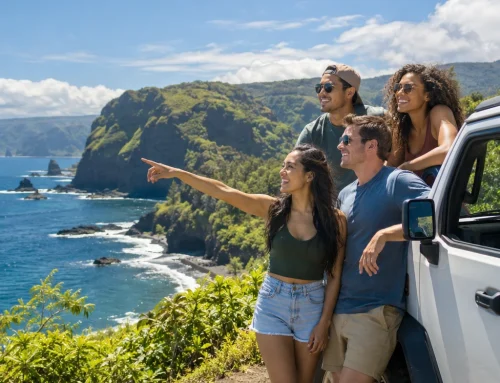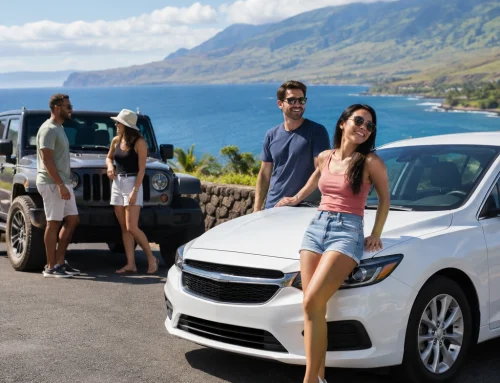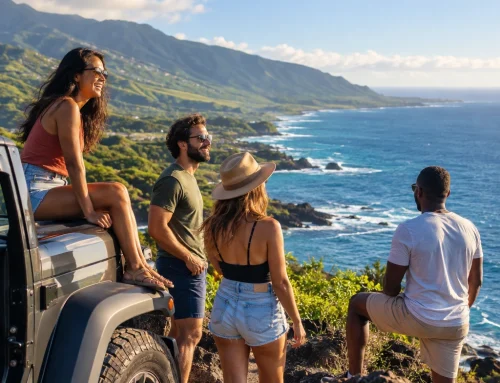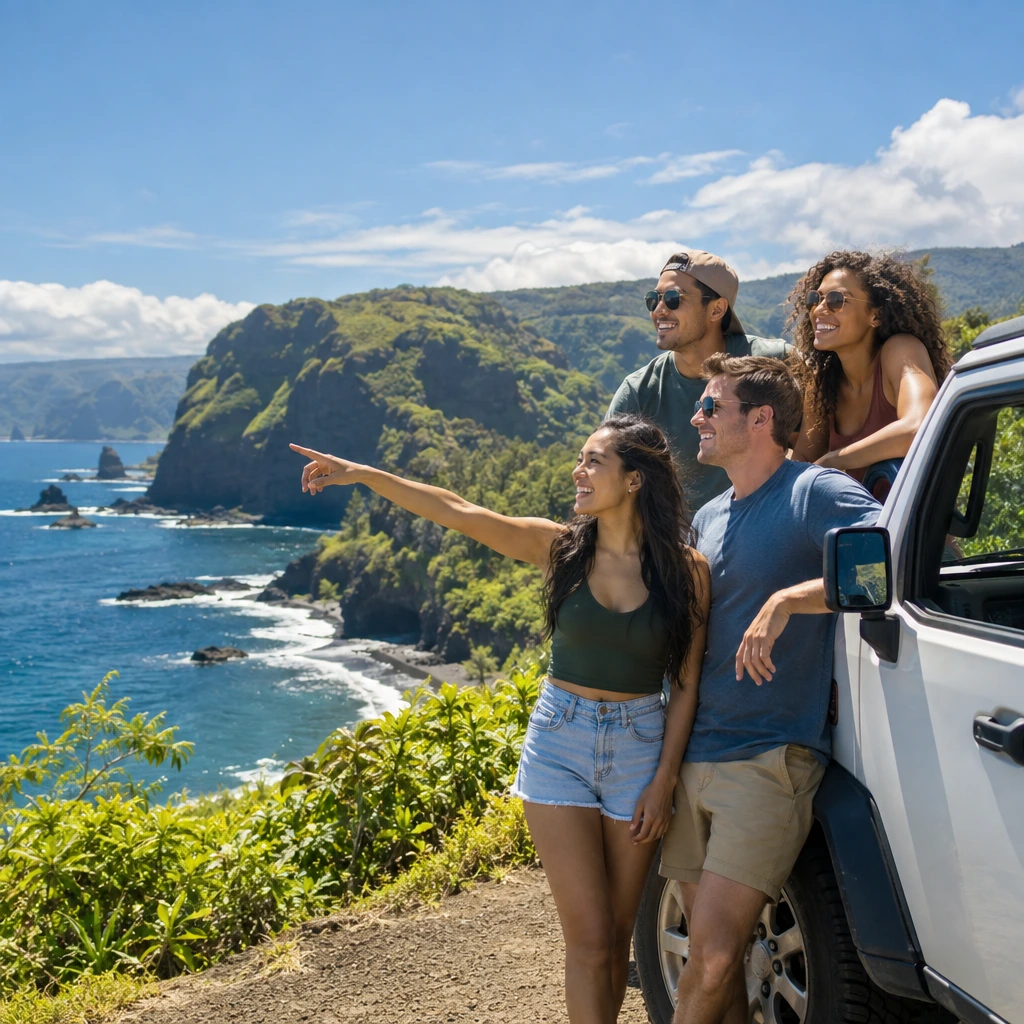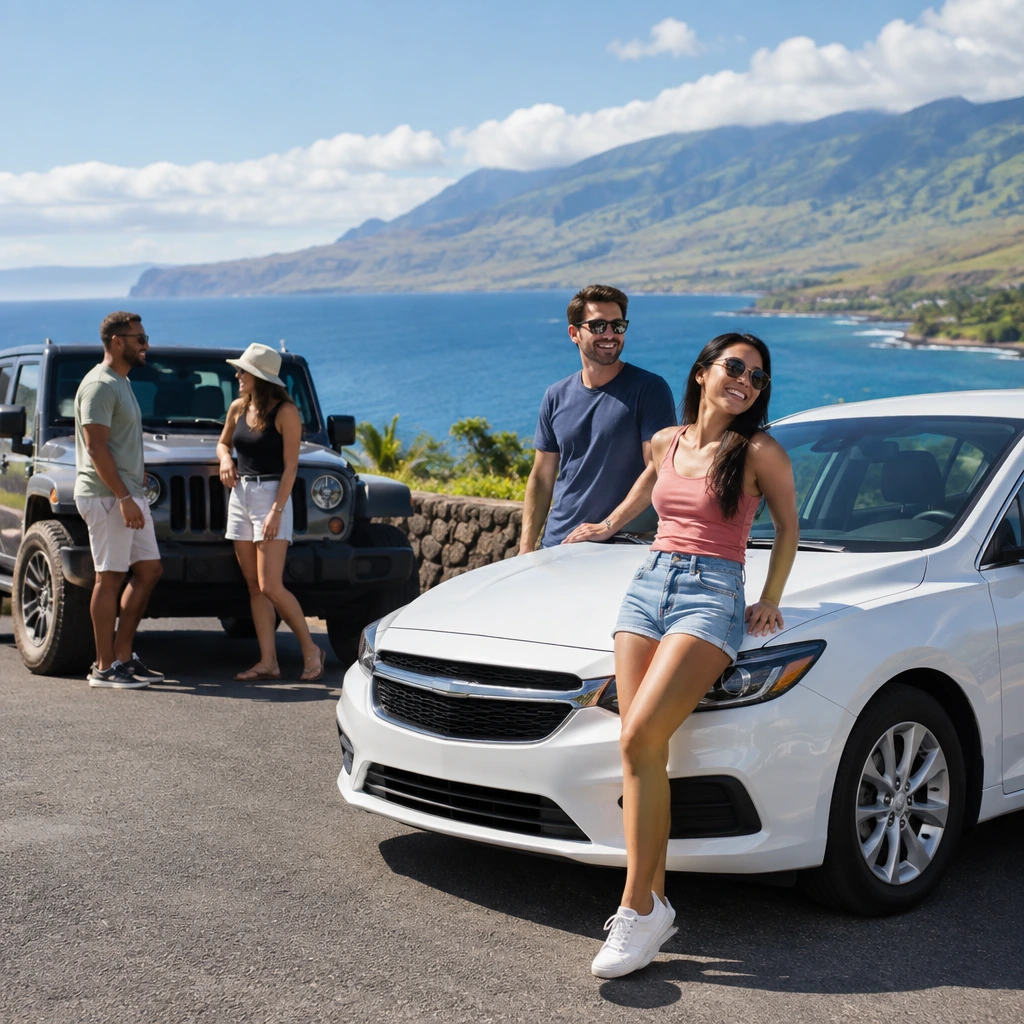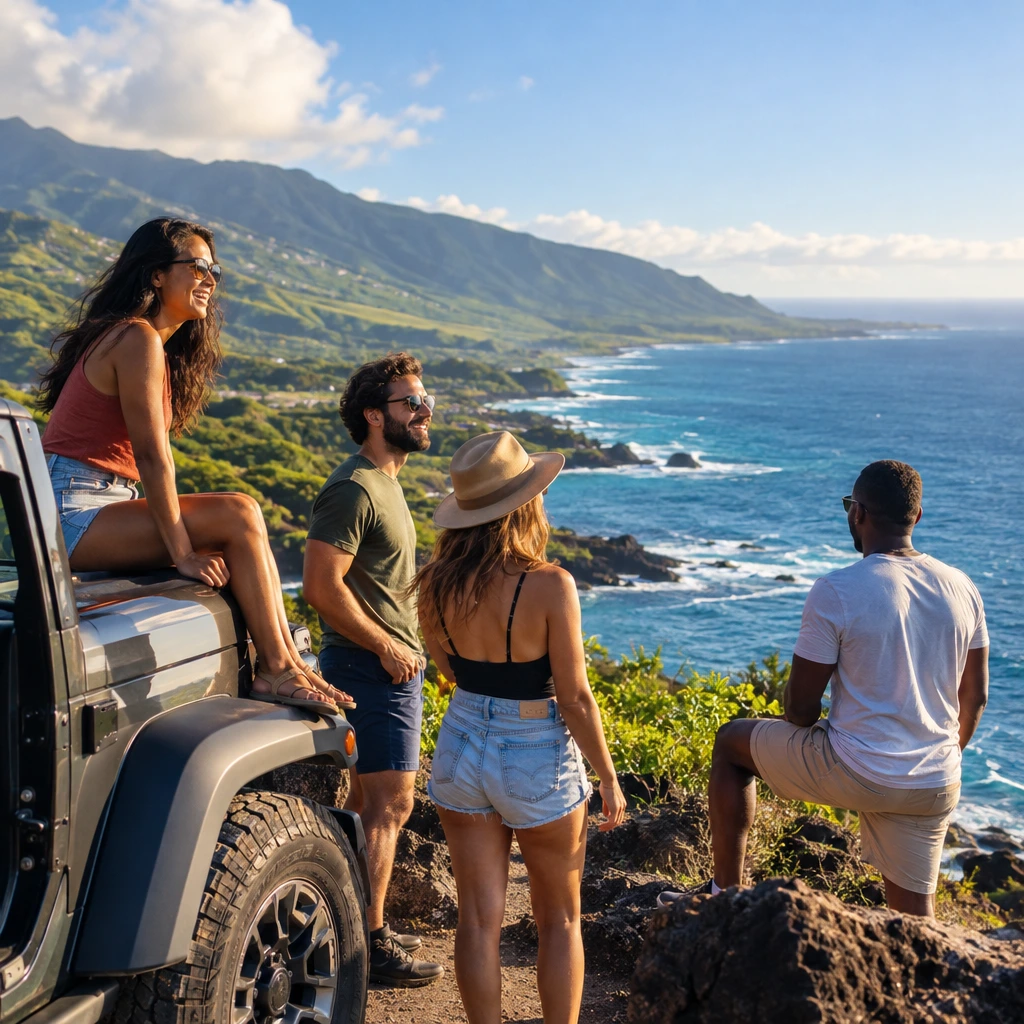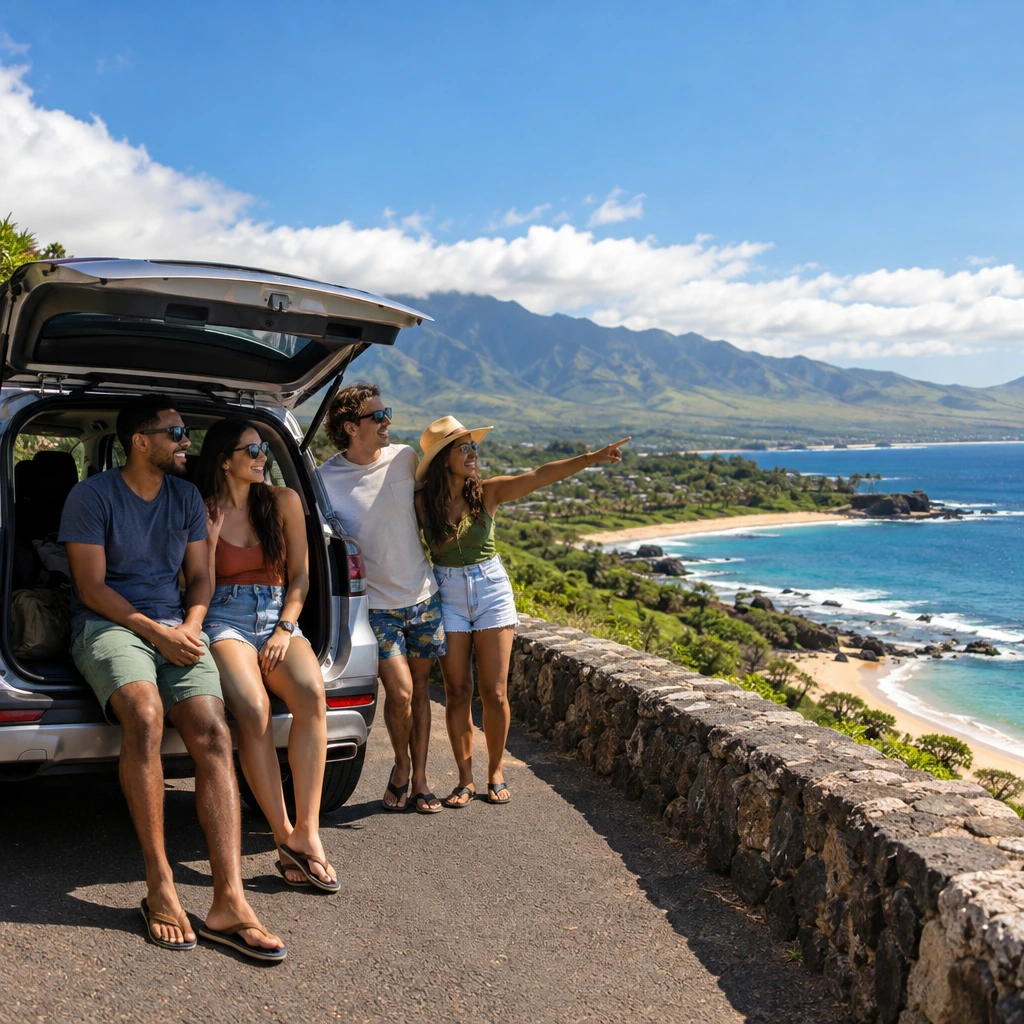
Maui’s beaches are spread across several distinct coastal areas, so seeing more than one usually requires a car. With a little planning, you can explore Maui beaches by car without spending your vacation circling for parking, backtracking across the island, or paying for transportation you do not need. A flexible beach-driving plan lets you combine famous shorelines with quieter coves, scenic viewpoints, local food stops, and sunset locations.
This guide explains how to plan a Maui beach road trip, which beaches work best together, and what to know about parking, driving times, road conditions, and ocean safety. You will also find practical advice for choosing an affordable Maui car rental that fits everyday island driving. An economy sedan such as a Toyota Corolla or Camry is often enough for most beach itineraries, while a Honda CR-V or Toyota RAV4 adds extra cargo space for families and beach gear.
How to Explore Maui Beaches by Car: Plan by Coast
Maui is not an island where every beach can be visited efficiently in one continuous loop. The best approach is to group beaches by region and dedicate a day or half-day to each area. This reduces driving time and gives you more time in the water.
West Maui beaches
West Maui is home to some of the island’s most popular beaches. Ka’anapali Beach is an excellent starting point, with a long sandy shoreline, resorts, restaurants, and access to the Ka’anapali Beachwalk. It is convenient for swimming and snorkeling when conditions are calm, although the beach can become busy and parking may fill quickly.
Farther north, Napili Bay has a smaller, more intimate feel. Kapalua Bay is another scenic option, with a curved shoreline and generally calm water during favorable conditions. These beaches are close enough to combine in one outing, but arrive early if you want easier parking and a quieter experience.
For a longer west-side day, consider this general route:
- Start at Kapalua Bay or Napili Bay in the morning.
- Stop for lunch or coffee in Napili, Kahana, or Lahaina-area communities where businesses are open.
- Spend the afternoon at Ka’anapali Beach.
- Watch the sunset from a permitted beach access or return to your lodging before evening traffic increases.
Always check current local conditions before driving north beyond the resort areas. Weather, roadwork, and occasional closures can affect travel times, and some coastal roads are narrow or winding. Do not assume that a navigation app’s estimated time accounts for congestion or limited parking.
South Maui beaches
South Maui is especially practical for a beach-focused driving day because several popular shorelines sit along or near South Kihei Road and Wailea Alanui Drive. Kamaole Beach Parks I, II, and III are easy to reach and offer different combinations of swimming, snorkeling, grass areas, picnic space, and sunset views. Their proximity makes it simple to move to another beach if wind or surf conditions change.
Continue south toward Wailea for beaches such as Ulua Beach and Wailea Beach. If you drive farther, Makena Beach, commonly called Big Beach, provides a broad sandy shoreline and dramatic scenery. Conditions can be powerful, so it is important to observe posted warnings and local advice rather than entering the water simply because the beach looks inviting.
Build a Maui Beach Road Trip Around Your Priorities
The best beaches in Maui are not necessarily the same for every traveler. Families may prefer convenient parking and calmer water, while snorkelers may prioritize rocky edges and clear conditions. Travelers seeking scenery may be happiest at a beach with dramatic volcanic landscapes, even if swimming is not the main activity.
For swimming, families, and easy beach days
Look for beaches with lifeguards, nearby restrooms, shade, and straightforward access. Kamaole Beach Parks are useful because you can compare nearby sections without committing to a long drive. Ka’anapali Beach and Kapalua Bay can also work well when ocean conditions are suitable.
Keep in mind that Maui’s water conditions change by season, wind, swell, and time of day. A beach that is calm in the morning may be rougher later. Never rely on a beach’s reputation alone. Check warning signs, ask a lifeguard when available, and supervise children closely. If you are not a confident swimmer, stay in shallow water and avoid entering during strong surf or currents.
For snorkeling and marine life
Several Maui beaches offer opportunities to see tropical fish, but visibility and safety vary. Rocky edges and protected bays can be productive snorkeling areas, yet they may also have sharp coral, slippery rocks, or stronger currents. Wear appropriate reef-safe sun protection, avoid standing on coral, and keep a respectful distance from turtles and other wildlife.
Honolua Bay, north of Kapalua, is known for lush surroundings and snorkeling potential in favorable conditions. However, it is not always the best choice for casual swimming, and access may involve a short walk rather than a simple pull-up-to-the-sand experience. Treat it as a nature stop as much as a beach stop.
For scenery, sunrise, and sunset
Some shorelines are better suited to photography, walking, or watching the ocean than to swimming. Ho’okipa Beach, on the North Shore, is a memorable stop for seeing powerful waves, windsurfers, and sea turtles from designated viewing areas. It is generally not a beginner swimming beach, especially when surf is large.
Baldwin Beach near Paia offers a wide shoreline and a more open coastal setting. It can be breezy, so pack a secure hat and avoid leaving loose belongings unattended. For sunset, west- and south-facing beaches are the natural choices, but plan your return drive before it gets dark. Unfamiliar roads, pedestrians, cyclists, and limited lighting can make nighttime driving more demanding.
Driving Tips for Visiting Maui Beaches
A rental car gives you independence, but island driving rewards patience. Roads may be slower than expected, and parking is often more limited than the distance between destinations suggests.
Allow extra time for parking and traffic
Popular beach lots can fill early, particularly on weekends, holidays, and during peak travel periods. Arriving in the morning is usually the simplest strategy. If a lot is full, do not park illegally, block driveways, or stop along narrow shoulders. Instead, move to another beach or return later.
Keep valuables out of sight and lock the vehicle whenever you leave it. Ideally, take wallets, electronics, passports, and other important items with you. Beach gear should stay in the trunk rather than on seats. Also, follow all posted signs concerning parking limits, resident-only areas, access roads, and towing enforcement.
Choose practical transportation
You do not need a specialty vehicle to visit Maui’s major beaches. A Toyota Corolla is economical for couples and solo travelers, while a Toyota Camry offers additional passenger and trunk space. Families or visitors carrying chairs, coolers, snorkeling equipment, and luggage may appreciate the higher seating position and cargo flexibility of a Honda CR-V or Toyota RAV4.
These vehicles are practical for everyday island driving, errands, restaurant stops, and beach access. They also avoid the novelty premium often attached to specialty rentals. Lower fuel use and lower daily or weekly rates can make a meaningful difference in a Maui budget, especially for visitors staying several days or weeks.
Before leaving your rental location, confirm the fuel policy, inspect the vehicle, and familiarize yourself with the controls. Keep the vehicle clean, secure sandy gear as much as possible, and return it according to the company’s instructions. If you need a long-term car rental in Maui, ask about available rates and vehicle options before your trip rather than waiting until arrival.
North Shore and East Maui Beach Stops
The North Shore offers a different beach experience from the resort areas. Instead of focusing only on swimming, plan for coastal scenery, local food, wind, and changing weather. Paia is a convenient base for exploring nearby beaches and picking up snacks before continuing east.
Baldwin Beach is close to Paia and is easy to combine with a town visit. Ho’okipa is farther east and makes a worthwhile viewpoint stop, particularly when the surf is active. You may see windsurfers, surfers, and sea turtles from safe viewing locations. However, do not enter closed-off areas or approach wildlife.
If you are continuing toward Hana, remember that the Road to Hana is a full driving experience rather than a quick beach-hopping route. Its roads are narrow and winding, with one-lane bridges and limited passing opportunities. Choose a small, comfortable rental, drive patiently, and avoid trying to visit every stop in a single rushed day. Download maps in advance because cell service can be inconsistent, and refuel before leaving areas with convenient gas stations.
Many coastal stops along the Hana route are not traditional swimming beaches. Some have strong currents, rocky entrances, or conditions that change quickly. Focus on scenic overlooks, waterfalls, picnic areas, and properly accessed shoreline stops unless you have verified that swimming is safe. Never leave bags visible in an unattended car at a remote trailhead or roadside pullout.
How to Make Your Maui Beach Trip More Affordable
Beach days can be among Maui’s most affordable activities, particularly when you combine them with a grocery stop, picnic lunch, and free public shoreline access. The major expense is often transportation, so it helps to compare the total cost rather than choosing a vehicle based on appearance alone.
For many visitors, cheap car rentals in Maui are most useful when “cheap” also means reliable, fuel-conscious, and suitable for the trip. A lower-cost economy or midsize vehicle can be a better fit than paying more for a large or specialty model that you do not need. Compare daily, weekly, and long-term pricing, and check what is included before booking.
When planning your itinerary, use these money-saving habits:
- Group beaches by region instead of crossing the island repeatedly.
- Pack reusable water bottles, towels, and snacks from a grocery store.
- Choose public beach parks with restrooms and picnic areas when practical.
- Fill the tank before beginning a long drive, especially toward remote areas.
- Book an appropriately sized vehicle rather than paying for unused capacity.
- Build flexibility into the schedule so you can change beaches when conditions are poor.
An affordable Maui car rental can also be valuable for longer stays. If you are visiting for a week or more, or working remotely on the island, a long-term car rental in Maui may offer better value than repeatedly arranging rides. A Corolla, Camry, CR-V, or RAV4 provides dependable transportation without the added cost of a luxury or novelty vehicle.
Conclusion: See More of Maui With the Right Rental Car
A Maui beach road trip is easiest when you plan by region, start early, respect ocean conditions, and leave enough time for parking and slower roads. Spend one day exploring west Maui, another along the south shore, and a separate day for North Shore scenery or the Road to Hana. That approach lets you experience more of the best beaches in Maui without turning every stop into a race.
Maui Cruisers offers affordable, practical rentals for visitors who want reliable transportation throughout the island. Choose from economy and midsize options including the Toyota Corolla, Toyota Camry, Honda CR-V, and Toyota RAV4. You can book online or speak with the Maui Cruisers team by phone or text. For help finding a vehicle for a short visit or a long-term stay, contact a real person on the team and start planning your Maui beach adventure.