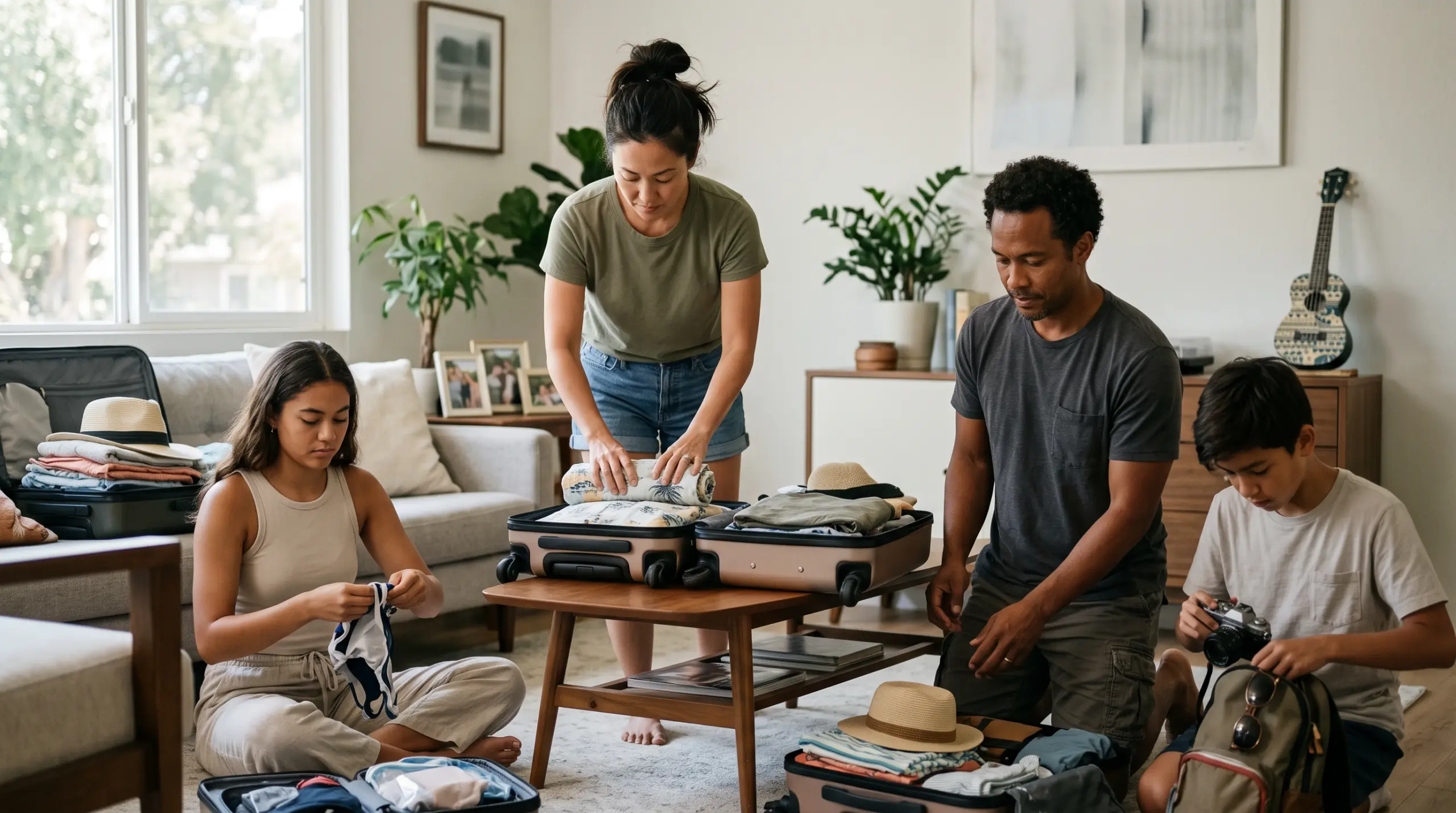
Emergency Packing for Maui is less about bringing everything you own and more about keeping the essentials accessible when plans change quickly. A delayed flight, severe weather, wildfire warning, road closure, or unexpected hotel move can turn a relaxed island trip into a fast-moving situation. The best approach is to pack light, keep critical items together, and stay mobile enough to move without dragging several heavy bags behind you.
This guide explains how to build a compact emergency bag, what belongs in a carry-on, how to prepare for Maui’s weather and terrain, and why flexible transportation matters when every hour counts. You will also find practical light packing Maui ideas, airport-friendly organization tips, and ways to make your trip more adaptable without overspending.
Emergency Packing for Maui: Build One Grab-and-Go Bag
Your first priority should be a small bag that can leave with you immediately. Do not bury essential supplies in a checked suitcase or scatter them across multiple daypacks. A compact backpack or soft-sided personal item is usually easier to carry through an airport, into a vehicle, or along a short evacuation route than a large roller bag.
Pack the essentials before the extras
For emergency travel in Maui, organize the bag around five categories: identification, communication, health, hydration, and basic protection. Keep the most important items in interior or zippered pockets rather than exterior compartments where they can fall out.
- Photo identification, travel confirmations, insurance information, and a small amount of cash
- Prescription medication, necessary medical supplies, glasses, and copies of prescriptions
- Phone, charging cable, power bank, and a small wall adapter
- Refillable water bottle, shelf-stable snacks, and electrolyte packets
- Lightweight long-sleeve shirt, compact rain layer, hat, and spare underwear
- Hand sanitizer, tissues, basic first-aid supplies, sunscreen, and personal hygiene items
- N95 or similar masks if smoke or ash becomes a concern
Hawai‘i Emergency Management Agency guidance specifically recommends a go bag containing food, water, medication, a radio, phone battery, pet supplies when applicable, and N95 masks. It also advises visitors and residents to know at least two routes out of their area during wildfire season. Read the agency’s official wildfire preparedness guidance before traveling to Maui.
Use small, flexible layers
Minimal packing tips for Hawaii work best when every item performs more than one job. Choose quick-drying shirts, neutral colors, comfortable walking shoes, and a lightweight layer that works in air-conditioned buildings, at higher elevations, and during evening weather changes. A thin scarf or buff can provide sun, wind, and smoke protection without taking up much space.
Skip bulky “just in case” clothing. Maui’s climate varies significantly between coastal communities, upland areas, and the summit of Haleakalā. Instead of packing multiple jackets, bring one compressible layer and wear your heaviest shoes during transit. Leave room for flexibility rather than filling every pocket before departure.
Carry-On Packing for Maui When Plans Change
A carry-on should function as your backup plan. If checked baggage is delayed, your hotel changes, or you need to spend several hours away from your accommodation, you should still have the items necessary to stay comfortable and connected. This is the heart of effective carry-on packing Maui travelers can rely on.
Keep your travel documents and technology together
Create a document pouch with your identification, flight details, lodging information, emergency contacts, rental reservation details, and copies of important medical information. Store digital copies securely on your phone, but keep a paper backup in case of low battery, poor reception, or a temporary power outage.
Technology should be simple and practical. A charged phone and power bank are more useful than multiple cameras, tablets, or accessories. Download maps, reservation details, and key phone numbers before leaving home. If you are traveling with family, agree on one primary meeting point and one out-of-area contact in advance.
Ready.gov recommends alternative charging methods for phones during power outages and encourages travelers to create a family communication plan. Its official disaster preparedness resources are useful for building a plan before arriving in Maui.
Make airport screening easier
Place liquids, gels, and aerosols in an accessible clear bag. The Transportation Security Administration’s 3-1-1 rule generally limits carry-on liquids to containers of 3.4 ounces or less, packed in one quart-size clear bag per passenger. Medically necessary liquids can receive different treatment, but they should be presented separately for screening. Review the TSA travel checklist before heading to the airport.
For light packing in Maui, use travel-size toiletries and plan to purchase ordinary items locally if needed. Do not waste valuable bag space carrying full-size shampoo, multiple pairs of sandals, or large beach accessories. A small microfiber towel, compact tote, and reusable bottle are usually enough for most daily needs.
Maui-Specific Emergency Preparation: Alerts, Routes, and Weather
Maui is beautiful, but island travel can be affected by conditions that develop quickly. Wildfires, flash flooding, high surf, strong winds, and road closures may change access between communities. Travelers should not rely only on hotel notifications or social media. Before exploring Maui, sign up for official alerts and understand how emergency messages are issued.
Set up alerts before you need them
Hawai‘i Emergency Management Agency identifies Maui County’s alert and evacuation notification systems through Maui Emergency Management Agency and Genasys. The state’s Hawai‘i emergency alert information explains how to sign up for county notifications and where to find official updates.
Recent Maui County communications show why this matters. On March 21, 2026, MEMA issued evacuation warnings for areas mauka of Honoapi‘ilani Highway in Lahaina because of flood risk, while other parts of Maui remained under warnings or advisories. The county emphasized that warnings and advisories were not the same as mandatory evacuation orders. That distinction is important: read the exact wording, follow official instructions, and avoid assuming that a familiar route is open.
Save the following information offline:
- Your accommodation’s full address and phone number
- The location of the nearest hospital, pharmacy, and fuel station
- Two possible routes away from your lodging
- Your rental company’s phone number and reservation details
- Emergency contacts for everyone in your group
Pack for movement, not just comfort
In an emergency, you may need to walk from a parking area, wait outdoors, or relocate with little notice. Comfortable closed-toe shoes, a compact daypack, water, and sun protection are more valuable than extra outfits. If you plan to visit higher elevations, bring a warmer layer even when coastal Maui feels hot.
Do not enter closed areas or drive through floodwater, smoke, debris, or restricted roads. A flexible itinerary is safer than trying to force a sightseeing plan during hazardous conditions. If authorities issue an evacuation order, leave immediately and follow designated routes.
Why Maui Car Rental Flexibility Matters During Disruptions
Being mobile can simplify ordinary travel, but it becomes especially valuable when schedules change. Public transportation and rideshare availability may vary by location and time. A reliable rental vehicle gives you more control over airport transfers, pharmacy visits, alternate lodging, and route changes—provided you follow official road and evacuation instructions.
Maui car rental flexibility does not mean driving into danger. It means having a practical transportation plan that can adapt when a flight arrives late, a hotel changes, or your group needs to move between areas. Before setting out, check local alerts and confirm that your destination and route are open.
Choose practical transportation for an emergency itinerary
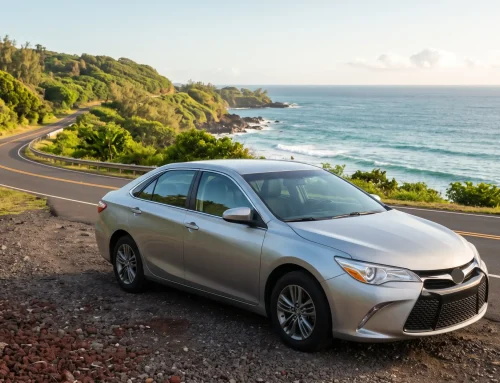
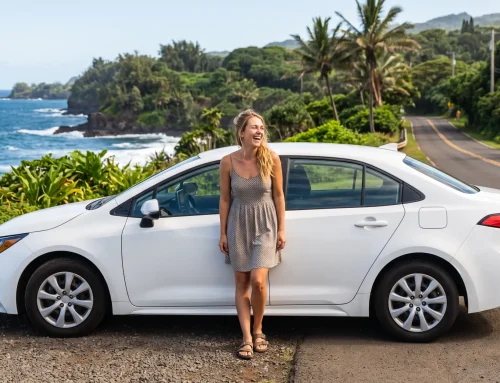
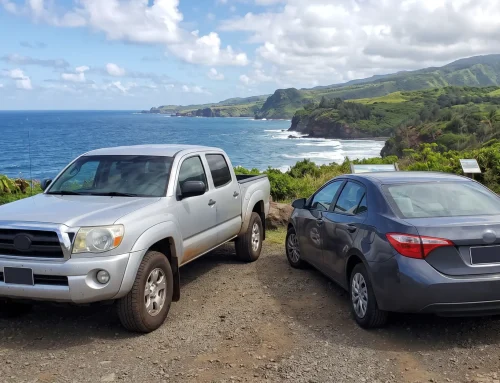
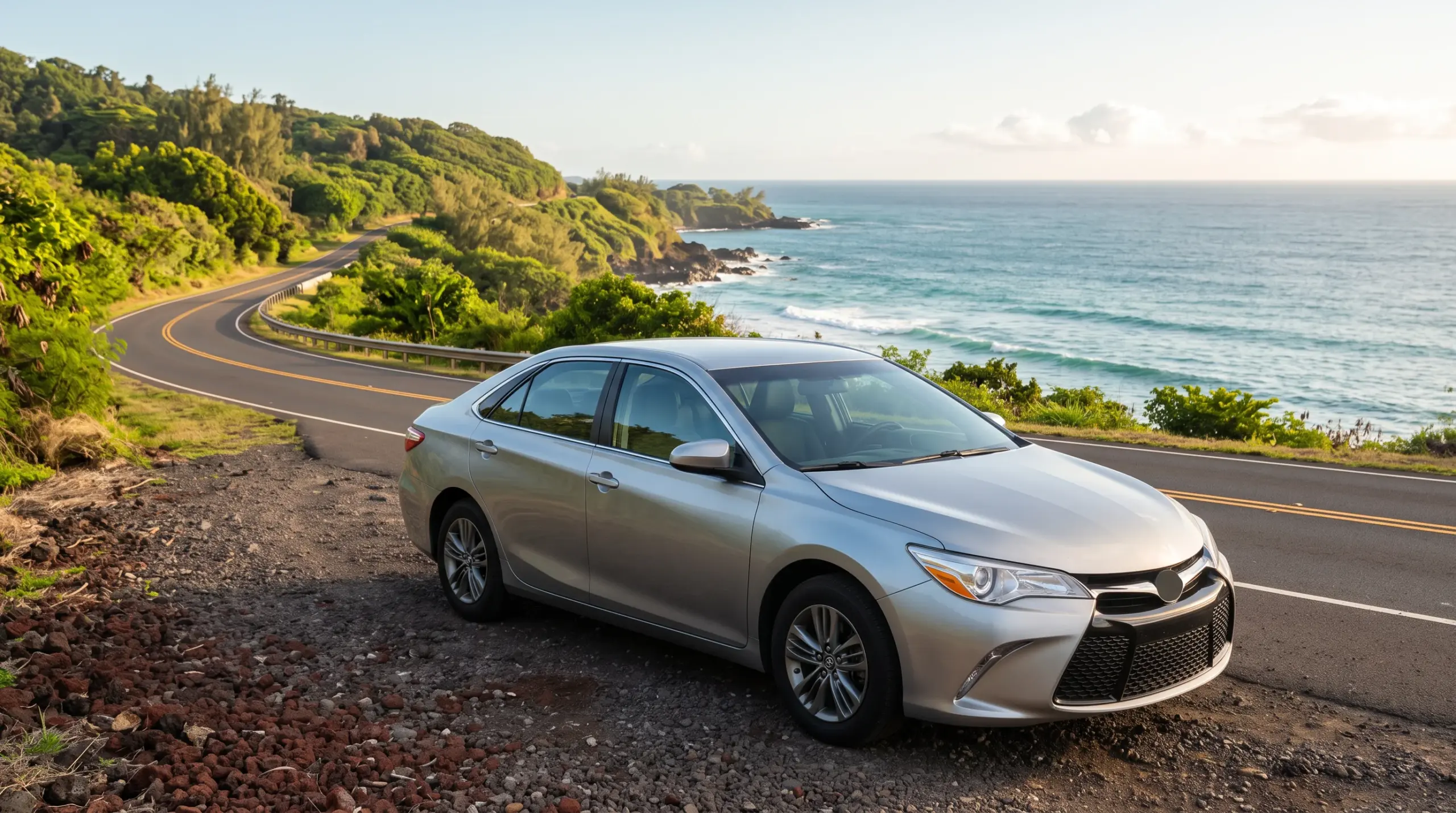
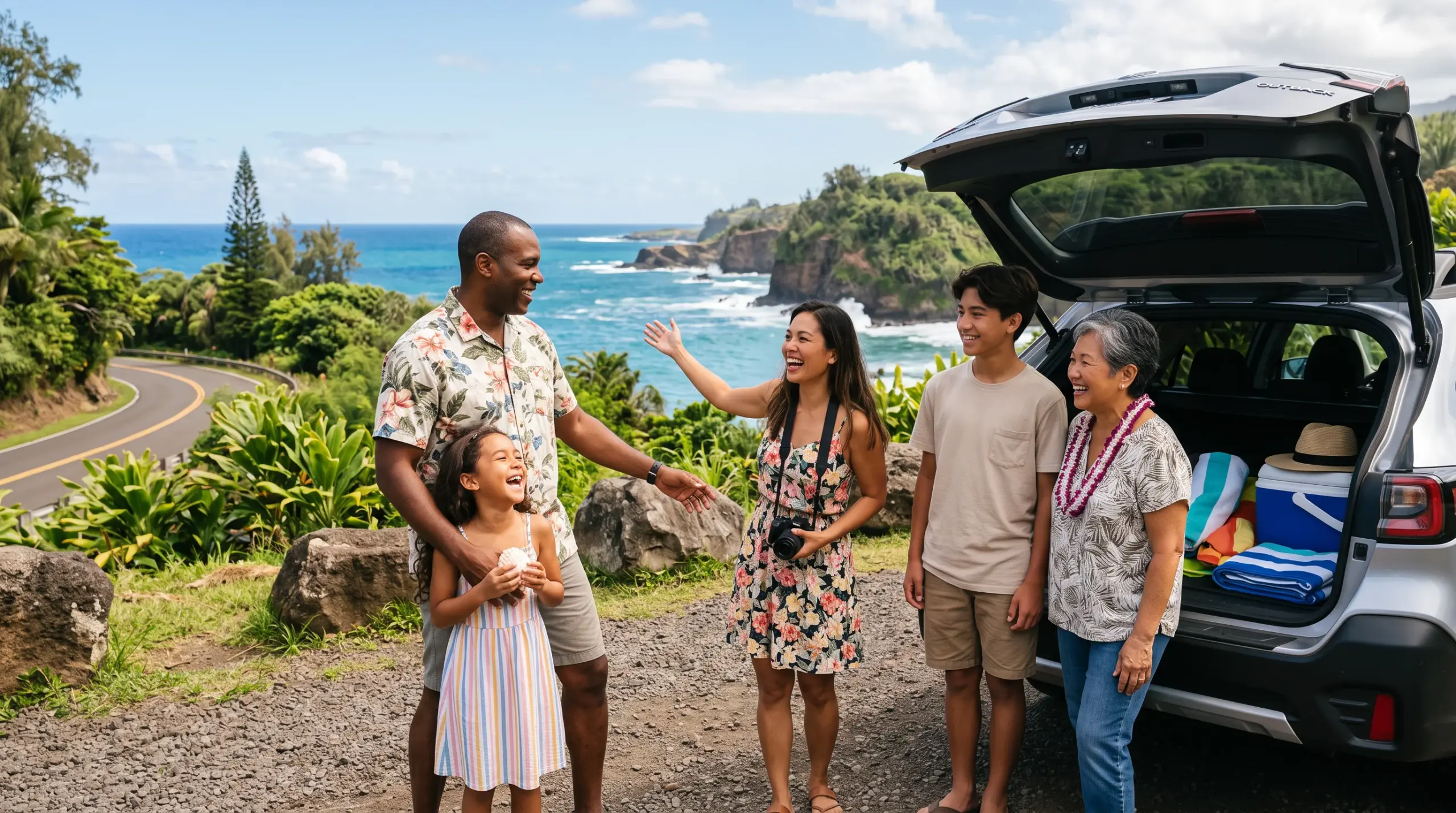
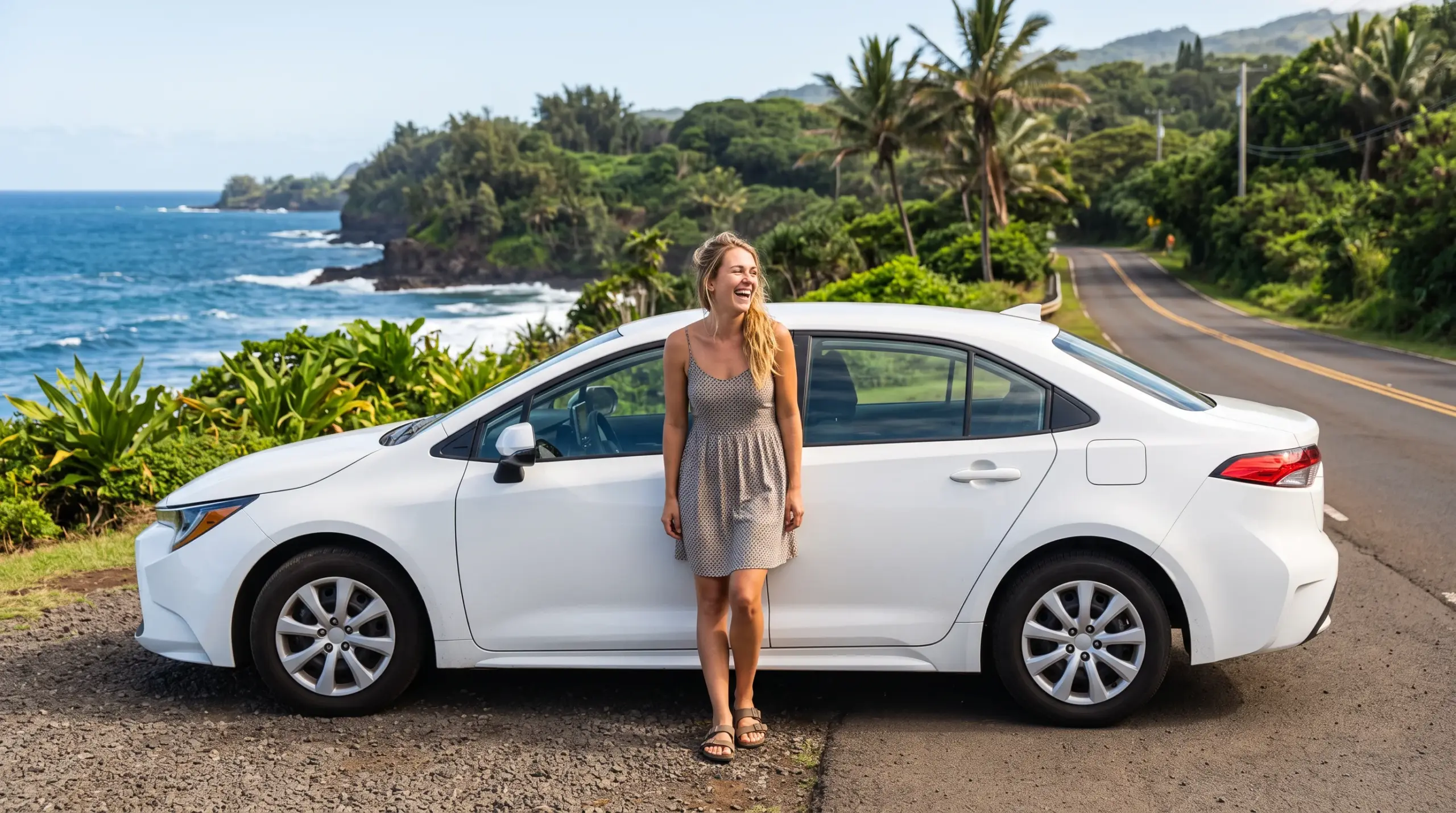
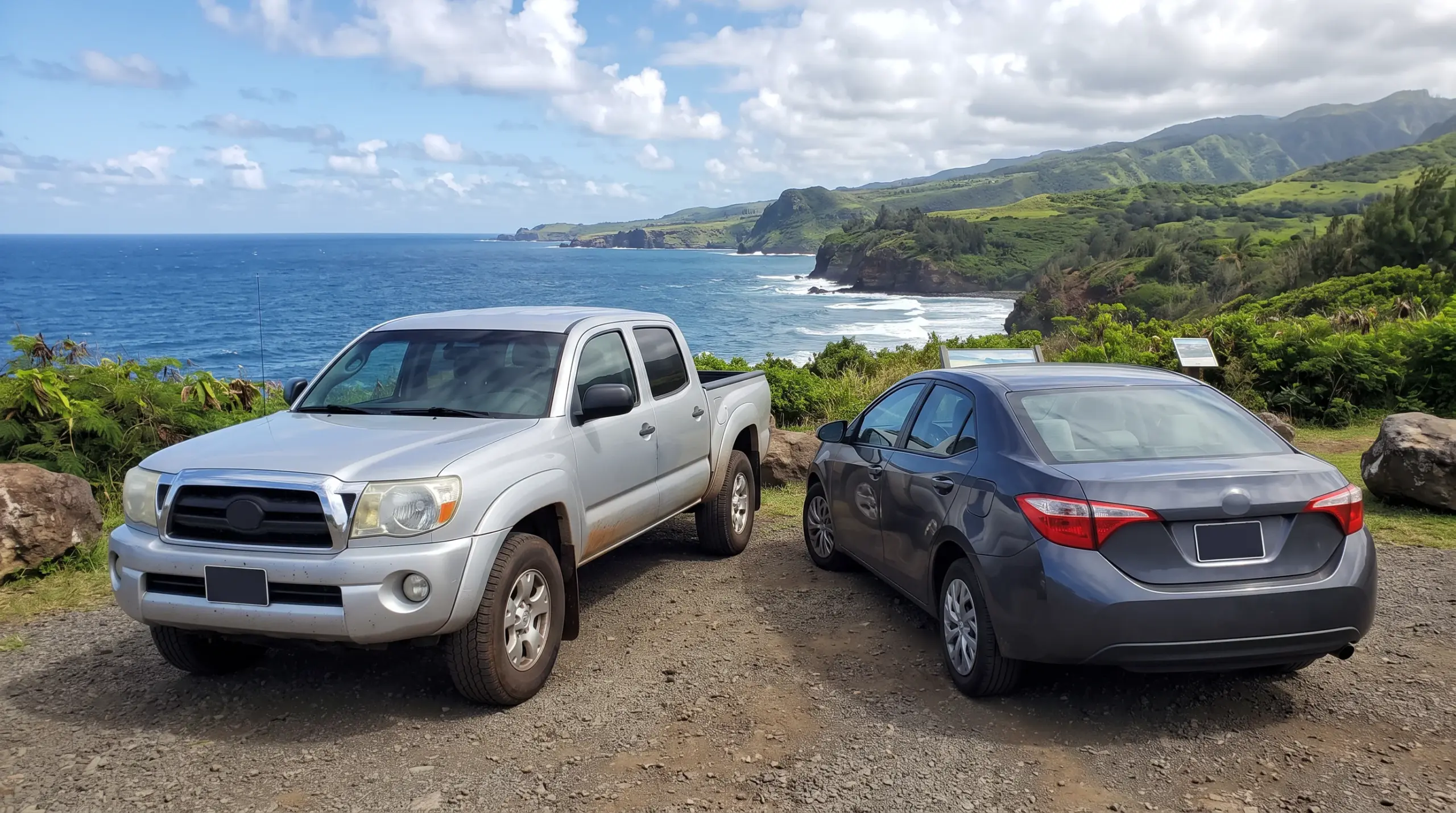
For most travelers, an economical sedan or compact SUV is a better emergency-travel choice than a luxury vehicle, convertible, or oversized specialty vehicle. Toyota Corollas and Camrys are easy to handle, efficient on fuel, and convenient for couples or small groups. A Toyota RAV4 or Honda CR-V offers additional cargo room for a go bag, groceries, medical supplies, or family equipment while remaining practical for everyday Maui driving.
Fuel efficiency matters when fuel stops are inconvenient or when you are making several unplanned trips. It also helps keep the overall cost of your Maui visit under control. A cheap car rental in Maui should provide dependable transportation without forcing you to spend extra on unnecessary features.
Keep your vehicle organized
Place your emergency bag where it can be reached without unloading the trunk. Keep water, documents, medications, and charging equipment in the cabin. Store luggage securely and avoid leaving valuables visible. If you have children, confirm that car seats are installed correctly before beginning a long drive.
At Maui Cruisers, travelers can arrange affordable longer-term rentals by phone or online. The team works directly with customers through phone and text, without automated agents handling the conversation. That personal contact can be useful when an itinerary changes and you need a real person to discuss timing, vehicle availability, or an extension.
Minimal Packing Tips Hawaii Travelers Can Use Immediately
The easiest way to pack light is to create a “must have, useful, replaceable” system. Must-have items include identification, medication, phone, payment methods, and essential documents. Useful items include a rain layer, reusable bottle, and compact first-aid supplies. Replaceable items include basic toiletries, inexpensive beach accessories, and extra casual clothing.
Lay everything out before packing, then remove at least one-third of what you planned to bring. Maui trips rarely require formal clothing for every day. One nicer outfit, two pairs of versatile shoes, and a week of mix-and-match clothing are often enough for a longer stay if you plan to do laundry.
- Wear your bulkiest shoes and travel layers on the flight.
- Roll or fold clothing by outfit instead of packing randomly.
- Use packing cubes or small bags to separate clean clothes, electronics, and emergency items.
- Keep one empty tote for groceries, laundry, or a quick relocation.
- Leave space so you can repack quickly without carefully arranging every item.
- Check alerts and weather before leaving your accommodation each day.
For mobile travel in Maui, the goal is not to prepare for every imaginable event. It is to make the next safe decision easier. A light bag, charged phone, comfortable clothing, official alerts, and dependable transportation give you options without creating unnecessary weight.
Conclusion: Travel Light, Stay Informed, and Keep Moving Safely
Emergency packing for Maui starts with a compact go bag and ends with a flexible plan. Keep your identification, medication, phone, power bank, water, protective layers, and essential documents together. Use carry-on space wisely, follow TSA requirements, and download important information before your flight.
Most importantly, monitor official Maui alerts and respect evacuation instructions, road closures, and weather warnings. When transportation is necessary, an economical Corolla, Camry, CR-V, or RAV4 can provide the space, fuel efficiency, and reliability many travelers need without the cost of a luxury car, Jeep, or convertible.
If your plans require a dependable vehicle for several days, weeks, or longer, contact Maui Cruisers directly. With affordable rental options, online and phone booking, and real-time support through phone and text, the team can help you stay mobile while keeping your Maui travel practical and budget-conscious.