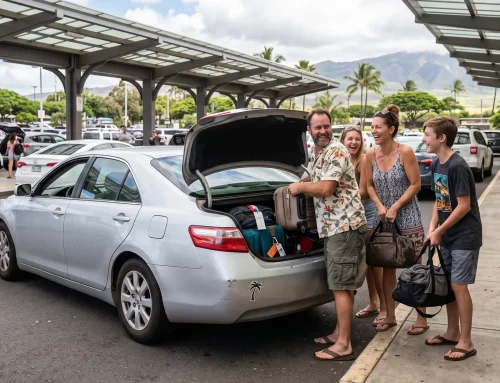
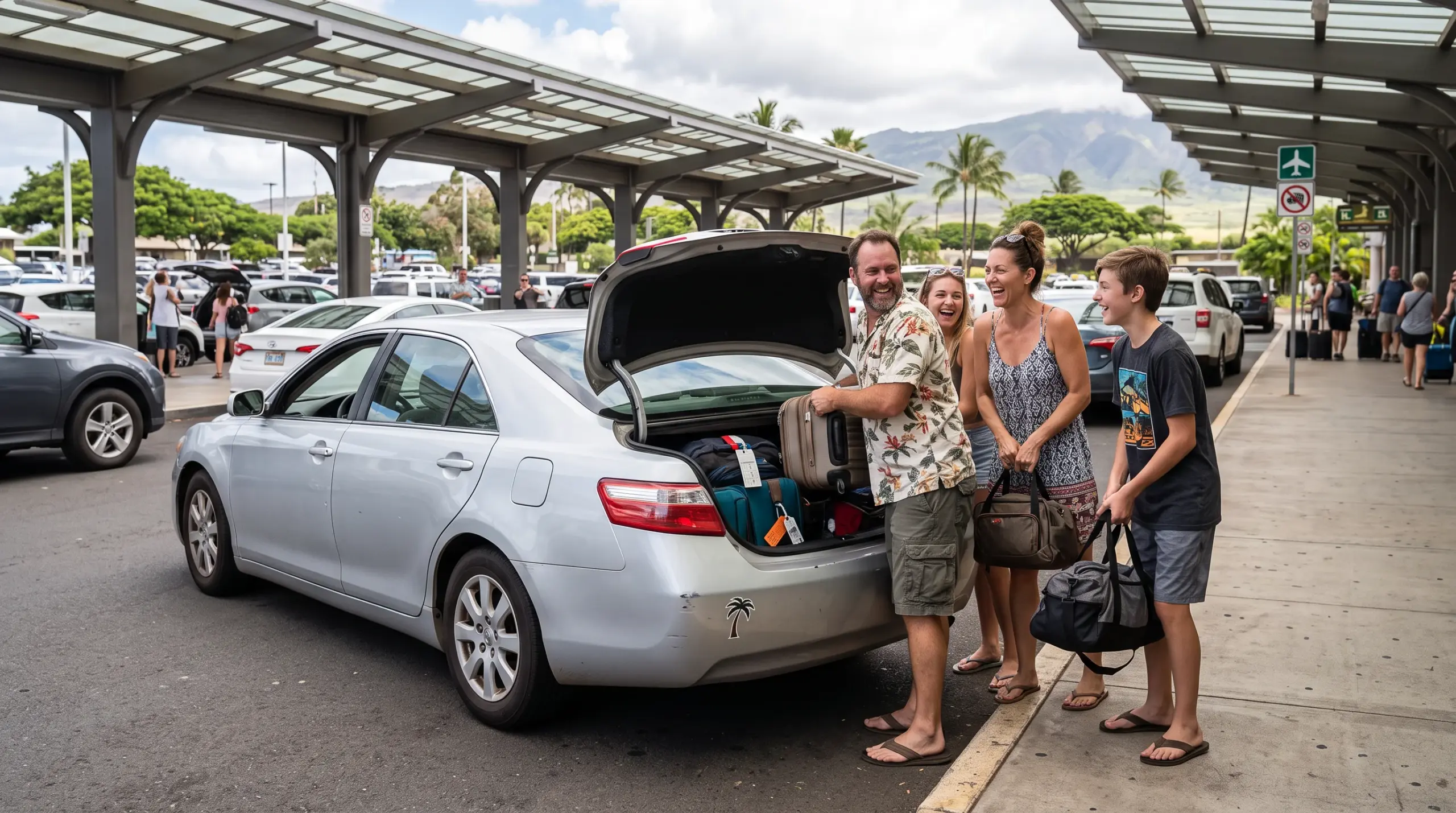
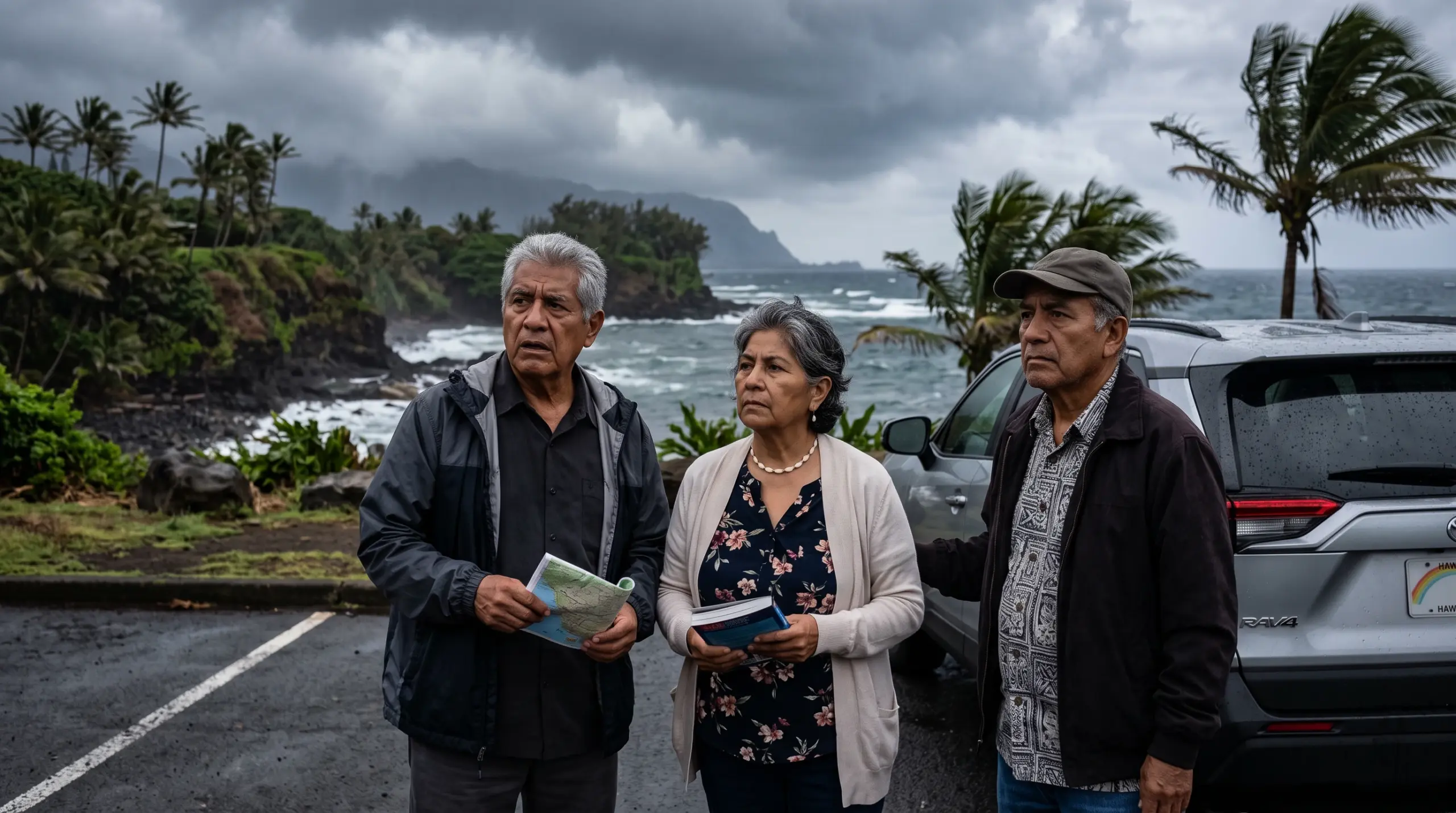
Planning to explore the island by rental car? Understanding Maui driving conditions before you leave the airport can make the difference between a relaxed scenic drive and an unnecessarily stressful day. Maui’s roads range from smooth coastal highways to narrow, winding routes through rainforest, mountain terrain, and remote areas with limited services. Weather can also change quickly: sunshine in Kahului may give way to heavy rain near Hāna or cold, low-visibility conditions at Haleakalā’s summit. This guide explains how Maui weather and roads affect driving, where common hazards appear, how to check for closures, and which Maui rental car tips help visitors travel more safely. Whether you are comparing affordable long-term options or looking for cheap car rentals in Maui for a shorter trip, a little preparation will help you enjoy more of the island with less uncertainty.
Maui Driving Conditions: What Renters Should Expect
Maui is straightforward to explore by car, but it is not a place where every route should be treated like a typical mainland highway. Roads can become narrower, steeper, wetter, and more isolated as you leave the main resort areas. Traffic may be slow near Kahului, airport routes, Lahaina, Kihei, and popular attractions, while rural roads may have long stretches without fuel, restrooms, cell service, or roadside assistance.
Major routes and changing road surfaces
Hāna Highway, also known as Highway 36 and Highway 360, is paved but includes hundreds of curves, one-lane bridges, steep sections, and frequent areas where rainwater crosses the roadway. The road is best treated as a full-day journey rather than a quick trip. Allow extra time, avoid rushing, and use designated pullouts instead of stopping in traffic lanes.
West Maui’s coastal routes can also demand patience. Sections of Honoapiʻilani Highway and Kahekili Highway may include blind curves, falling rock, narrow shoulders, and local traffic. If another driver is traveling slowly, keep a safe following distance rather than attempting an unsafe pass. On scenic roads, local residents may be commuting, making deliveries, or traveling to work—not sightseeing.
Maui County explains that major roads between cities are generally State Highways, roads within Haleakalā National Park are federal park roads, and many other routes are maintained by the County. That matters because closure and construction information may come from different agencies.
Check closures before leaving
For unplanned incidents, review the Maui County road closure notifications before starting a long drive. The County notes that its notifications cover major unplanned closures and hazards, while construction closures and slowdowns are usually not listed. For planned work on State roads, check the Hawaiʻi Department of Transportation’s Maui lane closure and roadwork information.
Do not rely on an older social media post or yesterday’s driving directions. Conditions can change after overnight rain, high surf, landslides, vehicle crashes, or emergency response activity. If a road is closed, respect the barricade and do not assume a rental car can safely get through.
How Maui Weather Affects Roads and Travel Plans
Maui weather is highly localized. The leeward areas around Wailea, Kihei, and parts of West Maui may be sunny while the windward slopes are receiving heavy rain. Elevation makes another major difference. A warm afternoon at sea level can become cold, windy, and foggy within an hour of driving up Haleakalā.
Rain, flash flooding, and standing water
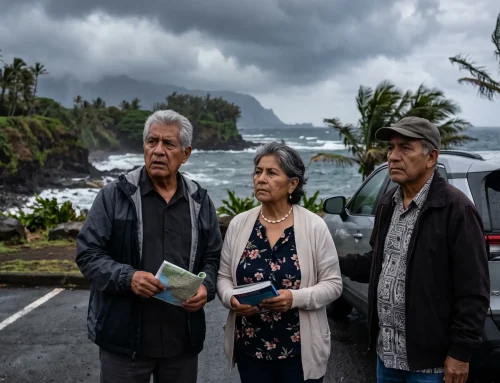
Heavy rain can reduce visibility, create slippery pavement, and cause water to collect in dips, bridges, drainage channels, and low-lying road sections. In August 2026, the National Weather Service issued a Flash Flood Warning for Maui after radar indicated heavy rain over eastern Maui. The warning identified impacts to highways, streets, underpasses, and low-lying areas, and specifically reminded motorists to turn around rather than drive through floodwater.
That advice is essential for safe driving in Maui. Floodwater may be deeper or faster-moving than it appears, and the road beneath it could be damaged or hidden. If rain becomes intense:
- Slow down and increase the distance between vehicles.
- Turn on headlights, even during the day.
- Avoid cruise control on wet roads.
- Never drive around a roadblock or barricade.
- Turn around if water covers the roadway.
- Pull over at a safe, legal location if visibility becomes poor.
Do not confuse a temporary shower with a harmless road condition. On the Hāna Highway, rain can continue uphill or farther along the route even when the road near your hotel is dry.
Wind, surf, and storm-related hazards
High surf primarily affects shorelines, but it can also contribute to hazardous coastal travel. The National Weather Service has warned during recent Maui advisories that large breaking waves and coastal conditions may require people to stay away from affected shorelines and be prepared for road closures. Along exposed coastal routes, watch for spray, debris, reduced visibility, and emergency vehicles.
Wind can be especially challenging on exposed bridges, elevated roads, and Haleakalā’s upper slopes. Keep both hands on the wheel, reduce speed, and be careful when opening doors in strong gusts. If a weather warning is active, consider postponing a remote drive rather than trying to keep a rigid sightseeing schedule.
Road Hazards on Maui’s Most Popular Drives
Every scenic route has its own personality. Knowing the likely hazards helps you choose the right vehicle, timing, and driving pace.
Hāna Highway
The road to Hāna is a beautiful but demanding drive. Expect frequent curves, narrow bridges, wet pavement, cyclists, pedestrians near viewpoints, and vehicles stopping for photographs. Do not stop in a bridge, on a curve, or in front of a driveway. Use marked pullouts and be respectful of private property and residential areas.
Fuel planning is important. Fill the tank before leaving central Maui, bring water and snacks, and download directions in advance because mobile coverage can be inconsistent. If you are continuing toward the Kīpahulu District of Haleakalā National Park, plan even more carefully. The National Park Service states that the last gas station along the Hāna Highway before Hāna is in Pāʻia, and there are no gas stations inside the park.
Haleakalā Summit
Haleakalā’s summit road is paved, but it is steep, winding, and exposed to rapidly changing weather. The National Park Service describes park roads as remote and prone to extreme weather, with temperatures that can range from around 80°F in Kīpahulu to near 30°F at the summit. Fog, rain, strong wind, and low visibility can arrive quickly.
Drive below the posted limit when conditions require it, use headlights in clouds or rain, and do not stop in the roadway for photographs. On the descent, use an appropriate low gear instead of riding the brakes continuously. The NPS also advises drivers to use established pullouts, allow faster traffic to pass at designated areas, and watch for wildlife.
There are no gas stations or electric vehicle charging stations inside Haleakalā National Park. The park advises summit visitors to fuel in Pukalani, while travelers heading toward Kīpahulu should plan fuel stops before entering the remote section of the route. Sunrise visitors should also remember that entry to the Summit District between 3 a.m. and 7 a.m. requires a reservation.
West Maui and coastal roads
West Maui drives can combine ocean views with tight curves, steep drop-offs, and limited shoulders. Kahekili Highway may feel especially intimidating to drivers who are unfamiliar with narrow coastal roads. If conditions are wet, windy, or foggy, choose a more conservative route or postpone the drive. Never let scenic views distract you from traffic, pedestrians, bicyclists, or changing road width.
Maui Rental Car Tips for Safer, Easier Trips
The best rental car is not necessarily the largest or most expensive. Choose a vehicle that you can comfortably control on hills, narrow roads, and tight parking areas. Before leaving the rental location, adjust the seat and mirrors, learn the lights and windshield wipers, and confirm how to use the parking brake and low-gear settings.
Plan around the route, not just the destination
Build flexibility into your itinerary. A route that appears to take two hours may take much longer once you account for traffic, weather, viewpoints, bridge crossings, food stops, and unexpected delays. Start early for popular drives, but check current conditions first—especially if rain, high winds, a flood watch, or a tropical system is nearby.
Keep the fuel tank comfortably full and carry water, sun protection, a light jacket, and rain gear. At higher elevations, temperatures can be dramatically cooler than at your hotel. In remote areas, do not assume the next restroom, restaurant, or fuel station is close.
Respect local driving etiquette
Safe driving in Maui is also considerate driving. Stay within the speed limit, let traffic merge, and avoid blocking driveways or narrow lanes. If several vehicles are behind you on a winding road, use the next legal pullout to let them pass. Do not honk aggressively, pass on blind curves, or use a shoulder that is not designed for travel.
Keep valuables out of sight and lock the vehicle when parked. At beaches, trailheads, and overlooks, take only what you need. Finally, never drive after drinking or while distracted by a phone or camera. The island’s scenery will still be there when you reach a safe place to stop.
Before You Drive: A Simple Maui Safety Checklist
- Check the weather forecast for both your starting point and destination.
- Review Maui County closure alerts and State roadwork updates.
- Confirm fuel, food, water, and restroom stops along the route.
- Download offline maps for rural and windward areas.
- Inspect the rental car for warning lights, tire issues, and visible damage.
- Allow extra time for curves, traffic, rain, and scenic pullouts.
- Change plans if officials issue flood, wind, surf, or severe weather warnings.
This checklist is particularly useful for long-term renters, who may have more time to explore less-visited parts of the island. A dependable, affordable rental from Maui Cruisers can make it easier to keep a vehicle for the full length of your stay instead of trying to fit every destination into a rushed weekend.
Conclusion: Drive Maui With Confidence
Maui weather and roads can change quickly, but preparation makes island driving far more enjoyable. Check official alerts before leaving, choose routes that match your comfort level, fuel up before remote areas, and slow down whenever rain, wind, fog, or unfamiliar road conditions appear. The most important Maui road hazards are often manageable when you give yourself extra time and avoid taking unnecessary risks.
Maui Cruisers helps visitors find practical, affordable rental options for short vacations, extended stays, and long-term travel. If you are comparing cheap car rentals in Maui, contact Maui Cruisers online or by phone to discuss the vehicle that best fits your plans. With the right rental car and a flexible itinerary, you can spend less time worrying about the road and more time enjoying Maui’s beaches, valleys, forests, and mountain views.